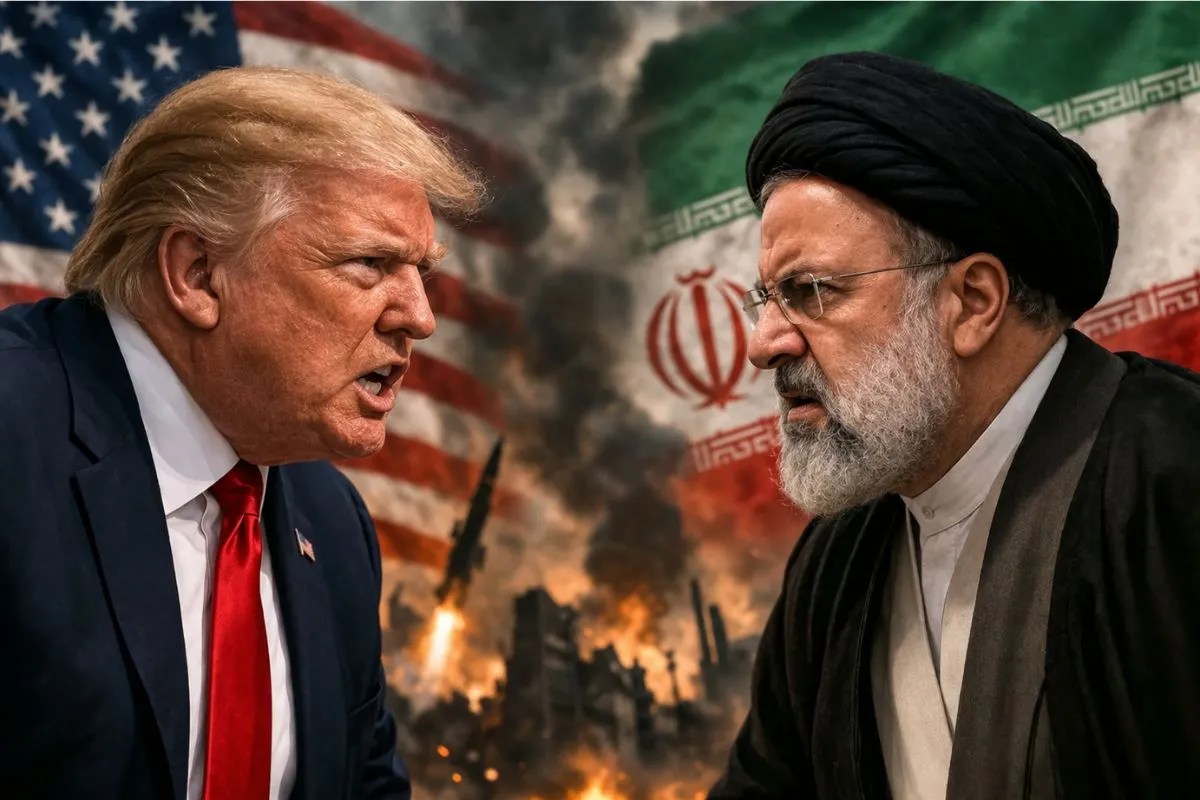
The sea does not care about ultimatums. It does not look up at the gray concrete watchtowers lining the coast, nor does it flinch when men in sterile rooms thousands of miles away sign documents with heavy nibs. Water simply rises, falls, and presses against the steel hulls of supertankers carrying the blood of global commerce.
Yet right now, the water in the Strait of Hormuz feels different. It feels heavy. Meanwhile, you can find other developments here: Electric Bait in the Swamp and the Myth of Easy Extermination.
If you stand on the deck of a liquefied natural gas carrier idling just outside territorial limits, the air tastes thick with salt and burning diesel. The horizon is a hazy smear where the Persian Gulf meets the Gulf of Oman—a thirty-three-mile-wide throat through which a staggering chunk of the planet's petroleum must pass to keep engines turning, lights on, and cities breathing.
For decades, this narrow bottleneck has been a tense theater of shadow games. Today, the curtain has been ripped down. To explore the complete picture, we recommend the recent analysis by USA Today.
The Ultimatum in the Sand
Tehran made its position unambiguous. The directive echoed across state media and reverberated through diplomatic cables with the blunt force of a falling anvil: American and Israeli forces must pack their bags and evacuate the region. The Strait, Iranian officials insist, belongs to the nations that border its shores, not to foreign flags projecting power from horizon to horizon.
To dismiss this as mere rhetorical bluster is to misunderstand the geometry of modern escalation.
When a nation issues an ultimatum of this magnitude while simultaneously ramping up naval drills and missile readiness in the Gulf, it creates a hair-trigger environment. Consider the tanker captains currently navigating these lanes. They are men and women who grew up dodging maritime bureaucracy, not naval blockades. Now, every blip on their radar screen carries an existential question: Is that a routine patrol, or an incoming threat?
The standoff is no longer just about regional dominance. It is about choke points. It is about how easily the global economy can be brought to its knees by closing a single, vital aquatic valve.
The Anatomy of a Choke Point
To understand why the world shivers when tensions spike in Hormuz, look at a map, then look at your gas tank, your electricity bill, and the supply chain of your local grocery store.
Approximately a fifth of the world's petroleum consumption squeezes through this marine corridor every single day. Imagine an hourglass. The top bulb is global demand; the bottom bulb is the sprawling energy grid of the West and East alike. The narrow neck where the sand slips through? That is Hormuz.
If that neck gets plugged—whether by kinetic conflict, drifting naval mines, or the deliberate seizure of commercial vessels—the financial shockwaves hit Tokyo, London, and New York before the first tanker even turns around.
In past decades, this vulnerability was managed through deterrence. Fleets of gray destroyers patrolled the shipping lanes, reassuring insurers and captains that the global superpower had a hand on the wheel. But deterrence is a delicate psychological contract. It works only as long as both sides believe the other is unwilling to cross the ultimate threshold.
That mutual belief is fracturing.
The Human Cost on the Water
Far away from the grand halls of power, the human reality of this crisis plays out in cramped quarters and tense radio rooms.
Meet Chief Engineer Marcus, a veteran mariner with twenty years at sea who is currently guiding a 300-meter crude carrier through the Gulf. He does not care about political grandstanding or the ideological posturing of capitals. He cares about his crew of twenty-four souls, the massive two-stroke diesel engine rumbling deep in the belly of the ship, and the insurance premiums that have skyrocketed overnight.
"We used to look out for pirates or sudden squalls," Marcus writes in a private log entry shared with his union. "Now, we check the VHF radio for distress calls that aren't ours, and we wonder if today is the day the politics catch up to our hull."
His anxiety is shared by millions
The Narrow Waters Where Every Breath Is Borrowed
news
The sea does not care about manifestos. It does not read ultimatums written in the opulent, cool-marble offices of Tehran, nor does it tremble at the gray steel silhouettes of American destroyers slipping through the salt-stung dawn. Water only moves because the moon pulls it, and because the wind tells it where to go. Yet today, a strip of ocean so narrow you can see across it on a clear day has become the tightest, most dangerous choke point on Earth.
Consider the Strait of Hormuz.
On any given Tuesday before the tension hardened into this suffocating glaze, you could stand on the Omani coast and watch supertankers crawl past like lazy, sun-bleached leviathans. They carried the blood of the global economy—millions of barrels of crude oil destined for refineries in Asia, Europe, and the Americas. They moved with a predictable rhythm, a heartbeat measured in freight rates and insurance premiums.
That heartbeat has developed an irregular arrhythmia.
When Iranian military leadership issued their latest sweeping declaration—demanding that American and Israeli forces vacate the region entirely or face consequences—it landed in foreign ministries not as a sudden shock, but as the escalation of a slow-motion collision. Tehran's message was unambiguous, broadcast across state media with the heavy, unyielding gravity of an ancient empire reminding the world of its gatekeeper status: the regional waters belong to the region, and outside flags are targets waiting to be struck.
To understand what that means for the rest of us, imagine living in a house where the only front door is controlled by a landlord who despises you. Every time you want to step outside for groceries or go to work, you have to look down a long, dark hallway to see if he is holding a padlock.
Right now, that padlock is being tested.
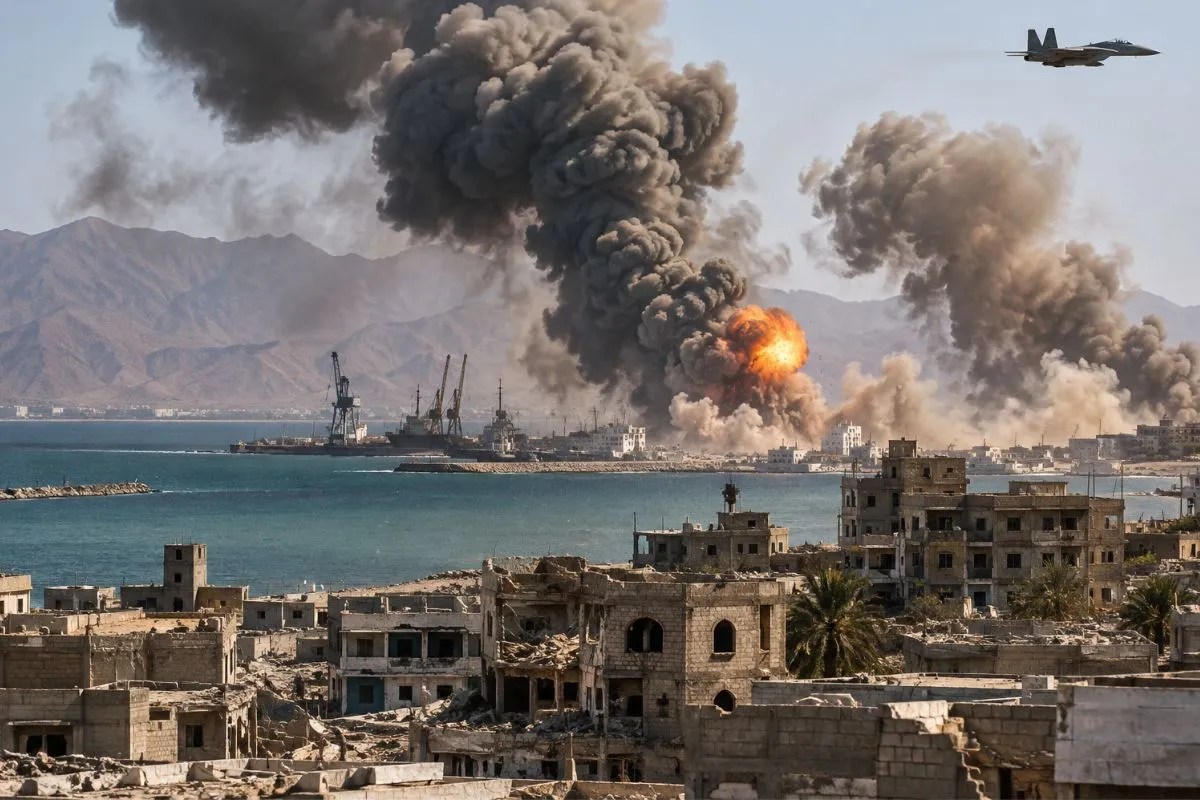
The threat to the Strait of Hormuz is not an abstraction for the fisherman in Bandar Abbas or the navigator standing a midnight watch aboard a liquefied natural gas carrier. It is the sudden prickle of sweat at the back of the neck. It is the quiet hum of radar screens picking up unannounced speedboats cutting across shipping lanes. It is the frantic calculation happening in corporate boardrooms in Tokyo and New York, where risk analysts watch insurance rates spike overnight by margins that can bankrupt a shipping line.
We have been down this road before, of course. History is littered with the rusted hulks of tankers hit during past tanker wars, with the diplomatic cables that promised "maximum pressure" would yield "maximum compliance." But human memory is short, and geopolitical posturing has a way of outliving its own logic. When one side draws a line in the sand and the other side builds a naval base right across it, the space between them vanishes.
The human element gets lost in the shorthand of news tickers. We talk about "oil shocks" and "geopolitical stability" as if they are weather patterns generated by distant gods. They are not. They are choices made by men in uniform and men in suits, while the collateral damage is borne by people who simply want to wake up and afford their morning commute.
When a blockade threat is issued in Hormuz, the ripple effect does not wait for diplomats to finish their tea. It hits the gas pump in a small Midwestern town before the ink on the news alert has even dried. It forces cargo captains to alter routes, burning millions of extra gallons of fuel, adding days to transit times, inflating the cost of everything from plastic toys to agricultural fertilizer.
And yet, out on the water, the silence is deafening.
I spoke once with a retired merchant marine officer who spent forty years navigating these turbulent Gulf lanes. He told me about the eerie quality of the night passage through Hormuz. You pass so close to the Iranian shore that you can smell the dust blowing off the desert hills. On your other side, blinking lazily in the dark, are the anchorages of foreign warships.
"You feel small," he told me, stirring a cup of instant coffee that had gone cold. "Not because the ship is small—the ship is a floating skyscraper of steel. You feel small because you realize how easily a single miscalculation by a nineteen-year-old kid on a patrol boat could turn this entire floating mountain into a fireball. Nobody wants a war. Everybody says it. But everyone is standing so close to the edge that a sneeze could push us over."
That is the reality behind the headlines. It is not just about grand strategies or the chess match between Washington and Tehran. It is about the fragility of systems we take for granted. We have built a globalized civilization that runs on uninterrupted transit through narrow marine corridors, yet we have left those corridors defended by hair-trigger militaries and fueled by mutual grievance.
The Iranian demand for a foreign withdrawal is more than a diplomatic bluff; it is a fundamental challenge to the post-war security architecture of the Middle East. Whether that challenge results in open conflict or merely another agonizing decade of cold-war tension depends entirely on whether those holding the keys can find a way to step back without losing face.
Until then, the tankers keep moving. They slip through the narrow channel at twenty knots, their crews looking out into the dark water, wondering if the next blip on the radar is just another wave, or the beginning of the end.