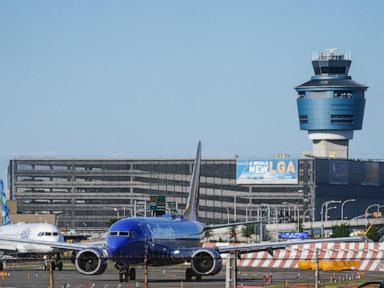
You roll up to JFK or LaGuardia, coffee in hand, only to find the departure boards bleeding red. Thousands of travelers experienced this exact nightmare during the Federal Aviation Administration's nationwide ground stop. Operations across the U.S. Northeast and beyond ground to a complete halt because of critical technical problems. While flights have finally started to resume, the system failure exposed a terrifying truth about modern infrastructure.
We are running twenty-first-century aviation on forty-year-old wiring.
The Anatomy of a Nationwide Meltdown
When the FAA slapped an emergency ground stop on American airspace, it wasn't because of bad weather or a security threat. It happened because telecommunications and data links buckling under routine upgrades couldn't keep planes safe. Contractors trying to swap out ancient copper lines for modern fiber-optics hit a wall. Older routers overloaded with data, radar gaps opened up, and air traffic controllers lost reliable communication lines.
When you can't talk reliably to planes hurtling through the sky at 500 miles per hour, you don't guess. You ground them.
The shutdown stranded hundreds of thousands of passengers, backed up international hubs like JFK, and threw sports leagues and business schedules into utter chaos. And this wasn't an isolated glitch. It echoes similar regional communication failures that choked Northeast airspace earlier in the year.
Why New York Airports Bear the Brunt
New York City air traffic hubs operate on razor-thin margins every single day. When a nationwide ground stop hits, JFK, LaGuardia, and Newark act as massive traffic jams where the congestion takes days to clear out.
An airplane isn't a city bus that simply runs its route and parks. Modern commercial aircraft fly tight, continuous loops: Atlanta to New York, New York to Chicago, Chicago to Miami. Take away four hours of departures in the Northeast, and the knock-on effect destroys schedules nationwide. Planes are out of position. Crews time out. Gate agents face lines of furious people whose connecting flights evaporated.
Transportation officials have admitted that fixing this mess permanently will cost billions and require a total architectural overhaul of how air traffic data moves across the country. Until Congress opens the wallet for a wholesale redesign instead of throwing band-aids at legacy systems, these shutdowns aren't anomalies. They are a preview.
How to Protect Your Travel Plans Now
You can't fix the FAA's infrastructure from seat 14B, but you can stop letting it ruin your trips. Stop booking tight connection windows through major Northeast hubs if you can avoid them. If your itinerary requires flying through JFK or Newark during peak travel seasons, give yourself a massive buffer.
Download your airline's app, turn on push notifications, and monitor flight tracker tools independently before you even leave for the airport. When a ground stop lifts, airlines scramble to shuffle aircraft. Travelers who track incoming tail numbers using live data often rebook themselves through customer service chat lines before the gate agents even look up from the chaos. Keep flexible backup options in mind, stay vigilant, and stop assuming the system behind your ticket is foolproof.