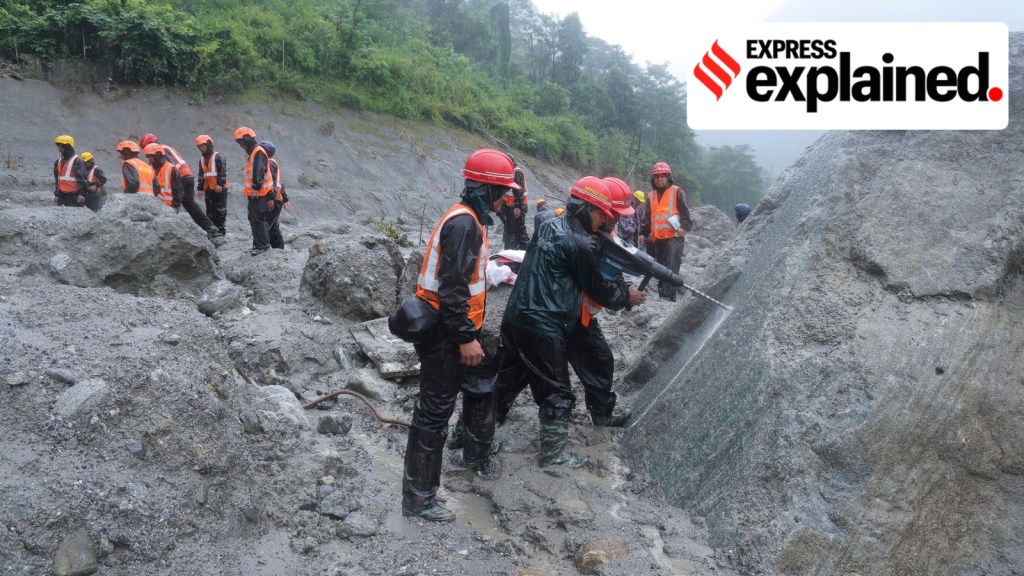
When the monsoon surge breached the riverbanks, sweeping away concrete foundations and leaving neighborhoods reduced to gray silt, a single structure remained upright. Headlines framed it as a miracle. But municipal planners and hydrology experts watching the footage from Kathmandu recognized a different reality long before the floodwaters receded. That lone surviving house was not spared by divine intervention or luck. It was the product of strict adherence to geological zoning laws that the surrounding developments systematically ignored for decades.
Flash floods in the Himalayan foothills rarely arrive as simple acts of nature. They are calculated consequences of unregulated construction, compromised drainage systems, and municipal neglect. While survivors recount the terrifying scramble for rooftops as muddy torrents swallowed their possessions, disaster management analysts are looking at a much darker systemic failure. The water moved with terrifying velocity because urbanization choked every natural spillway available.
The Anatomy of a Himalayan Torrent
Water does not care about property deeds. When relentless seasonal downpours saturate high-altitude soil basins, runoff accelerates down steep gradients with devastating kinetic energy. In the valleys surrounding Kathmandu and popular trekking routes, decades of unchecked land-grabbing have narrowed natural river channels. Stone walls and illegal encroachment narrowed waterways designed to handle massive volume surges.
When the inevitable wall of water arrived, it had nowhere to go laterally. It rose vertically.
Survivors recall hearing a sound like a freight train before the power grid failed. That noise was bedload material—boulders, uprooted timber, and structural debris—grinding against the earth at high speeds. Traditional architectural wisdom in this region once dictated building on elevated stone plinths well above historical flood lines. Modern speculative real estate development traded those safety margins for square footage, paving over ancient floodplains with substandard reinforced concrete that lacks structural flexibility against hydrodynamic pressure.
Why Zoning Laws Fail on the Ground
Nepal possesses comprehensive disaster risk reduction frameworks on paper. National planning commissions regularly publish hazard maps identifying high-risk alluvial fans and erosion zones. Yet enforcement at the local ward level remains porous, vulnerable to political patronage and rapid commercialization.
Property values in urbanizing corridors skyrocketed over the past twenty years. Every square meter of flat land near a water source became prime real estate for migrants moving from rural districts. Local authorities often turned a blind eye to building code violations, issuing permits for multi-story masonry structures in areas explicitly marked as red zones on hydrological surveys.
The single house that stood firm amid the wreckage succeeded because its owner reportedly adhered to older, stricter foundation depths and refused to compromise on retaining wall integrity, despite pressure from neighboring land developers who wanted to fill in the adjacent drainage ditch for a parking lot. That decision cost more upfront. It also saved the structure when the surrounding infrastructure dissolved into slurry.
The Cost of Reactive Relief
Every monsoon season follows a familiar, tragic cadence. Heavy rains trigger localized inundations, emergency services mobilize with rubber rafts, international aid organizations issue appeals, and politicians promise better infrastructure. Once the mud dries, the rebuilding begins in the exact same hazardous locations using the exact same flawed methods.
Insurance penetration among low-income and lower-middle-class families in rural and semi-urban Nepal is virtually nonexistent. When a flash flood sweeps away a home, the occupants lose generational capital overnight. Government relief packages rarely cover more than temporary food rations and a fraction of material replacement costs. This forces survivors into a cycle of debt, compelling them to rebuild on vulnerable plots simply because they cannot afford land elsewhere.
Mitigating future disasters requires a fundamental shift away from post-event humanitarian theater toward aggressive, preemptive relocation policies. Municipalities must enforce buffer zones along every major river system, prohibiting permanent construction within a designated meter threshold of the high-water mark. Retaining walls must be engineered for dynamic load-bearing, not aesthetic appeal. Until local governments prioritize long-term spatial safety over short-term political expediency, every monsoon will bring new footage of devastation, punctuated by the quiet rebuke of the one house built right.