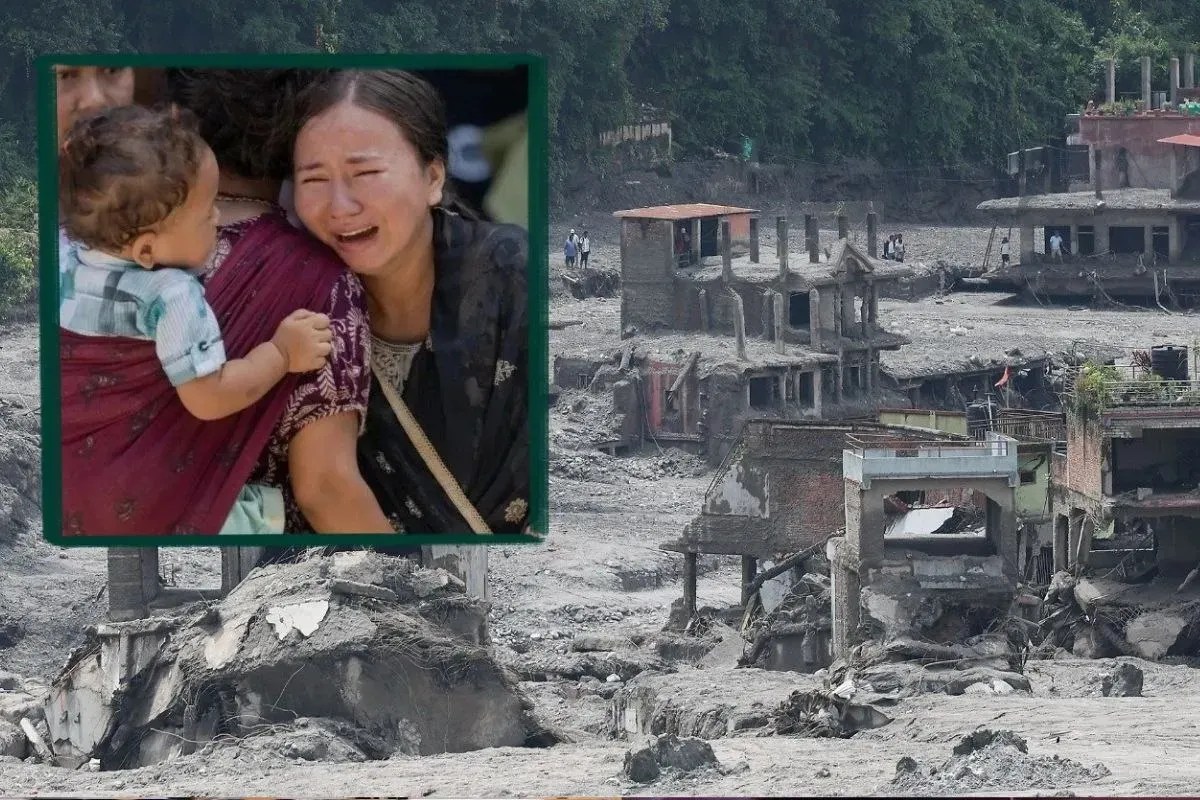
Hope is a heavy thing to carry when the monsoon waters finally recede. Exactly seven days after a catastrophic flood tore through communities in Nepal, the window for finding anyone alive slammed shut. Search and rescue teams packed up their heavy gear. Families stopped watching the riverbanks for signs of life. Silence took over the valleys.
You hear numbers tossed around by international relief agencies, but those figures rarely capture the immediate brutal reality on the ground. When entire neighborhoods vanish under thick layers of gray silt and debris, finding survivors becomes a race against biological limits rather than a logistics problem. After a week without clean water, exposed to open wounds and contaminated mud, the human body simply gives up.
Most people don't realize how quickly disaster response shifts from rescue to recovery. It happens almost overnight. The moment government officials declare the survival threshold crossed, heavy machinery moves in. That equipment clears roads, but it also tears through what remains of collapsed structures where people might still be trapped.
The Logistics of Catastrophe in Mountain Terrain
Nepal's geography makes every natural disaster exponentially worse. Rivers run fast and narrow through steep gorges, gathering momentum and debris until they turn into moving walls of rock and timber. When these flash floods hit, they don't just flood homes; they bury them under meters of rock.
Emergency responders face impossible choices during the first forty-eight hours. Helicopters cannot fly through severe storm weather. Mountain roads wash out entirely, leaving remote villages completely isolated. By the time the first ground crews hike in with basic tools, precious days have already ticked away.
Think about what it takes to clear a single blocked highway when bridges are gone. You are relying on hand tools and small teams because heavy excavators cannot reach the site. This delay kills. It wastes the critical window when people trapped in air pockets might still be breathing.
When Relief Becomes Recovery
We need to talk honestly about the psychological toll on local volunteers. These aren't professional rescue squads flown in from capital cities with specialized training and counseling support. They are neighbors, cousins, and local shopkeepers digging through the wreckage of homes belonging to people they've known their entire lives.
After seven days, the mission changes completely. The focus pivots away from triage and toward corpse retrieval, disease prevention, and survivor shelter. That transition feels cold. To a grieving family standing by a muddy river, halting the search feels like an abandonment.
Local health officials immediately pivot to worrying about waterborne diseases. Stagnant floodwaters mixed with sewage create a breeding ground for cholera and dysentery. If you survive the initial rush of water, the second wave of illness poses an equally lethal threat.
What the International Response Misses
Global media coverage usually follows a predictable arc. A major disaster strikes, cameras roll for three days, dramatic rescue footage plays on a loop, and then the news cycle moves on. Meanwhile, the actual crisis deepens.
International aid pledges sound massive on paper. Millions of dollars get promised by foreign governments. Yet getting that money past red tape and into the hands of local grassroots organizations takes weeks. By then, the emergency rations have run out and people are sleeping under plastic tarps in the autumn chill.
If you want to understand why communities struggle to rebuild, look at the agricultural impact. The floods usually strike right before harvest season. Rivers wash away entire terraced farms, stripping topsoil down to bedrock. Families lose their homes and their food supply in the exact same afternoon. Without crops to sell or eat, rural poverty spikes instantly.
Preparing for the Next Monsoon
防災, or disaster preparedness, cannot just be a buzzword used in donor reports. It has to look like reinforced riverbanks, early warning sirens powered by solar panels, and emergency supplies stored high above the flood line in every mountain village.
Communities that survived past floods often point to simple, low-tech solutions that saved lives. They moved livestock to high ground the moment the rain gauge hit critical levels. They ignored official bureaucratic delays and evacuated early on their own terms.
We have to stop treating these weather events as unpredictable acts of nature that nobody could foresee. Changing climate patterns mean heavier, more erratic rainfall in the Himalayas. The floods will return next year. The only question is whether the infrastructure and the response protocols will catch up before the next wall of water hits the valley floor.