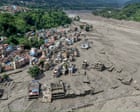
The roar came down the valley like an engine revving, followed instantly by a wall of muddy water and debris. People living along the Bhote Koshi River barely had minutes to react. When a massive flash flood tore through Nepal's northern Rasuwa district and crossed the frontier from Tibet, it completely swallowed homes, roads, and hydropower infrastructure.
Dozens are dead, hundreds remain unaccounted for, and rescue helicopters have been forced to stay grounded due to raging currents. If you are wondering how a disaster of this scale unfolds so quickly in the Himalayas, you have to look closely at the fragile geography and the sudden nature of cross-border water surges.
The Anatomy of a Himalayan Flash Flood
The disaster began around nine in the morning when an enormous surge breached the border from Tibet, slamming directly into vulnerable settlements like Timure and Syapru Besi. Local witnesses described a sound resembling a volcanic eruption before entire market areas and police posts vanished beneath the brown torrent.
Why was the impact so catastrophic?
- The Bhote Koshi River funnels through steep, narrow mountain passes where water levels can rise meters within minutes.
- Vital infrastructure, including the newly rebuilt Friendship Bridge at Rasuwagadhi, was swept away entirely.
- Over four hundred tourists and locals, including a large contingent of travelers from India and other nations, were initially listed as missing as communication lines went dark.
Energy networks took a severe hit too. Nepal's ministry confirmed that roughly 430 megawatts of electricity generation—representing more than twelve percent of the nation's total capacity—went offline as hydroelectric projects were damaged.
What Triggered the Sudden Surge
Pinpointing the exact cause of such disasters in high-altitude border regions is notoriously difficult. While local authorities and satellite tracking pointed toward heavy rainfall on the Tibetan plateau and potential mudslides near the Gyirong port crossing, other officials flagged a possible earthquake-triggered avalanche upstream.
The region is no stranger to sudden tragedies. A similar flash flood on the exact same river system last year wreaked havoc, proving that Himalayan waterways carry a persistent, volatile threat. When glacial lakes drain abruptly or landslides temporarily dam rivers before bursting, the resulting wall of water travels downstream faster than any early warning system can reach remote villages.
The Struggle on the Ground
Rescue operations faced immediate roadblocks. Nepal Army helicopters rushed to the area, but pilots could not land because the water levels remained dangerously high across the valleys. Ground crews from the police and armed forces have been working around the clock, though washed-out roads and ruined bridges mean many isolated hamlets remain completely cut off.
Further down the basin, alarms triggered immediate downstream vigilance. Authorities in India's Bihar state stepped up emergency monitoring along the Gandak and Kosi river systems as the swollen waters traveled south.
If you are tracking travel or family safety in the region, expect verification efforts to take days. Local administration and tourism boards are sifting through fragmented data from travel agencies to confirm the status of stranded pilgrims and foreign nationals. Move away from low-lying riverbanks immediately if you are anywhere near the Trishuli or Bhote Koshi basins, and rely exclusively on official updates from disaster management authorities as rescue teams fight their way into the hardest-hit zones.