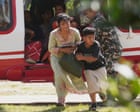
A towering wall of muddy water tore through mountain valleys on Wednesday, changing the Himalayan landscape and leaving a trail of devastation that humanitarian groups are only beginning to comprehend. The International Federation of Red Cross and Red Crescent Societies confirms that at least 93,000 people are in urgent, desperate need of aid following the catastrophic flash floods along the Nepal-Tibet border.
Death tolls are climbing past 500, with thousands of homes obliterated and infrastructure shattered. Behind these stark metrics lies a complex disaster zone where communication lines are dead, roads are gone, and rescuers are racing against time and volatile weather patterns.
The Scale of Destruction on the Ground
When a disaster strikes high-altitude regions, the immediate physical isolation makes the response agonizingly slow. David Fisher, the IFRC head of delegation for Nepal, points out that whole communities remain completely cut off. Bridges have been swept away like matchsticks, over 40 kilometers of vital roads are completely destroyed, and power grids have collapsed.
Survivors describe a terrifying rush of water, rocks, and debris roaring down river valleys with little to no warning. People scrambled up trees or clung to whatever masonry remained standing as a tsunami-like surge buried entire settlements. The human cost is staggering. Hundreds of individuals remain missing, including foreign nationals and local workers tied to hydropower projects situated along the vulnerable river corridors.
Why Reaching the Survivors Is a Nightmare
Logistics dictate survival in mountain crises, and right now, the logistics are broken. Helicopters have had to ground operations periodically due to overflowing lakes and secondary dam-break fears upstream. Cell coverage is down across multiple districts, meaning families have no way of knowing if their loved ones survived the initial torrent.
Local authorities and the Nepal Red Cross are deploying emergency supplies like hygiene kits, blankets, clean drinking water, and food packets. Yet, physical access remains the ultimate bottleneck. Aid workers cannot distribute provisions to valleys they cannot physically enter. UN agencies are airlifting drinking water where possible, but air assets are limited and weather conditions in the Himalayas change by the hour.
The Looming Threat of Secondary Disasters
Disaster management doesn't end when the rain stops. In this region, a receding flood often leaves behind unstable lakes and blocked river channels prone to sudden secondary bursts. Rescuers have had to pause operations multiple times due to rising water levels upstream, keeping everyone on high alert.
The psychological toll compounds the physical misery. Survivors are grappling with acute trauma, sudden homelessness, and the unbearable weight of missing family members. As international pledges roll in—including emergency funding from the European Union—the immediate priority remains clearing blocked routes, stabilizing hazardous lakes, and establishing reliable communication channels with isolated pockets of survivors.
Support local humanitarian networks directly through the International Federation of Red Cross and Red Crescent Societies or UN-backed relief funds to ensure resources reach remote valleys where infrastructure has collapsed.


