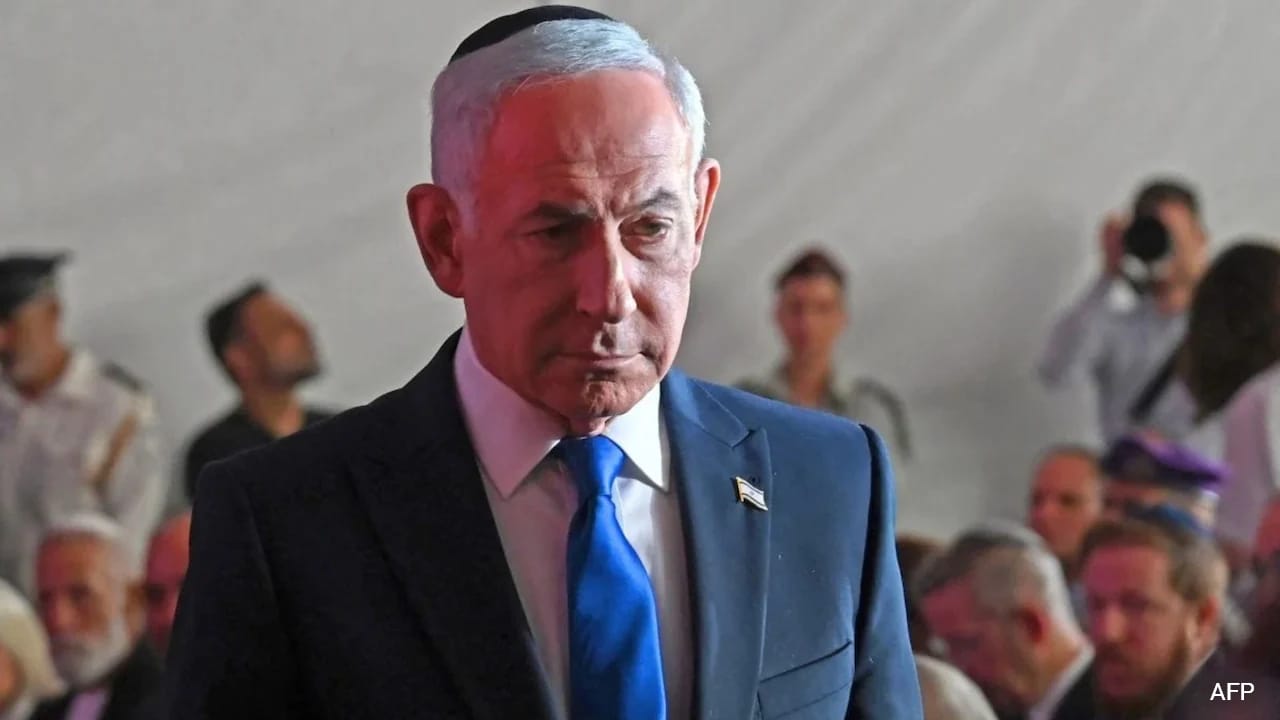
Political theater and battlefield timing rarely line up neatly, especially when an election looms. When reports surface that Israeli Prime Minister Benjamin Netanyahu isn't seeking to attack Iran again right before an Israeli election, it sounds like a sudden dose of restraint. Honestly, it looks more like calculated triage than a change of heart.
Netanyahu has spent months framing his confrontation with Tehran as unfinished business. He has talked openly about toppling the Iranian regime, boasted of earlier military strikes, and warned voters that his rivals can't be trusted with existential security. Yet pulling the trigger on another round of strikes right before citizens head to the ballot box carries massive political and operational risks. A single miscalculation can spin out of control fast.
What The Timing Actually Signals About Netanyahu And Iran
If you look closely at the tug-of-war between campaign politics and military strategy, hesitation before a vote doesn't mean backing down forever. It usually means the cost of escalation right then outweighs the payoff.
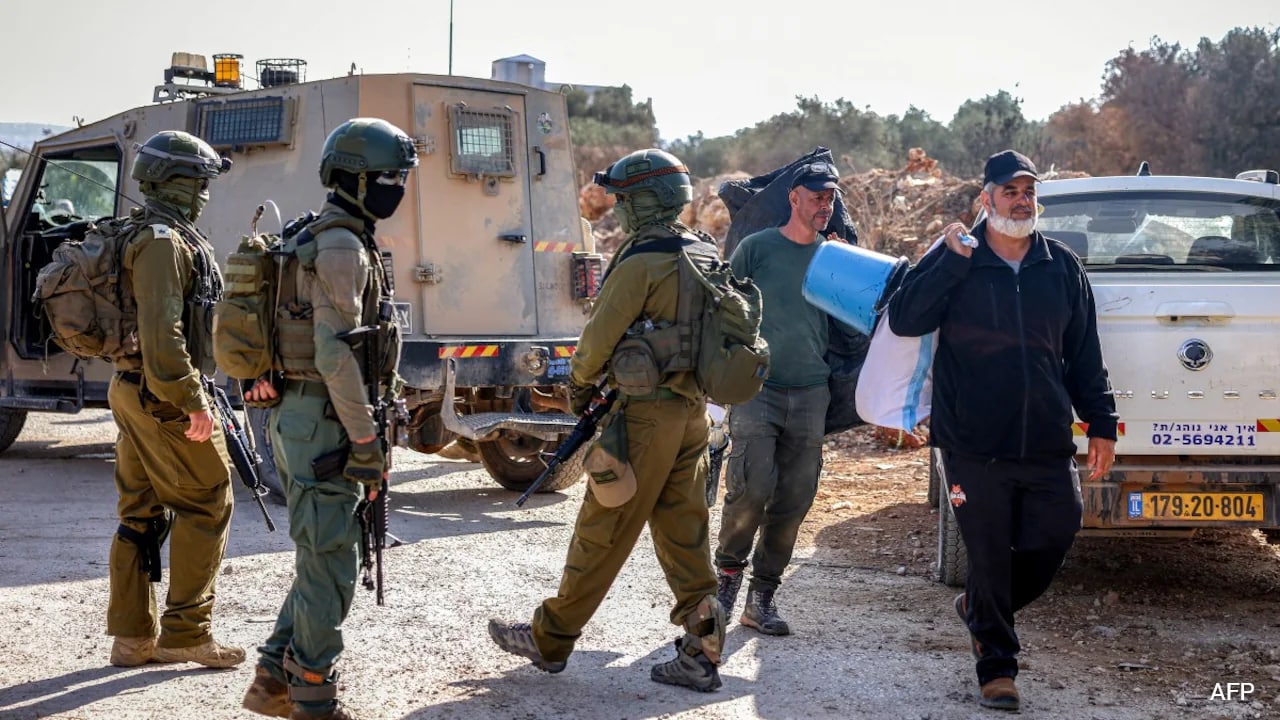
Following the major military escalations involving Israel, the United States, and Iran earlier in the conflict cycle, leaders on all sides have been wrestling with fallout, depleted stockpiles, and fragile diplomatic off-ramps. In late October 2026—around Israel's general election window—reports emerged of sharp friction between Netanyahu and Israel's military leadership over directives that risked sparking a wider conflagration right before voting, alongside pushback or caution from Washington tied to its own electoral calendar.
When an incumbent signals they aren't looking to launch a fresh strike before the election, a few practical realities are usually driving that choice:
- Fear of an uncontrolled spiral: Retaliatory missiles, drone barrages, or maritime disruptions in places like the Strait of Hormuz can hit civilian life and energy markets within hours, turning a planned message into a messy war.
- Friction with top brass and allies: Military chiefs worry about mission readiness and unintended escalation, while Washington weighs domestic political timing, interceptor supplies, and regional exposure.
- Election-eve volatility: Big military moves right before an election can backfire if casualties rise or if voters view the action as partisan brinkmanship rather than sober statecraft.
Notice the contradiction that trips up casual observers. Netanyahu can simultaneously argue that Iran remains a mortal threat requiring a strongman leader while holding off on a fresh attack right before polling day. Those two positions aren't opposites in Israeli politics. They're two gears of the same campaign machine.
Why Voters And Analysts Read Mixed Signals Around The Vote
Watching headlines swing from fiery warnings about Tehran to talk of holding back before an election can give anyone whiplash. I've seen plenty of readers assume that a pause before a vote means the conflict is winding down. That assumption usually misses how election cycles warp rhetoric.
During a tight race, rhetoric gets louder even when operational restraint makes sense. Supporters hear toughness and resolve. Critics—including opposition figures like Gadi Eisenkot who have accused Netanyahu of turning security and the military into political leverage—hear a leader trying to keep voters focused on survival rather than domestic grievances or coalition headaches.
At the same time, analysts in Jerusalem, Washington, and Tehran have pointed out that structural tensions between Israel and Iran don't simply evaporate on election night. Even when talks happen through mediators or when strikes pause for a few weeks, underlying disputes over nuclear capabilities, regional proxies, and shipping lanes keep pressure simmering.
A common mistake people make when following Middle East headlines is treating every tactical pause as a peace signal and every tough speech as an imminent invasion. Neither extreme captures reality well. Real-world deterrence often looks messy, contradictory, and deeply tied to domestic survival on both sides.
What Comes Next After The Ballot Dust Settles
Elections create artificial deadlines, not permanent off-ramps. Once the immediate pre-election window passes, the calculations shift back to military readiness, alliance coordination, and regional pressure points.
If you're trying to make sense of what happens next without getting dragged into rumor cycles, focus on concrete indicators rather than campaign slogans:
- Track official military and defense posture: Watch concrete moves like air-defense deployments, force rotations, and official briefings rather than anonymous rumors alone.
- Watch US-Israel alignment closely: Because American military support, diplomatic cover, and regional bases shape what's feasible, shifts in Washington's posture matter enormously.
- Monitor regional flashpoints: Keep an eye on shipping lanes, Gulf infrastructure, and proxy fronts, where small incidents can quickly alter everyone's timeline.
Pre-election restraint around Iran isn't a guarantee of calm—it's a snapshot of political risk at a specific moment. Read the headlines with a cool head, separate campaign posture from hard facts, and watch what leaders actually do once the votes are counted.
Israel's PM Netanyahu warns Iran may try to disrupt election, says 'don't test us'
This video is relevant because it captures Netanyahu's pre-election warnings regarding Iran and shows the direct political context behind his statements ahead of the vote.