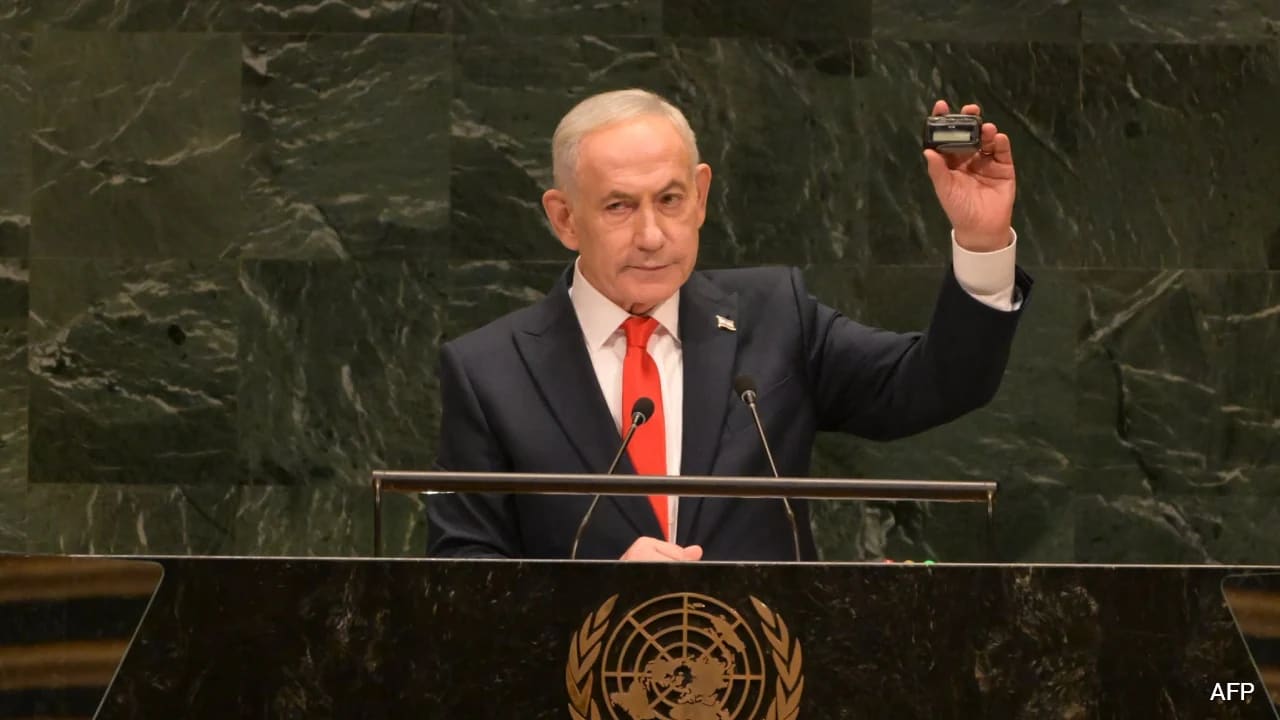
Political theater has always been a staple of the United Nations General Assembly. World leaders arrive in New York with carefully choreographed talking points, hoping to capture the global news cycle and sway international opinion. But few moments in recent memory rival the sheer audacity—and the immediate, bruising backlash—of Prime Minister Benjamin Netanyahu pulling a physical pager out of his pocket on the assembly floor.
It was meant to be a mic-drop moment. Instead, it turned into an exercise in political alienation.
The image of an Israeli leader brandishing a communications device to remind the world of the devastating September 2024 operations against Hezbollah instantly electrified television screens. Yet inside the grand hall, the reception wasn't applause. It was a wave of cold silence, audible jeers, and a mass exodus of diplomats. You cannot manufacture triumph in a room that has already checked out mentally and physically. This stunt exposed the deep chasm separating Israel's hardline security posture from an increasingly hostile international diplomatic corps.
The Symbolism of the Pager Operation
To understand why Netanyahu reached for that prop, you have to look at the psychological core of Israel's military doctrine following the events of October 2024. The covert operation that detonated thousands of pagers across Lebanon remains one of the most astonishing intelligence feats in modern warfare. It crippled Hezbollah's command structure overnight, sowing deep paranoia within the militant network and reshaping the balance of power across the northern border.
For Netanyahu, holding up that small piece of plastic and circuitry was a physical manifestation of deterrence. He wanted to project absolute technological dominance. He wanted to remind regional adversaries that Israel's reach is untethered by traditional geographic boundaries. When he asked the assembly if they remembered the beepers—noting that Hezbollah certainly did—he was speaking directly to Tehran and its proxies.
In a vacuum, it is a masterclass in psychological warfare. But the United Nations General Assembly is not a military briefing room. It is a diplomatic theater built on consensus, polite fictions, and delicate multilateral compromises. Bringing a tactical weapon of psychological terror into the heart of global diplomacy signaled a complete abandonment of traditional persuasion. He wasn't trying to convince the delegates sitting in front of him. He was playing entirely to his domestic political base back home, where a fierce electoral landscape demands visible displays of unyielding strength.
When the Room Empties Out
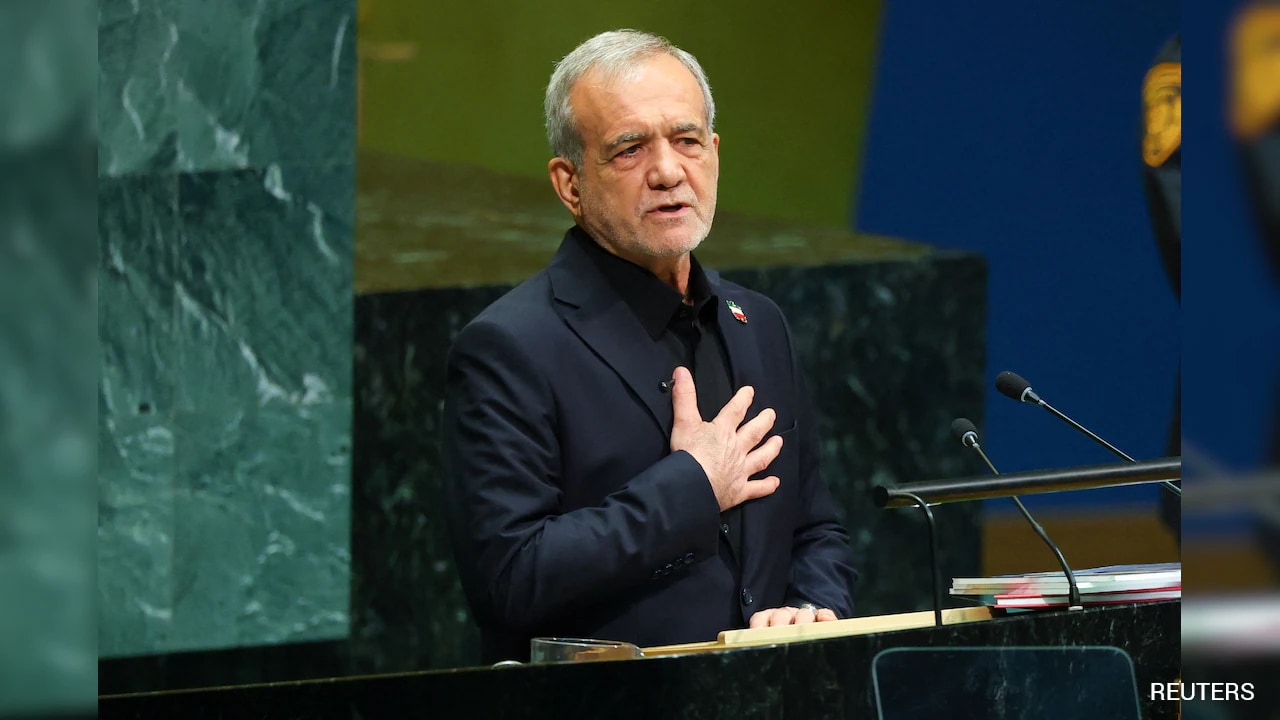
Diplomats are masters of quiet disdain. They sit through hours of fiery rhetoric, scrolling through phones or whispering behind hands. But Netanyahu's speech pushed them past quiet resistance into active protest. As he took the podium, a steady stream of delegates began packing their briefcases and walking toward the exits.
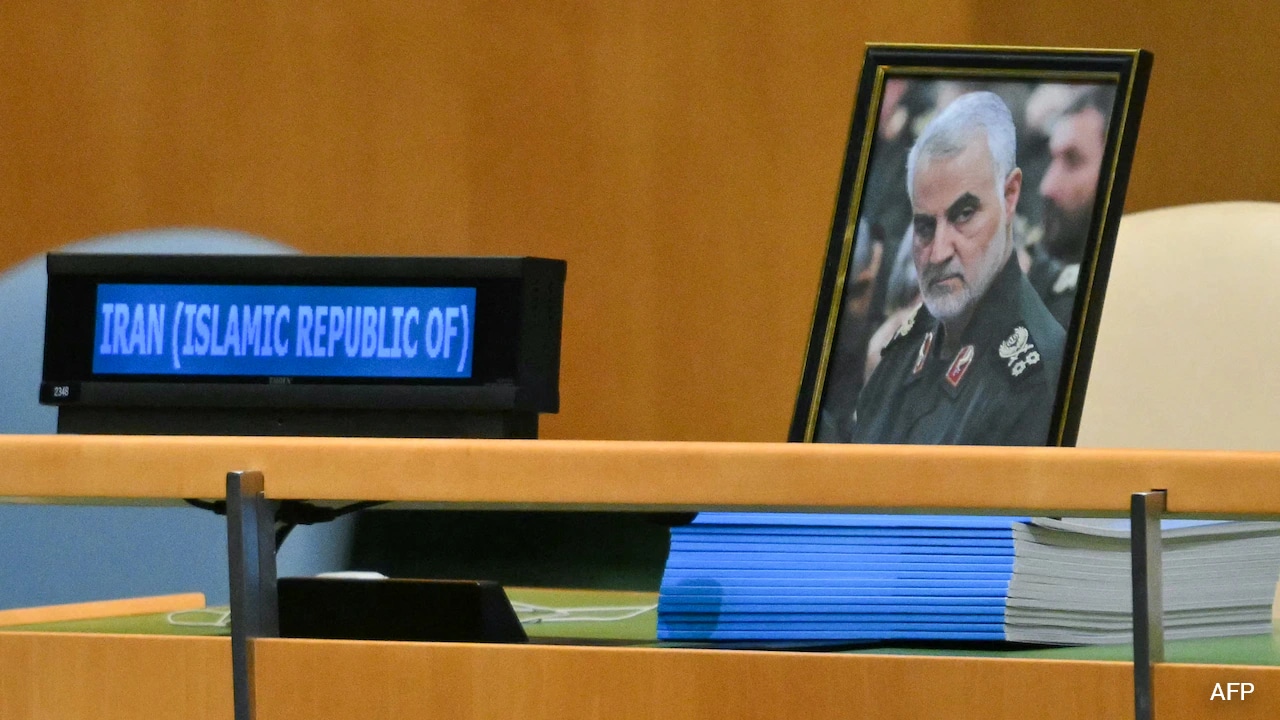
The mass walkout wasn't just a spontaneous expression of anger. It was a coordinated signal. Western European representatives, Arab state delegates, and representatives from various global south nations chose to leave rather than listen to a defense of military campaigns that have left Gaza and parts of Lebanon in ruins. Those who stayed behind didn't offer cheers. They sat in tense, stony quiet, waiting for the performance to end.
By the time Netanyahu criticized the leaders remaining in the hall for what he termed a cowardly descent into moral compromise, the room was visibly depleted. It is hard to project global authority when half your audience is walking up the aisles. The pager was supposed to command the room's respect. Instead, it served as a convenient excuse for hostile diplomats to stage a mass rejection of his entire geopolitical thesis.
Taking on the Critics and Local Figures
The fallout wasn't confined to foreign ambassadors. Netanyahu used his platform to settle scores closer to home, launching verbal broadsides against international critics, legal bodies, and even local American politicians. His sharp rebuke of New York figures who questioned his legitimacy highlights how personal these international disputes have become.
He dismissed allegations of genocide as the biggest lie of the century, pointing to humanitarian aid figures and polio vaccination drives as proof of Israel's adherence to military ethics. Yet, repeating these talking points to an audience that has already rejected the premise accomplishes very little. When you tell a room full of global skeptics that they are either morally blind or actively aiding terrorism, they don't lean in to listen closer. They close ranks.
The speech also underscored a growing frustration within Israeli political circles regarding Western pressure. Netanyahu's warning that bowing to international pressure equals national suicide resonates powerfully with citizens living under constant threat of rocket fire. Translated to the floor of Turtle Bay, however, it sounded less like a statesman seeking partnership and more like an isolated combatant daring the world to condemn him.
The Broader Realities of Modern Diplomacy
Props in politics rarely survive contact with reality. A pager on a podium cannot paper over the staggering civilian death toll, the unresolved refugee crises, or the total lack of a viable postwar governance plan for Gaza. While the tactical success of dismantling militant arsenals is undeniable, tactical victories do not automatically translate into strategic stability.
What happened at the United Nations demonstrated the limits of shock value in international relations. You can stun an audience with clever props and provocative historical callbacks, but you cannot legislate away the deep political isolation that comes with a protracted multi-front war. Netanyahu wanted a moment of cinematic defiance. He got the headlines he wanted, but he also cemented the reality that Israel stands increasingly alone in multilateral forums.
The pager will go down in history as a brilliant stroke of cyber-intelligence. But holding it up in New York proved that some weapons are better left in the shadows. Once you bring them out into the light of international diplomacy, they stop looking like tools of defense and start looking like symbols of an endless, unyielding cycle of conflict.