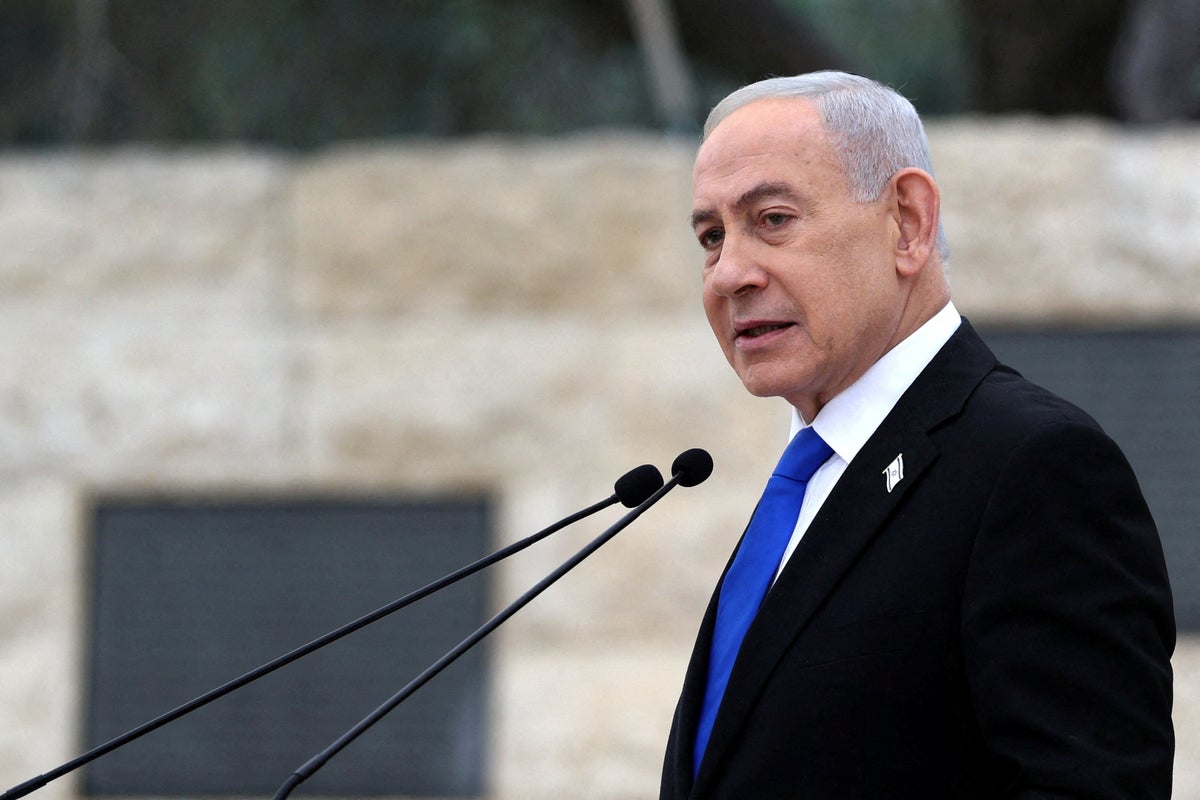
Benjamin Netanyahu isn't just angry. He's litigious. The Israeli Prime Minister just announced his government will sue The New York Times over a bombshell op-ed that alleges systemic sexual violence against Palestinian prisoners. It's a high-stakes legal gamble that pits the sovereignty of a state against the editorial freedom of one of the world's most powerful media institutions.
The article at the center of this firestorm was penned by veteran columnist Nicholas Kristof. Titled "The Silence That Meets the Rape of Palestinians," it details harrowing accounts from 14 individuals. They describe a grim reality inside Israeli detention centers: sexual assault, forced nudity, and even claims of dogs being used to abuse detainees. Netanyahu calls it a "blood libel." The Times says it's documented journalism.
The Case Against The New York Times
Israel's legal team is focusing on defamation. Netanyahu and Foreign Minister Gideon Sa’ar argue the piece isn't just biased—it's a calculated lie. They claim the timing was intentional, designed to overshadow an Israeli report regarding Hamas's use of sexual violence during the October 7 attacks.
Netanyahu’s stance is that the article creates a "false symmetry" between the actions of a democratic state’s military and those of a terrorist organization. By suing, Israel wants to send a message that it won't let its international reputation be dismantled by what it calls "distorted narratives."
But there’s a massive hurdle. In the United States, the "Sullivan standard" makes it incredibly difficult for public figures—let alone foreign governments—to win a defamation suit. You have to prove "actual malice." That means showing the Times knew the info was false or acted with reckless disregard for the truth. Given the Times claims they spent months fact-checking and cross-referencing with human rights groups like B’Tselem, that’s a steep mountain to climb.
Inside the Allegations
Kristof’s column didn't just pull these stories out of thin air. He interviewed men and women who claim they were targeted by soldiers, settlers, and Shin Bet interrogators.
Some of the specific claims include:
- Detainees being regularly stripped and groped.
- The use of objects for forced penetration.
- Accounts of guards mounting prisoners or using trained animals for abuse.
Critics of the report, including the Israeli Foreign Ministry, point out that many sources used are linked to organizations they consider biased or even affiliated with Hamas. They cite Ramy Abdu, founder of Euro-Med Human Rights Monitor, who has been linked by Israel to Hamas operatives. For Netanyahu, this isn't journalism; it's a "well-orchestrated anti-Israel campaign."
Can a Country Actually Sue a Newspaper
This is where things get weird. Can a state even be defamed? Historically, governments don't have the same rights as individuals when it comes to libel. Usually, libel is about personal reputation—how people treat you in your community. A government is a political entity.
Legal experts are skeptical. David A. Logan, a media law expert, noted that U.S. courts rarely countenance such cases. If the lawsuit is filed in Israel, the outcome might be different, but enforcing a judgment against a New York-based company would be a jurisdictional nightmare.
Netanyahu has flirted with this idea before. Last year, he mentioned looking into whether a country could sue the Times. Now, he’s pulling the trigger. It’s a move that feels less like a search for a legal victory and more like a battle for the "court of public opinion."
The Sde Teiman Connection
You can't talk about this without mentioning Sde Teiman. In 2025, five IDF reservists were indicted for sexually abusing a Palestinian prisoner at this specific facility. The incident was caught on video.
That case is the "elephant in the room." While the Israeli government argues that Kristof's claims of systemic abuse are false, the Sde Teiman indictments prove that individual instances have happened and been documented by Israel's own military police. The debate now is whether these are "isolated incidents" or part of a broader, state-sanctioned culture of abuse.
Why This Matters for You
This isn't just a spat between a politician and a paper. It's about how we verify truth in a war zone where access is limited. If the lawsuit goes forward, it could force a discovery process. That means internal emails, source notes, and raw testimony could become public record.
For the New York Times, their credibility is on the line. They’ve stood by the reporting, with spokesperson Danielle Rhoades Ha calling the lawsuit a "political playbook" to stifle independent journalism.
For Netanyahu, it's about the survival of Israel's moral standing. He knows that allegations of sexual violence are some of the most damaging claims a modern military can face.
What Happens Next
If you’re following this, watch where the suit is filed. If it’s in a U.S. court, expect a quick dismissal based on First Amendment protections. If it’s in Israel, prepare for a long, drawn-out legal drama that will likely involve heated debates over the definition of a "blood libel."
Don't expect the New York Times to back down or issue a retraction anytime soon. They’ve doubled down on their fact-checking process. Meanwhile, human rights groups are likely to use the spotlight to push for more independent inspections of Israeli detention facilities.
Keep an eye on the "independent Israeli report" regarding Hamas that the Foreign Ministry mentioned. The timing of its release will tell you a lot about the PR strategy behind this lawsuit. If you're looking for the truth, it's probably buried somewhere between the graphic testimonies and the official denials.