An Ebola outbreak is quietly slipping out of control in central Africa, and the standard medical playbook is completely useless right now. On Sunday, World Health Organization Director-General Tedros Adhanom Ghebreyesus took the rare step of declaring a Public Health Emergency of International Concern before even assembling his emergency committee. By Tuesday, addressing the World Health Assembly in Geneva, Tedros admitted he's deeply concerned about the scale and speed of the epidemic.
He isn't overreacting. The numbers are jumping fast. Health officials have already flagged more than 513 suspected cases and 131 deaths. What makes this surge deeply troubling isn't just the speed. It's the specific monster we're fighting.
This isn't the Ebola we think we know.
The Bundibugyo Strain Means No Vaccines
Most people assume we solved the Ebola problem years ago with the Ervebo vaccine. That's a dangerous misconception. Ervebo only targets the Zaire strain, which caused the massive West African devastation a decade ago.
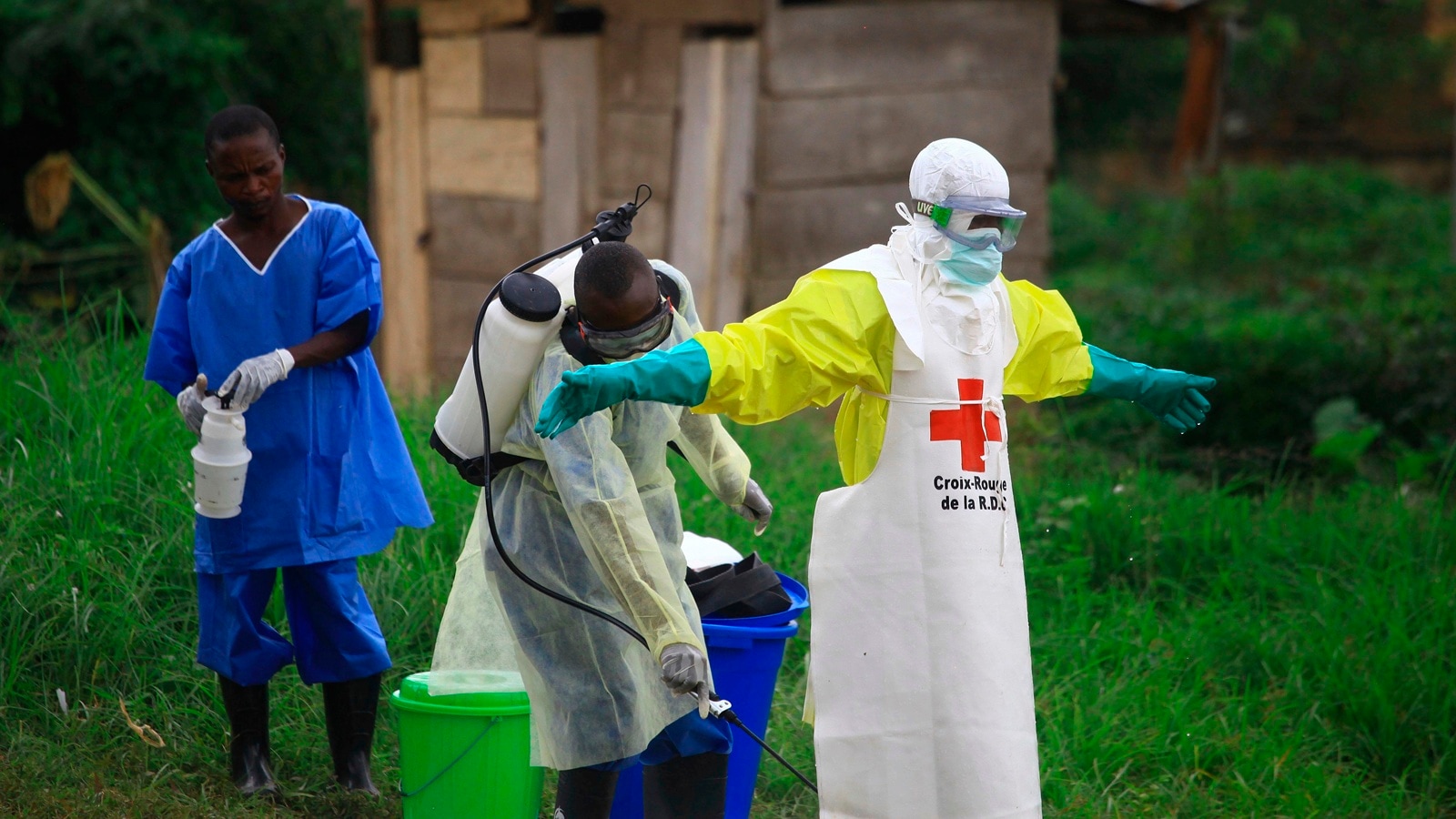
This current outbreak is driven by the Bundibugyo virus disease, a rare and elusive variant. Right now, there are zero approved vaccines or therapeutic treatments for Bundibugyo. If you catch it, doctors can only offer supportive care like hydration and symptom management. The historical mortality rate for this strain hovers between 30% and 50%.
To make matters worse, the virus spread undetected for weeks. Because initial tests for the common Zaire strain came back negative, local health workers didn't trigger alarms immediately. Patient zero remains completely unknown. By the time anyone realized what was happening, the virus had already established a massive head start.
Why Isolation Is Proving Impossible
Contained outbreaks in remote villages are manageable. Urban outbreaks are a different beast entirely. We're now seeing confirmed infections in major cities with massive, mobile populations.
- Kampala: Uganda's capital has already confirmed two cases, including one death from individuals traveling from the Democratic Republic of the Congo.
- Goma: This massive Congolese hub is home to over a million people, making contact tracing a logistical nightmare.
- Bunia: The capital of the DRC's Ituri province is seeing a concentrated cluster of confirmed cases.
The geography of this outbreak is a nightmare for epidemiologists. Ituri province is a gold-mining hub. Thousands of informal miners regularly cross borders, moving fluidly between the DRC, Uganda, and South Sudan. Tracking every single person who might have touched an infected surface or individual in these crowded transit zones is practically impossible.
Even the West isn't entirely isolated from the threat. A U.S. citizen tested positive in the region and was medically evacuated to Germany for treatment. The virus travels at the speed of a jet engine.
War and Cultural Walls Are Hampering Response Teams
Medical teams aren't just fighting a virus. They're fighting a civil war. The epicenter in Ituri province is plagued by violent conflict between local militias. Just over the past two months, fighting has escalated dramatically, displacing more than 100,000 civilians.
In North Kivu, the city of Goma is currently under the control of the M23 armed group. Front lines split the region. Humanitarian workers can't easily cross these combat lines to track contacts or set up isolation tents. When people flee violence, they carry the virus with them into crowded, unsanitary displacement camps where social distancing doesn't exist.
Then there's the human element. Congolese Health Minister Samuel Roger Kamba noted that early alerts failed to circulate because many locals believed the deaths were caused by mystical or spiritual illnesses. Instead of heading to hospitals, the sick stayed home or sought traditional healers, inadvertently exposing their families and neighbors.
Furthermore, healthcare workers are dying. When nurses and doctors contract the virus, it means the transmission is happening inside medical facilities. This terrifies the public, destroys trust in hospitals, and drives infected people deeper into hiding.
What Needs to Happen Now
We can't wait for a custom vaccine to save the day. Developing and deploying a new shot takes months at best, and health officials estimate it would take at least two months just to get experimental trial candidates on the ground.
Controlling this crisis requires immediate, aggressive boots-on-the-ground public health measures.
Affected governments must immediately stand up emergency operation centers and deploy rapid-response testing units directly to mining hubs and transit checkpoints. Border screenings can't just be passive temperature checks; they need to include rigorous travel history tracking.
Local leadership must lead the communication strategy. Health ministries need to partner with trusted village elders, religious leaders, and traditional healers to dispel the myths surrounding the illness. If communities don't trust the medical workers, containment fails.
International donors and regional leaders must negotiate immediate, temporary humanitarian corridors with rebel factions. Without guaranteed safe passage for medical teams into conflict zones like Goma, the virus will continue to use war as a shield to multiply unchecked.