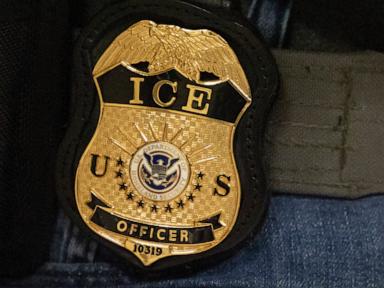
Immigration and Customs Enforcement is rushing to put body-worn cameras on every field officer and agent by the end of August. If you think that means complete openness about federal arrests and operations, you're missing the fine print.
The rapid equipment push comes after intense public backlash over fatal enforcement encounters. Last month, separate shootings in Maine and Texas left two motorists dead. Neither of the involved ICE officers wore cameras. Those incidents triggered protests and forced the agency to accelerate a distribution timeline that had stalled for years.
Acting Director David Venturella confirmed that the hardware rollout is hitting warp speed. But having the cameras strapped to an officer's chest is completely different from letting the public watch what happens.
The Best Interest Clause
Getting hardware into the field is easy compared to writing the rules of engagement for video footage. ICE policy includes a specific provision stating that video of critical incidents—such as serious injuries or deaths in custody—will only see the light of day if leadership decides it is in the "best interests of the agency".
That single phrase gives bureaucrats an enormous escape hatch. Critics argue it basically means footage that makes the agency look good gets released, while problematic interactions stay locked away.
Venturella pushed back against media reports, claiming critics mischaracterized the policy. He insisted that restrictions are meant to protect ongoing investigations and personal privacy. Even so, civil rights advocates point out that leaving the discretion entirely up to the accused agency creates an obvious conflict of interest.
Customs and Border Protection, the sister agency to ICE, operates under a similar playbook. When officers shot Alex Pretti in Minneapolis earlier this year, the agency refused to release the footage, citing an active investigation. Months later, the public remains in the dark.
Behind the Delays
For years, the federal government dragged its feet on outfitting immigration agents. ICE started small testing phases back in 2021. Even after receiving massive funding boosts, the rollout crawled.
Lawmakers like Maine Senator Susan Collins secured dedicated millions specifically for DHS body-worn devices to fix the lag. The recent deaths forced leadership to prioritize the remaining shipments. Now, offices in high-traffic zones like Houston and regional hubs across the country are scrambling to complete training on Axon devices.
Agents are required to turn on the equipment during standard enforcement operations, search warrant executions, and sudden emergencies. Capturing the video solves the problem of missing evidence. Controlling who gets to watch it creates a brand new one.
What Accountability Actually Looks Like
Technology alone doesn't fix systemic issues. When a federal agency holds total authority over its own surveillance records, accountability becomes optional.
If you want to track how these rules play out, watch how quickly footage gets processed after the August deadline passes. Pay attention to independent oversight boards and whether freedom of information requests face stonewalling.
Don't expect the new gear to automatically clear up controversial enforcement actions. The cameras are rolling, but the gatekeepers are still in charge.
ICE Body Camera Rollout Explained
This video provides additional context regarding the legislative funding and deployment timeline for the federal body camera rollout.
http://googleusercontent.com/youtube_content/1