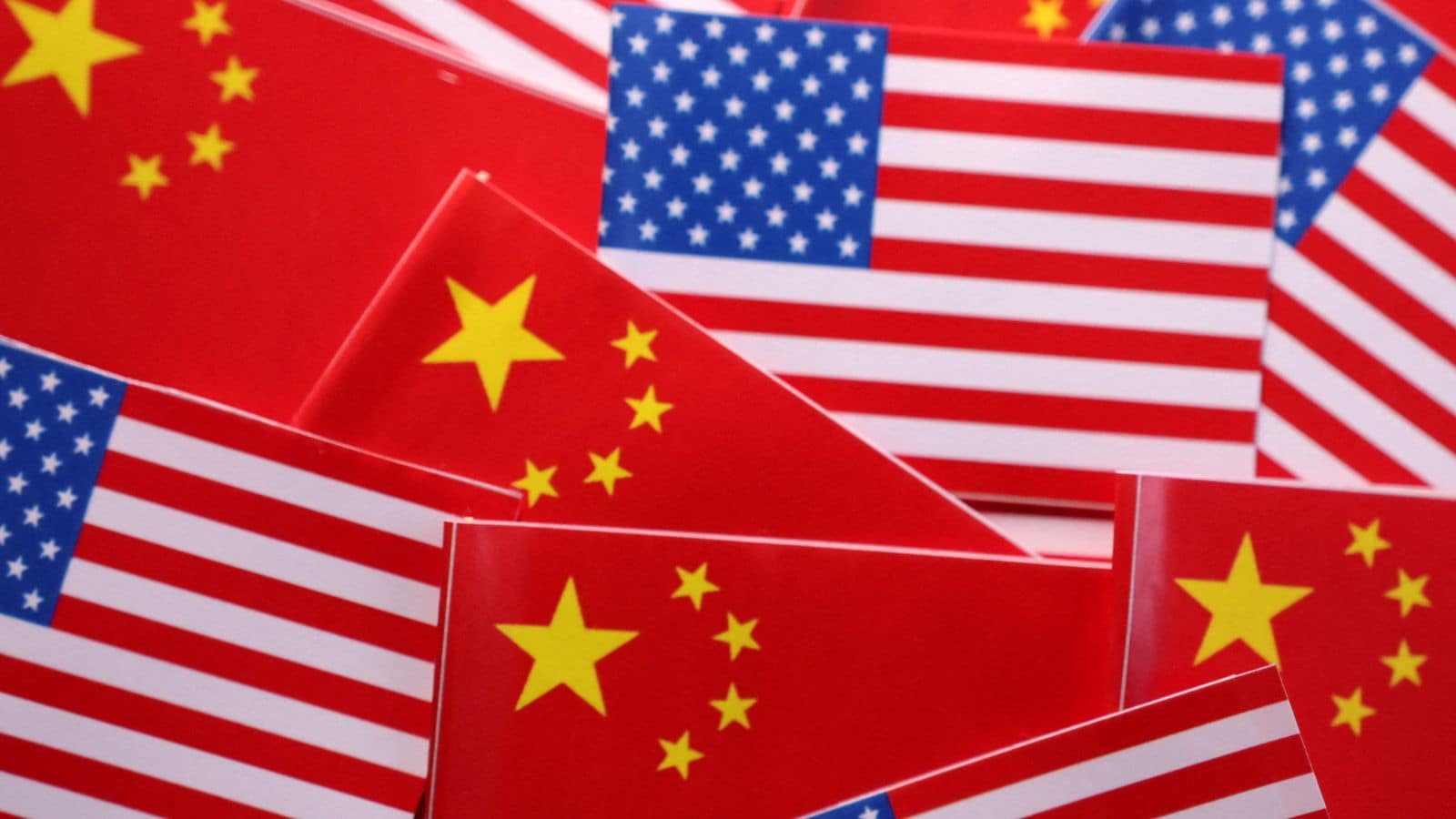
The final frontier is officially becoming a shooting gallery. For decades, superpowers pretended that outer space would remain a sanctuary reserved for weather satellites, scientific probes, and GPS signals. That polite fiction ended when military officials openly confirmed that offensive and defensive weapon systems are now operating directly in orbit.
Beijing didn't waste time reacting. Foreign Ministry spokespeople warned immediately that weaponizing low Earth orbit crosses a dangerous threshold, accusing Washington of lighting a match near a powder keg. But let's be honest with each other. This escalation wasn't a sudden accident. It was the predictable outcome of decades of silent maneuvering between the United States, Russia, and China.
The Loophole That Made Orbital Warfare Legal
How did we get here without tripping major international alarms? Blame the lawyers of 1967.
The Outer Space Treaty signed during the Cold War banned weapons of mass destruction and nukes from being parked in orbit. It was a smart move for its time, stopping humanity from hanging nuclear Damocles swords over each other's heads. However, the treaty left a massive truck-sized loophole. It said nothing about conventional weapons, kinetic impactors, electronic jamming payloads, or high-energy lasers.
Major military powers spent the last twenty years exploiting that exact oversight. While diplomats debated peaceful cooperation, defense contractors built hardware designed to blind, disable, or smash adversary satellites. The U.S. Space Force treats orbit as a contested warfighting domain because modern armies cannot fight without it. Everything from artillery targeting to drone navigation depends on orbital architecture. Take out the eyes in the sky, and an advanced military instantly becomes blind and deaf.
Why China is Sounding the Alarm
When Beijing warns that Washington is fueling an arms race, they aren't just engaging in standard diplomatic theater. They are laying the groundwork to justify their own aggressive counter-space expansions.
Independent analysts point out that the U.S. decision to stop hiding its orbital capabilities forces everyone else's hand. China operates its own permanent space station and boasts a rapidly growing constellation of military reconnaissance platforms like the BeiDou navigation network. If Washington deploys systems capable of knocking out Chinese assets, Beijing won't rely on treaties or promises to feel safe. They will match every American satellite-killer with one of their own.
Moscow is playing the exact same game, using the shifting strategic balance to push for a comprehensive orbital weapons ban that conveniently handcuffs Western technological advantages while preserving their own asymmetric capabilities. It is a high-stakes poker game where every player is cheating, and everyone knows it.
The Real Danger of Low Earth Orbit Conflict
Most people assume space wars sound like Star Wars—lasers firing between sleek metallic hulls. The reality is far scarier and much more mundane.
When a kinetic kill vehicle or laser disables a satellite moving at seventeen thousand miles per hour, it doesn't just destroy one piece of equipment. It shatters into thousands of high-speed shrapnel fragments. This triggers what physicists call the Kessler Syndrome. A single orbital clash can create an expanding cloud of debris that turns crucial orbital lanes into a blender, destroying civilian weather monitors, commercial communication grids, and scientific instruments indiscriminately.
Worse yet, many critical satellites serve dual purposes. The exact same spacecraft providing secure broadband for front-line infantry often relays early warning data for strategic nuclear forces. If a defense system blinds a satellite during a localized skirmish, leadership on the receiving end might misinterpret that conventional blinding as the opening salvo of a nuclear first strike. That terrifying ambiguity is why military planners lose sleep at night.
Where We Go From Here
You won't find a neat diplomatic fix for this anytime soon. Trust between Washington, Beijing, and Moscow is at historic lows, and neither side is willing to unilaterally disarm in the domain that dictates global power projection.
To prevent a catastrophic miscalculation, governments need to establish basic rules of the road immediately. That means setting up direct military communication channels for space incidents, defining clear red lines for what constitutes an act of war in orbit, and agreeing on verifiable transparency measures for upcoming rocket launches.
Keep an eye on upcoming United Nations disarmament forums. If major powers fail to agree on new guardrails soon, the next great conflict won't start on contested land borders or disputed oceans. It will start silently overhead, flashing across the night sky before anyone on Earth realizes the war has already begun.
China and Russia warn of new arms race as US confirms it has weapons in space
This video provides an in-depth look at the international reactions and strategic fallout following the official confirmation of orbital weapon deployments by major global powers.