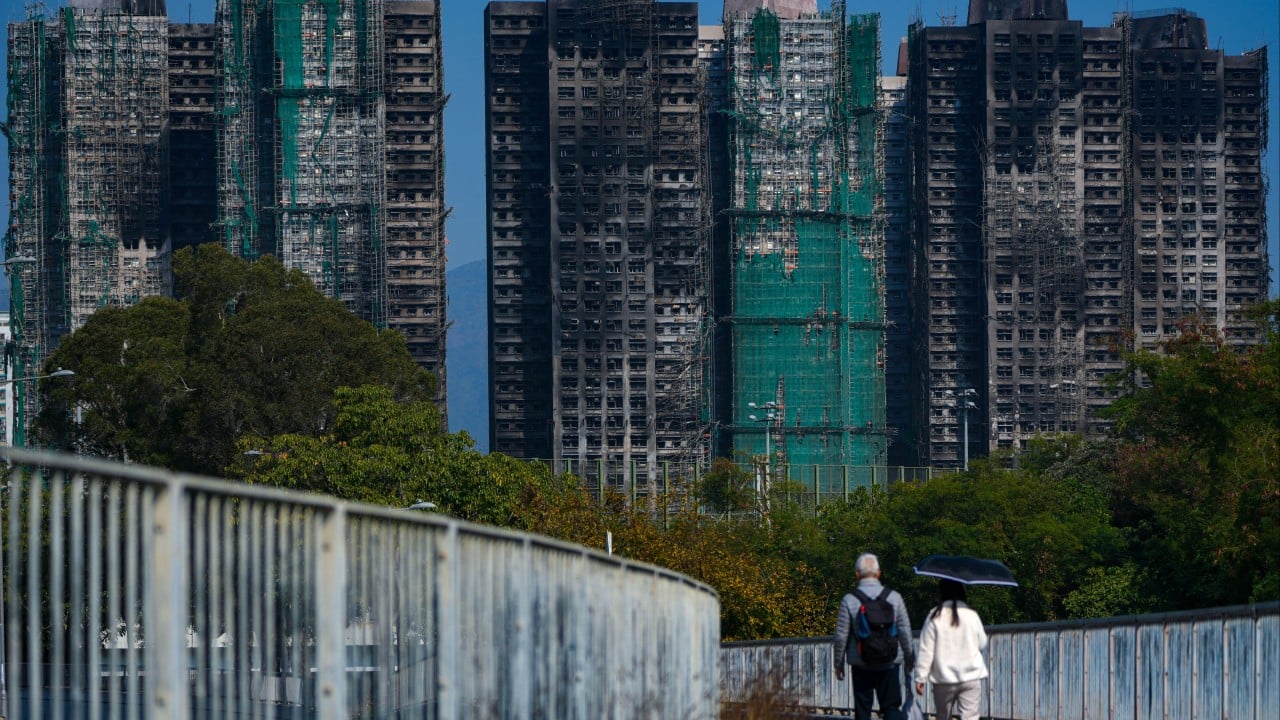
Promises of a new mechanism to strengthen oversight of renovations after a devastating fire sound reassuring at a press conference. Yet renovation oversight in dense, high-rise urban housing has historically failed not because officials lacked good intentions, but because interior fit-out work moves faster than regulatory inspection can follow. Following a major blaze like the Tai Po fire, policymakers inevitably reach for stricter rules, tighter sign-offs, and sharper accountability. Those measures matter. Still, real safety in multi-story residential blocks depends on what happens behind closed apartment doors on an ordinary Tuesday afternoon, long after the cameras leave and the initial outrage cools.
Anyone who has covered building safety and urban construction for decades knows the rhythm of post-disaster reform. First comes the shock and grief. Then comes a ministerial pledge to overhaul renovation oversight, close loopholes, and punish negligence. Months later, contractors still face razor-thin margins, residents still want fast and affordable upgrades, and inspectors still carry unmanageable caseloads across thousands of units. A policy announcement is a starting line, not a firebreak.
Why Interior Fit-Outs Slip Past Traditional Checks
Structural changes in multi-story buildings usually draw formal scrutiny because shifting a load-bearing wall or altering shared plumbing threatens the physical frame of the structure. Non-structural interior renovations often sit in a much murkier zone. A contractor strips out old cabinetry, rewires a living room, lays new flooring, or erects partition walls, treating the work as routine cosmetic upkeep rather than a life-safety event.
That distinction creates a blind spot. Fire behavior inside a modern apartment has changed dramatically over the past thirty years. Older fittings relied heavily on timber and natural fibers that charred relatively predictably. Modern interiors are packed with synthetic foams, engineered laminates, vinyl wall coverings, and high-draw electrical appliances. When an unauthorized electrical modification or a pile of untreated combustible debris ignites inside a tight corridor or flat, smoke and heat can overwhelm escape routes long before external fire crews reach the floor.
Consider a hypothetical example to see how routine work turns hazardous. Suppose a homeowner hires a low-cost contractor to remodel a compact apartment in a high-rise block. To save money and time, the crew taps into an existing circuit without proper load calculation, stacks cartons of solvents and packaging near a temporary work light, and blocks a shared lobby door with old materials waiting for disposal. Nothing about that job looks like a structural engineering catastrophe on paper. Yet a single fault or spark can turn an ordinary apartment renovation into a rapid-spread hazard for neighbors upstairs and across the hall.
Permit thresholds often reinforce this gap. When rules focus mainly on major structural alterations or approved building plans, smaller interior jobs slip underneath the radar. Even where notifications or permits exist, a piece of paper does not guarantee safe site practices. Paper compliance on a desk is not the same as a tidy, properly wired, fire-safe worksite twenty floors up.
The Hidden Economics Driving Corner-Cutting
To understand why renovation oversight struggles, look at the money beneath the drywall. Residential remodeling is intensely price-sensitive. Homeowners and tenants operate on fixed budgets and tight move-in schedules, often pressuring contractors to finish ahead of a lease start, a school term, or a family milestone.
Contractors compete fiercely for those jobs. When labor costs rise, material prices fluctuate, and building management fees or insurance premiums bite into earnings, corners get trimmed in quiet ways. A sub-contractor might skip certified fire-retardant treatments because the approved material costs more and takes longer to source. Another might hire casual workers with minimal safety training to keep daily payroll low.
- Subcontracting chains blur responsibility. A main contractor may take the booking, pass the electrical work to a second party, and leave waste hauling to a third, making it hard for anyone to verify basic safety standards day to day.
- Compressed timelines punish caution. Rushing demolition, wiring, and finishing in parallel creates clutter, dust, and makeshift power setups that increase ignition risks.
- Information asymmetry leaves residents vulnerable. Most buyers and tenants are not trained to spot substandard wiring, unrated materials, or compromised fire barriers behind fresh paint and sleek tiles.
Enforcement agencies face their own math problem. Even a well-funded inspection team cannot stand inside every renovating apartment every day. When oversight relies almost entirely on reactive complaints or sporadic spot checks, bad actors bet on low odds of getting caught. That calculation only shifts when risk of detection and financial penalty outweigh the short-term savings of cutting corners.
What Any Credible Oversight Mechanism Must Fix
If a new mechanism to strengthen oversight of renovations is going to outlast the news cycle, it has to address daily incentives rather than just add another form to fill out. Rules that look tough on paper but confuse residents or stall legitimate minor repairs quickly breed evasion. People work around systems they view as slow, expensive, or detached from reality.
Clarity comes first. Residents and contractors need unambiguous rules on what requires approval, what materials meet fire-safety expectations, and what site practices are strictly off-limits. When guidelines are buried in dense technical language, everyday decisions default to habit and hearsay.
Building Frontline Verification Into Daily Operations
The most practical way to improve renovation oversight is to place checks where work actually happens, without turning every minor repair into a bureaucratic marathon. Property managers, building owners' committees, and contractors already interact around freight lifts, material deliveries, noise hours, and waste removal. Those touchpoints offer natural leverage if used thoughtfully rather than treated as mere box-ticking.
Simple, mandatory pre-work declarations paired with targeted verification can help. Before heavy materials go up in a lift or electrical alterations begin, clear details on scope, responsible trades, and waste handling can be logged and shared with building management. Random, unannounced inspections on active sites—especially projects involving electrical work, partitioning, or high-volume combustible materials—carry far more deterrent value than routine desk reviews.
Contractor accountability also needs teeth. Licensing or registration rules mean little if a firm penalized for unsafe practices can simply rebrand or shift work under a different name. Publicly accessible records of violations, meaningful fines tied to project value rather than token amounts, and clear suspension triggers for repeat offenders change how operators weigh shortcuts.
Closing the Gap Between Policy and Practice
Even strong enforcement has limits in dense housing. A government inspector cannot police every screw turned inside a private home. Shared responsibility is not a cop-out; it is a structural reality of multi-unit living where one person's negligence endangers dozens of households.
Resident awareness makes a measurable difference when framed around practical self-interest. Homeowners rarely set out to create a fire hazard, yet many unknowingly hire unlicensed tradespeople to save a fraction of the quote or approve layout tweaks without asking about fire compartmentation and smoke detection. Clear, plain-spoken guidance on what to ask a contractor—and what red flags to refuse—empowers the people paying the bill.
Gray areas will always remain. Defining the exact line between harmless redecorating and regulated alteration is genuinely hard. Draw the line too broadly, and minor maintenance bogs down; draw it too narrowly, and risky work continues unchecked. Any serious reform has to be reviewed against real-world compliance data after launch, adjusted when loopholes appear, and backed by steady funding rather than one-off surges of attention.
Why Scrutiny Must Outlive the Headline
Tragedies like the Tai Po fire expose vulnerabilities that were often visible in small ways long before disaster struck. A blocked egress route, a makeshift junction box, a pile of trimmings left near a heat source—none of those look dramatic in isolation until conditions align and fire takes hold.
Strengthening renovation oversight is ultimately a test of stamina. Announcing a new mechanism is the easy part; keeping standards high when budgets tighten and memories fade is where real protection is won or lost. Every safe apartment remodel begins with a simple choice before the first tool is lifted: doing the unglamorous safety step even when nobody is watching.