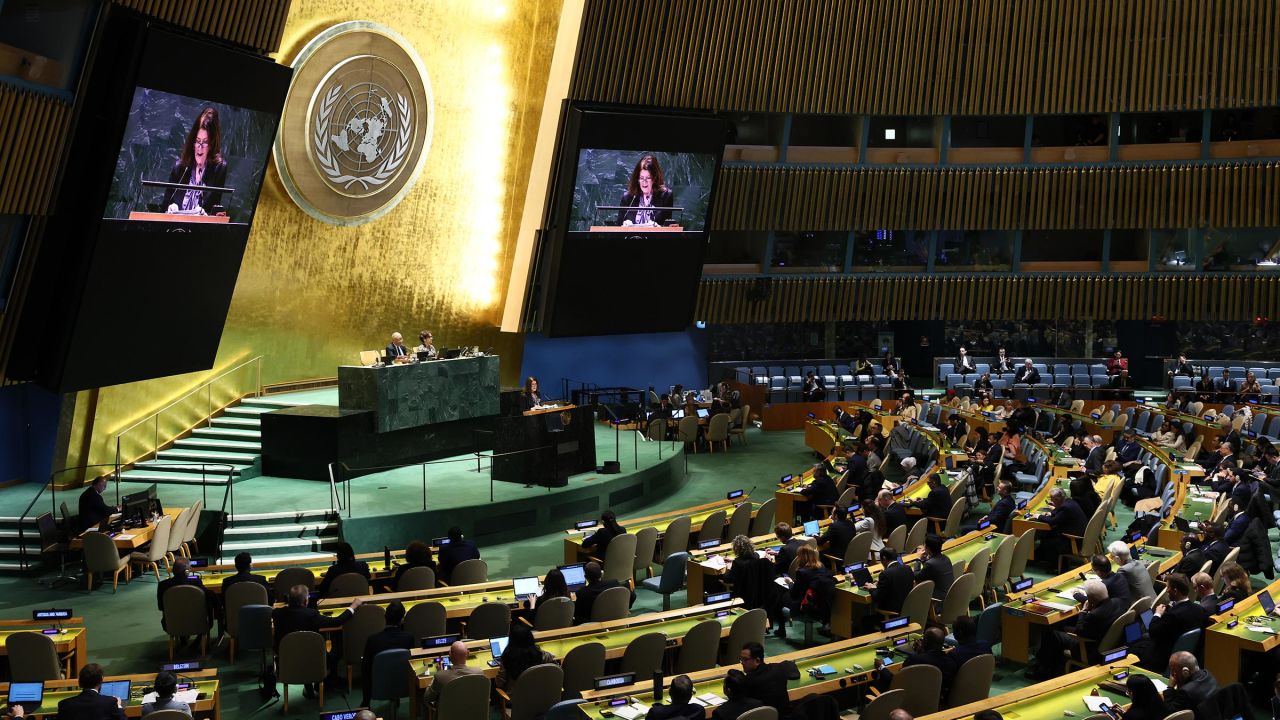
Washington is trying to play nice at the United Nations, but nobody’s buying it. After weeks of high-stakes friction in the Strait of Hormuz, the U.S. just dropped a revised draft of its resolution aimed at curbing Iranian aggression. The goal? Stop the mining of international waters and the harassment of commercial vessels. The reality? It’s almost certainly going to get buried by a Russian and Chinese veto before the ink even dries.
Let’s be real. This isn't just about "freedom of navigation" or "global trade security." It’s a game of chicken where the U.S. is trying to box in Tehran without triggering a total regional meltdown. But Moscow and Beijing aren't interested in helping the U.S. win that game. Learn more on a related topic: this related article.
The Strategy Behind the Revision
The U.S. and its Gulf allies, specifically Bahrain, Saudi Arabia, and the UAE, have been frantically tweaking the text. They’ve removed the explicit mention of Chapter VII of the UN Charter. For those who don't spend their lives reading dry diplomatic cables, Chapter VII is the "big stick" clause. It’s what gives the Security Council the power to authorize everything from economic sanctions to full-on military intervention.
By scrubbing that reference, the U.S. is basically saying, "Look, we aren't asking for permission to start a war." They want to appear reasonable. They want to make it harder for China and Russia to say no without looking like they support state-sponsored mining of shipping lanes. Further reporting by The New York Times explores related perspectives on this issue.
It hasn't worked.
Diplomats in New York are already whispering that the changes are cosmetic. Even without "Chapter VII" in the header, the resolution still contains "trigger" language. It says if Iran doesn't comply, the Council will "meet again to consider effective measures." In diplomatic speak, that’s just a placeholder for the sanctions they supposedly took off the table.
Why China and Russia Won't Budge
You’ve got to look at the timing. President Trump is heading to Beijing next week. A Chinese veto right before a major state visit is awkward, sure, but letting the U.S. dictate terms in the Middle East is even worse for China's long-term interests.
Beijing has already signaled its stance by activating its own "Blocking Rules" this month. They’re legally barring Chinese companies from complying with U.S. secondary sanctions on Iranian oil. They aren't just ignoring Washington; they’re building a legal fortress against it. For China, Iran isn't just a rogue state—it’s a massive gas station and a strategic partner that keeps the U.S. busy.
Then there’s Russia. Moscow’s stance is even simpler: if the U.S. wants it, Russia hates it. They’ve called for the resolution to be scrapped or rewritten from scratch. They view any move against Iran as a western attempt to legitimize military escalation. Russia and China both argue the current draft is fundamentally biased because it doesn't mention the U.S. blockade of Iranian ports or the sinking of Iranian boats during recent skirmishes.
The Reality of the Strait of Hormuz
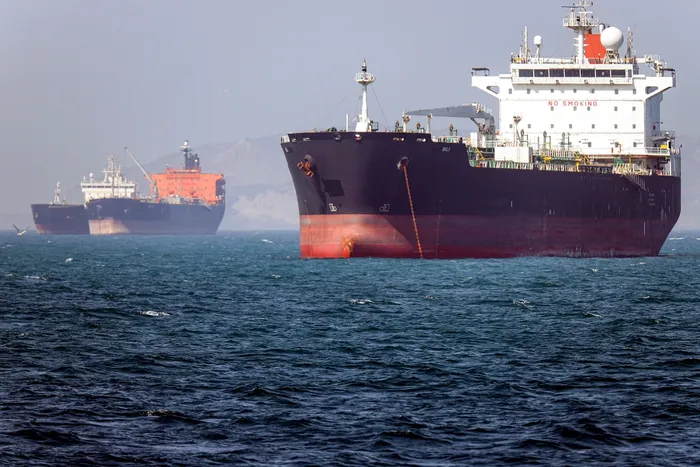
This isn't some abstract debate in a marble hallway. It’s about the 20% of the world’s oil that flows through a narrow strip of water. Since the military escalation began back in February, the Strait of Hormuz has turned into a graveyard for "business as usual."
Iran hasn't backed down. Even during the shaky ceasefire that started in April, the waterway stayed effectively shut. The U.S. has started escorting tankers, which led to direct exchanges of fire. We’re seeing a shadow war turn into a very loud, very public one.
The U.S. Ambassador to the UN, Mike Waltz, is calling this a "test of the utility" of the United Nations. But it’s a test the UN is designed to fail. The veto power was never meant to solve conflicts between superpowers; it was meant to prevent them from fighting each other by ensuring nothing happens without their collective consent.
What This Means for You
Expect oil prices to stay volatile. As long as the Security Council is deadlocked, there’s no international "referee" to calm things down. The U.S. will likely continue its "Operation Economic Fury" with more unilateral sanctions, and Iran will likely continue to use the Strait as its primary leverage.
If you’re watching the markets or the news, don’t get distracted by the "revised" language. The core conflict hasn't changed an inch. The U.S. wants a world where it can enforce maritime law with the UN’s blessing. Russia and China want a world where the U.S. can’t do anything without their permission.
Watch the vote count, but don't hold your breath for a "yes." Instead, keep an eye on those "teapot" refineries in China and the U.S. Treasury’s next SDN list update. That’s where the real war is being fought—one bank account and one oil tanker at a time.
If you want to understand the next phase of this conflict, stop looking at the UN floor and start looking at the insurance premiums for tankers in the Persian Gulf. That’s the only vote that actually counts right now.