Don't believe the hype that a "perfect" agreement is just around the corner. If you've been watching the chaos in the Middle East over the last few months, you know the stakes have never been higher. We're currently sitting in a tense, indefinite truce after a conflict that nearly set the entire Persian Gulf on fire. President Trump’s recent announcement to pause "Project Freedom"—the military operation intended to blast open the Strait of Hormuz—suggests that a diplomatic breakthrough might actually be on the table. But "great progress" in Washington often translates to "stalled" in Tehran.
The reality is that we aren't just talking about a return to the 2015 JCPOA. That ship sailed a long time ago. What’s being negotiated in Islamabad and Oman right now is a high-stakes gamble involving zero-enrichment demands, frozen billions, and a "dual blockade" that has sent global oil prices into a tailspin. You need to know that this isn't just a nuclear talk; it’s a survival talk for both regimes. You might also find this related article insightful: Geneva is Not Dying It is Finally Getting Rid of the Bloat.
The Zero Enrichment Wall
The biggest hurdle isn't just the amount of uranium Iran has; it’s the "how" and the "where." The US position under the current administration has shifted to a hardline demand of zero enrichment. No more 60%. No more 20%. Not even the 3.5% needed for civilian power.
Washington wants every centrifuge dismantled. As highlighted in recent coverage by NBC News, the effects are significant.
Iran’s Atomic Energy Organization has already called this a non-starter. They’ve got over 400kg of 60% enriched material sitting in facilities like Fordow, which is buried so deep that conventional strikes struggle to reach it. For the US, leaving Iran with any enrichment capability is seen as giving them a "breakout" window of less than two weeks. For Iran, giving up enrichment feels like a total surrender of national sovereignty.
I’ve seen this movie before. One side demands a total climb-down, the other offers "inches" of progress, and the talks fall apart by Friday. But this time, the internal pressure on the Iranian regime is different. After the mass protests in early 2026 and the death of Supreme Leader Ali Khamenei, the new leadership under Mojtaba Khamenei is desperate for cash to stabilize a crumbling economy.
The Frozen Billions and the Hormuz Crisis
Money is the only reason Tehran is still at the table. Reports from the Islamabad talks suggest the US has agreed in principle to release billions in frozen Iranian assets held in Qatar and other foreign banks. This isn't a gift; it’s a bribe for safe passage.
Right now, we have a "dual blockade."
- The US Navy is blockading Iranian ports to stop all oil exports.
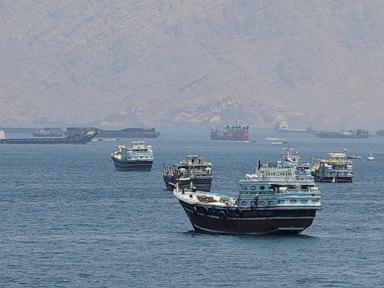
- Iran is blockading the Strait of Hormuz, effectively holding the world's energy supply hostage.
The deal being hammered out involves a phased release of these funds in exchange for Iran reopening the Strait and allowing the International Atomic Energy Agency (IAEA) back into their "black site" facilities. If you’re wondering why your gas prices are still hovering at record highs, it’s because the market doesn't trust this ceasefire. It’s too fragile. One stray drone or a misunderstood naval maneuver in the Gulf could restart the war tomorrow.
The Regional Players are Losing Patience
You can't talk about a US-Iran agreement without looking at Israel and the Gulf states. Israel has already proven it’s willing to strike nuclear sites regardless of what Washington says. Their "precondition" for any deal is the total removal of enriched material from Iranian soil. They don’t want it monitored; they want it gone.
Meanwhile, countries like Saudi Arabia and the UAE are in a tight spot. They’ve been hit by Iranian counter-strikes earlier this year, and they’re tired of being the playground for this proxy war. They want a deal that includes Iran’s ballistic missile program—something Tehran has historically refused to discuss.
The US 15-point plan reportedly includes limits on these missiles and an end to support for groups like Hezbollah and the Houthis. It’s a "maximalist" list that makes a final signature incredibly difficult. Honestly, the most likely outcome isn't a grand treaty, but a "less for less" arrangement: some sanctions relief for some nuclear freezes.
What Happens if the Talks Fail Again
If these negotiations collapse—as they did in early May when Foreign Minister Araghchi canceled meetings citing "technical reasons"—expect the military option to return with a vengeance. The Pentagon has already requested hundreds of billions in additional funding for Middle East operations.
The "Project Freedom" pause is temporary. If the Strait doesn't open soon, the US military will likely attempt to force it open. That means more strikes, more sea mines, and potentially a full-scale regional conflict that makes the 2026 war look like a skirmish.
Don't get distracted by the "inches away" rhetoric. Watch the shipping lanes. If the tankers start moving freely through Hormuz without Iranian harassment, the deal is real. If the naval blockade stays in place, the Islamabad talks are just a stall tactic.
Next Steps for You
- Monitor the Strait of Hormuz status: This is the primary indicator of whether the "dual blockade" is actually lifting.
- Watch the IAEA reports: Any news of inspectors returning to Fordow or Natanz is a sign that Iran is actually making concessions on the "zero enrichment" front.
- Prepare for price volatility: Until a "complete and final agreement" is signed and verified, energy markets will remain chaotic. Don't assume the ceasefire means the crisis is over.