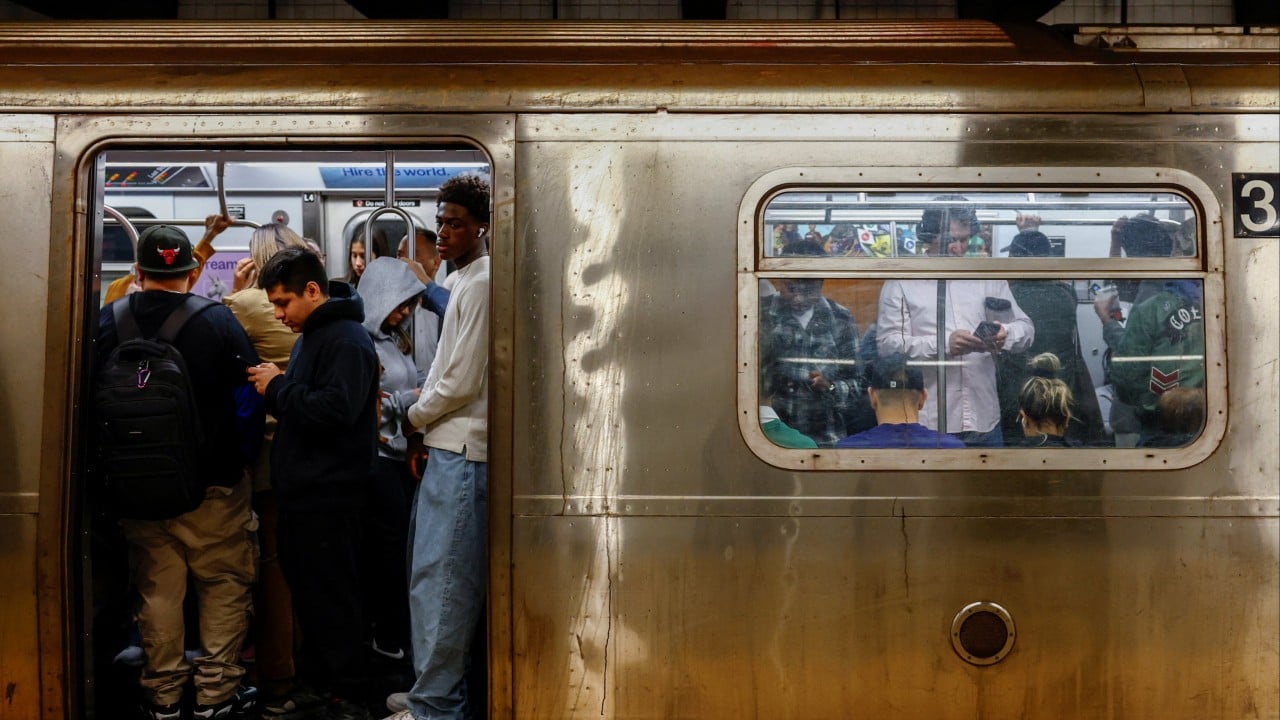
Subway platforms move at a frantic pace every single day. Millions of commuters rush through closing doors, treating the transit system like an obstacle course. But sometimes, fractions of a second turn into a fatal disaster.
The tragic death of 57-year-old Yaw Boahene at the Utica Avenue station in Brooklyn exposed a terrifying vulnerability in mass transit. His shopping bag slipped into the closing doors of an A train, snagging tight as the cars pulled away. He was pulled onto the tracks and killed. It wasn't the first time an innocent rider lost their life this way, and transit users are left asking why modern technology still fails to prevent these horrors.
The Flaw in Door Sensors and Thin Objects
Modern subway fleets, including the newer R211 cars rolling out across the network, feature obstacle detection sensors designed to reopen doors if something blocks them. Yet, these systems have glaring blind spots.
Thin items like plastic bags, straps, or loose clothing lack the bulk required to trip automated safety triggers. If a strap or thin bag gets pinched near the rubber seals, the train's computer may register the doors as fully closed and secure. Once that signal transmits to the operator, the train departs. Operators rely on mirrors and cameras to check the platform, but blind spots exist, especially during crowded rush hours.
Dragging incidents highlight a terrifying gap between mechanical safety and human execution. When a bag or backpack jams in a door, passengers often panic, trying to yank it free instead of letting go immediately. By the time reality sets in, the train is already moving.
The Danger of Rushing the Threshold
We've all done it. You hear the chime, see the flashing lights, and make a reckless dive to squeeze through doors before they seal shut. Subway culture encourages this urgency. Trains run on tight headways, and missing one means a frustrating delay.
However, forcing your way into closing doors or trying to pull items out at the last second creates extreme risk. Subway doors close with immense pneumatic force. Once a thin strap or bag handle enters the gap, the rubber seals clamp down with enough friction to hold body weight.
What Transit Authorities Must Fix
Riders shouldn't have to rely purely on luck or hyper-vigilance to survive a morning commute. Accountability falls heavily on transit authorities to upgrade infrastructure.
Platform screen doors, common in transit systems around the world, physically prevent passengers from reaching the tracks or getting snagged by departing trains. While retrofitting hundreds of underground stations across New York City presents massive logistical and financial hurdles, pilot programs are long overdue for high-volume stops.
Until major structural changes happen, commuters need to treat closing doors with absolute respect. If a bag or jacket gets caught, let it go. No personal item is worth risking your life over.
Stay aware of your surroundings, step back when the warning chimes sound, and never try to force an item back through closing seals.