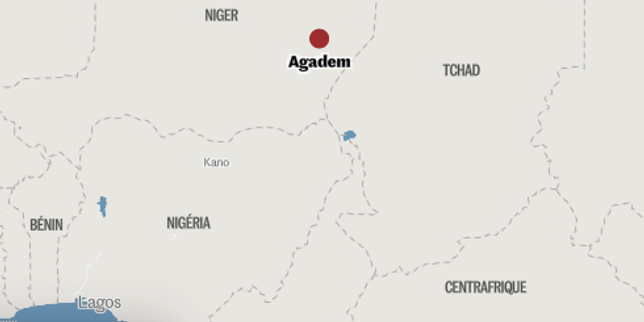
Every time hydrocarbons leak onto African soil, Western media outlets scramble for their favorite pre-written script. They talk about catastrophic ecological ruin, corporate rapacity, and helpless local populations crushed beneath the heel of fossil fuel extraction. It is lazy. It is predictable. And it completely misses the structural mechanics of how modern resource economies actually function.
When headlines screamed about an exceptional environmental incident following an oil eruption in Niger, the usual consensus brigades dusted off their moral panic. They framed the blowout as a localized curse, an inherent penalty for daring to extract underground wealth. But this superficial diagnosis ignores basic engineering realities, historical extraction patterns, and the hard economic calculus of resource nationalism.
Let us dismantle the fiction.
The Lazy Consensus Of Ecopolitical Despair
The prevailing narrative treats every pipeline rupture or wellhead failure as a unique moral failing of the extraction site. Mainstream commentators love to paint these events as existential shocks. They isolate the spill, strip away the geopolitical context, and present a binary choice: leave the oil in the ground or submit to permanent environmental degradation.
This is a false dichotomy. I have spent years auditing industrial energy infrastructure across frontier markets. I have seen corporations blow millions on redundant safety systems that fail not because of malice, but because of systemic institutional friction and fragile supply chains. Yet, treating an industrial accident as a localized apocalypse is intellectually bankrupt.
Pipelines leak. Wells blow out. It happens in the North Sea, the Gulf of Mexico, and the deserts of the Sahel. The difference is not the laws of physics or the presence of hydrocarbons; the difference is who controls the narrative and who extracts the surplus value.
When foreign correspondents descend on Niger to document an environmental crisis, they rarely look at the broader machinery of state energy governance. They want pictures of stained earth and distressed farmers. They want a tidy morality play. They refuse to ask the harder question: what happens when a sovereign nation attempts to redirect its own subsurface wealth away from foreign cartels and toward domestic state-building?
The Mechanics Of Extraction Under Pressure
To understand what actually went wrong during the Niger eruption, you have to look past the dramatic imagery and examine wellbore pressure dynamics and infrastructure maintenance cycles.
Hydrocarbon reservoirs do not care about geopolitical borders or media cycles. High-pressure zones demand rigorous, continuous capital expenditure. When political shifts occur, when sanctions tighten, or when local insurgencies disrupt supply routes, maintenance schedules slip. Spare parts get stuck at customs. Experienced international contractors pull their personnel due to perceived security risks.
Under these conditions, a technical failure is not a statistical anomaly; it is a mathematical certainty.
Yet, the mainstream reporting acts as though safety is a switch you simply flip on if you have enough moral clarity. It is not. Safety is a function of supply chain redundancy, institutional depth, and uninterrupted capital flow. When external actors impose embargoes or financial strangulation on developing states, they starve the very infrastructure they later condemn for failing.
The Sovereignty Paradox
Here is the truth that neither the corporate PR departments nor the outrage-industrial complex want to admit: resource sovereignty is messy, dangerous, and violent.
For decades, Niger’s energy assets were locked into asymmetrical contracts designed to siphon raw crude outward while returning minimal fiscal benefit to local populations. When local authorities push to alter those terms, renegotiate profit shares, or diversify partnerships, the risk profile changes overnight. Infrastructure ages under the weight of political transition.
To frame an industrial spill solely as an ecological catastrophe is to ignore its political economy. The environmental damage is real, measurable, and tragic. But pretending it exists in a vacuum—divorced from the history of neo-colonial resource extraction and the intentional underfunding of local technical capacity—is a sucker's game.
If you want to fix resource degradation in the Sahel, stop treating African nations as passive victims of pipes and pumps. Start looking at the structural financial constraints that prevent local engineers from accessing high-tier remediation technology without bowing to predatory international loans.
The real crisis in Niger is not just a pool of crude on the desert floor. It is the persistent refusal of global observers to credit local institutions with the agency, competence, and grit required to industrialize on their own terms.
Clean up the spill. Punish the negligent actors, local or foreign. But do not buy the lie that Africa's energy future should be abandoned simply because industrial accidents happen when you finally seize control of your own ground.