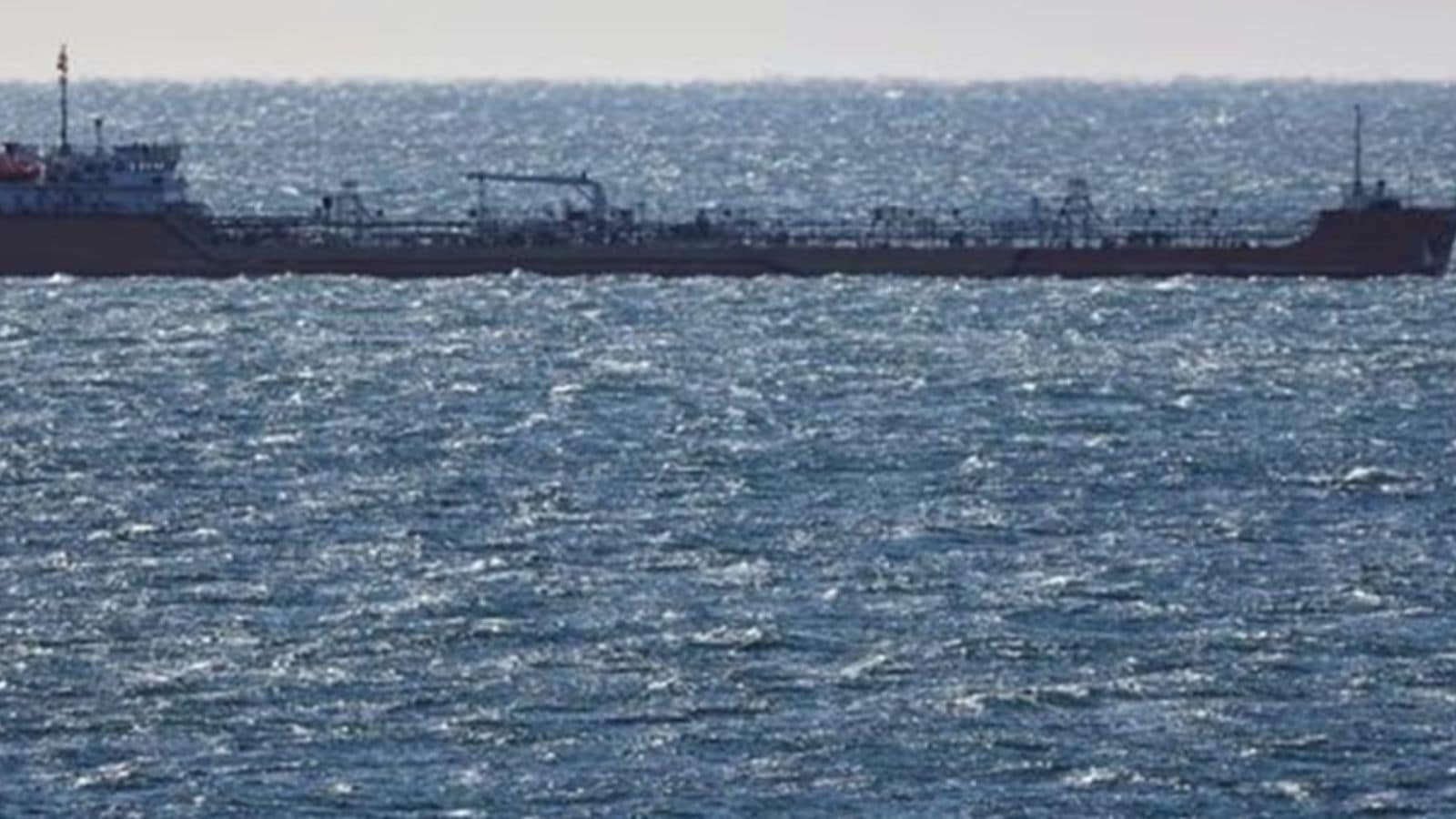
The steel hull of a massive tanker hums with a vibration you feel in your teeth before you hear it in your ears. On the bridge of a vessel cutting through the Malacca Strait, the air smells of brine and something heavier—the thick, sulfurous scent of fuel oil. This is the lifeblood of global trade. Without it, the gargantuan engines that move your smartphone, your sneakers, and your morning coffee across the ocean would simply stop.
But lately, that hum has turned into a nervous stutter.
In the glittering boardrooms of Singapore and the gritty bunkering hubs of Fujairah, a silent panic is taking hold. The math doesn't add up anymore. Asia, the world’s hungriest engine of growth, is staring at an empty tank. The Middle East, traditionally the reliable faucet of the world's heavy fuel, has suddenly tightened the valve.
This isn't just a line on a Bloomberg terminal. It is a fundamental shift in how the world powers itself, and the ripples are hitting the shore faster than anyone anticipated.
The Invisible Shortfall
Consider a hypothetical logistics manager in Seoul named Min-jun. Min-jun doesn’t trade commodities; he manages a fleet of container ships. For a decade, his job was predictable. He bought "bunker fuel"—the thick, viscous residue left over after refineries take the expensive stuff like gasoline out of crude oil—at a steady price.
Last month, Min-jun’s supplier called with a voice that sounded like sandpaper. The cargo he expected from Kuwait wasn’t coming. It wasn’t just late. It didn't exist.
The Middle East is currently undergoing a massive internal transformation. Nations like Saudi Arabia and Kuwait are no longer content being just the world’s gas station. They want to be the world’s factory and its ultimate luxury destination. This requires power. Massive amounts of it. As the desert heat rises, these nations are burning their own fuel oil to keep the air conditioning running and the desalination plants humming.
Simultaneously, new, high-tech refineries across the Persian Gulf have come online. These facilities are "deep conversion" marvels. They don't leave behind much residue. They are designed to squeeze every last drop of high-value diesel and jet fuel out of a barrel, leaving almost nothing for the heavy fuel oil market that Asia relies on.
The result? Exports have plummeted. In a market where a 5% swing in supply can cause a 20% spike in price, the current shortfall feels like a physical blow.
Why the Ocean is Getting Expensive
To understand why this matters to you, look at the bottom of a shipping container. Heavy fuel oil (HFO) is the literal grit that keeps the gears of globalization turning. When the supply from the Middle East dries up, Asian buyers have to look elsewhere. They look to Europe. They look to the Americas.
But shipping fuel oil from Rotterdam to Singapore is like ordering a pizza from three states away. The "arbitrage"—the price difference that makes the trip worth it—has to be enormous to cover the freight costs.
"We are chasing ghosts," one veteran trader in Singapore told me, requesting anonymity because his firm is currently scrambling to secure any available spot cargo. "We used to wait for the tankers to come to us. Now, we are out in the Atlantic, hat in hand, outbidding each other for scraps."
When fuel costs rise for a ship, they don't stay on the water. They migrate. They move into the cost of the grain being shipped to Indonesia, the electronics leaving Shenzhen, and the raw minerals headed to Vietnam.
The Low-Sulfur Trap
The crisis is compounded by a ghost from the recent past: IMO 2020. This was a global regulation designed to make shipping cleaner by forcing vessels to use Very Low Sulfur Fuel Oil (VLSFO). It was a victory for the environment, certainly. But it also bifurcated the market.
Now, the world is short on both types. High-sulfur fuel is needed for ships equipped with "scrubbers" (expensive exhaust cleaning systems), and low-sulfur fuel is needed for everyone else. Because the Middle East is refining more of its own crude into high-value products, the supply of the base components for both fuels has tightened simultaneously.
The irony is thick. We wanted a cleaner world, and we built the infrastructure to support it. But we didn't account for the fact that the producers of the world’s energy might decide to stop sharing their leftovers.
A Scramble for Alternatives
Nature hates a vacuum, and so does a market. With the Middle Eastern tap running dry, Asia is turning to unconventional sources. Russian oil, despite the labyrinth of sanctions and price caps, is finding its way into Asian bunkers. It is a shadow trade, conducted in the dark, often involving "ship-to-ship" transfers in the middle of the ocean to mask the origin of the fuel.
This creates a precarious stability. It’s a house of cards built on the back of geopolitical tension. If the "dark fleet" of tankers carrying this oil faces a crackdown or a major accident, the Asian fuel shortage goes from a headache to a cardiac arrest.
Then there is the internal competition. Power plants in Pakistan and Bangladesh compete with cargo ships for the same pool of fuel. When a ship outbids a power plant, the lights go out in a village so that a cargo of plastic toys can reach a port in Los Angeles on time. That is the human cost of a "tightening market."
The Friction of the Future
We often speak of the energy transition as a clean, linear progression from oil to wind and solar. The reality on the docks of Singapore tells a different story. It is messy. It is loud. It is expensive.
The shortage of fuel oil in Asia is a symptom of a world in between versions. We haven't built enough green hydrogen or ammonia-powered ships to replace the old guard, but we have already begun dismantling the supply chains that fed the giants of the 20th century.
The Middle East is moving on. They are investing in their own futures, building cities in the sand and pivoting toward a post-oil economy by maximizing the value of every carbon molecule they extract. They owe the Asian shipping lanes nothing.
Consider the silence of a port when the fuel runs out. It isn't a peaceful silence. It is the sound of a heartbeat stopping.
Right now, the ships are still moving. The tankers are still finding enough residue to keep the props turning. But the margins are thinning. The voices on the radio are getting more frantic. The "fuel oil" that used to be an afterthought—the sludge at the bottom of the barrel—has become the most contested resource on the high seas.
Next time you see a massive cargo ship on the horizon, don't just see a vessel. See a hungry beast, prowling the waves for a meal that is becoming harder and harder to find. The era of cheap, easy energy is sinking below the waterline, and we are all on board, watching the gauge flicker toward empty.
The hum of the steel hull continues for now, but the vibration feels different. It feels like a warning.
Would you like me to analyze the specific impact this fuel shortage is having on trans-Pacific shipping rates for the next quarter?