The air in the capital always smelled of scorched dust and roasting corn when the heat refused to break. It was the kind of midnight stillness that felt heavy, pregnant with a dread everyone knew intimately yet pretended to ignore. Down on Vali-e-Asr Street, the old plane trees cast long, skeletal shadows under the amber glow of sodium streetlights. A vendor was packing up his cart, the metallic clatter of his empty brass pots echoing off concrete facades. People were sleeping with their windows cracked open, chasing any breath of coolness the desert wind might offer.
Then the sound arrived.
It did not begin as an explosion. It began as a tear in the fabric of the night—a low, concussive groan that vibrated in the soles of your feet before it ever reached your ears. Seconds later, the western horizon bloomed. Not with dawn, but with a violent, jagged orange flare that silenced the city's frantic dogs and sent thousands stumbling out onto balconies in their nightclothes, faces washed in the unholy strobe of incoming steel.
History does not always arrive with a treaty signing or a declaration read from a mahogany desk. Sometimes, it screams at Mach speed across the dark.
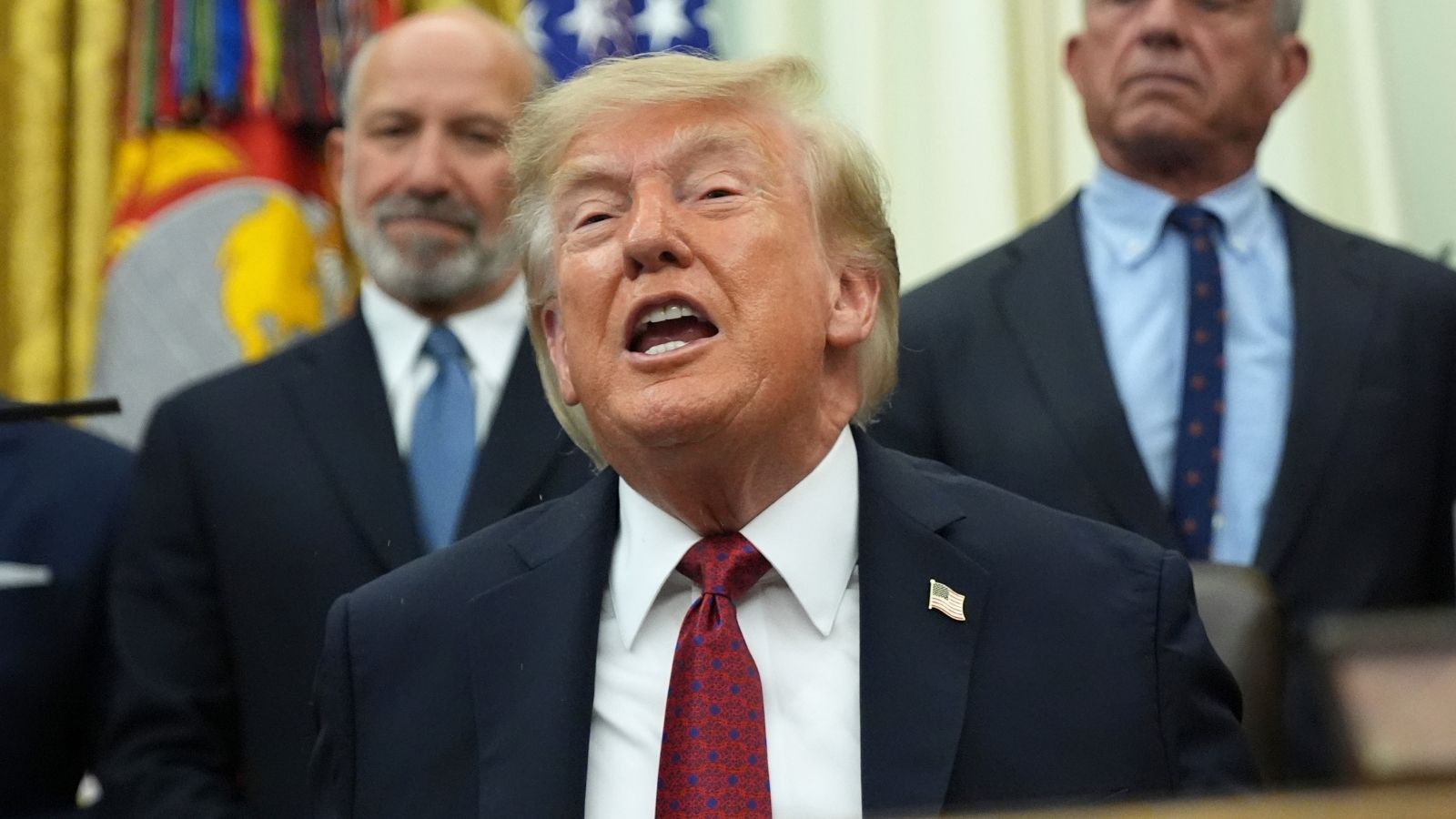
Just twenty-four hours earlier, the digital world had flickered with the cold, rigid architecture of an ultimatum. From an ocean away, delivered via the frantic pixels of a smartphone screen and the blare of cable news studio alerts, a warning had been dropped. Former President Donald Trump had issued his customary digital salvo, a public line in the sand regarding Iranian aggression, vowing that any strike would be met with an overwhelming reply. The words were broadcast into living rooms from London to Los Angeles, treated by markets as a transient headline, by pundits as another negotiation tactic, and by diplomats as rhetorical theater.
Theater does not leave craters.
When the United States military launched its targeted strikes against Iranian infrastructure and proxy networks, the illusion of distance vanished. We treat geopolitical conflict like a spectator sport played on flat screens, a high-stakes chess match moving across a map where countries are color-coded polygons and casualties are anonymized integers. But step outside into the dust of an alleyway lit by burning fuel depots, and the abstraction dissolves entirely.
Consider what happens in the human nervous system when a nation-state decides to cross the threshold from threat to kinetic action.
For the average family sitting in a modest apartment in western Tehran, the warning was not a political maneuver; it was a ticking clock. Mothers pulled sleeping children from beds, bundling them into hallways away from glass windows that could turn into shrapnel storms. Shopkeepers locked heavy steel shutters, knowing full well that a blast wave respects neither inventory nor livelihood. The invisible stakes of grand strategy—sanctions relief, uranium enrichment thresholds, deterrence theory—translate immediately into the price of bread skyrocketing, hospital corridors filling with the wounded, and the gut-wrenching terror of a generation that has grown up wondering if tomorrow is permitted to happen.
We have built an entire vocabulary to sanitize these moments. We talk about kinetic operations, degraded capabilities, strategic messaging, and calibrated responses. These are linguistic shields designed to protect us from the grim reality of what is actually occurring. A strike is not a message. A strike is a physical catastrophe inflicted on physical bodies.
When the first wave of American air power hit, operating from regional bases and carrier strike groups cutting through the Arabian Sea, they were executing a doctrine born of decades of escalation. The logic goes that restraint invites bolder provocations, that letting a proxy attack go unanswered invites a wider war. So the machine churns forward. The pilots in their G-suits feel the heavy G-force pressing them into their ejection seats as they release precision-guided munitions into the night. They are professionals executing coordinates uploaded into targeting pods miles above the earth. They do not smell the dust. They do not hear the screams. They see a thermal bloom on a monochrome screen, a crosshair aligning with a pixelated compound, and then they bank hard to turn back toward the dark safety of the sea.
Back on the ground, the math looks entirely different.
In a makeshift clinic near the city center, a young medic named Reza—a hypothetical name representing the very real faces staffing emergency rooms during these hours—tied a tourniquet around a teenager’s shattered leg. The power had failed, plunging the room into the erratic, buzzing glare of a battery-powered work light. Outside, the sirens wailed in a jagged, unbroken chorus. Reza had studied medicine to heal sick hearts and mend broken bones from motorcycle accidents. He had not spent his residency learning how to triage the fallout of a superpower's punitive expedition.
This is the true, unvarnished cost of the geopolitical chess game. Every policy paper drafted in Washington think tanks, every late-night situation room briefing in the West Wing, and every defiant speech delivered in Tehran’s parliament eventually manifests right here: in the raw, chaotic terror of an ordinary human being wondering if the ceiling is about to collapse.
The sequence of events leading to this night was forged in a furnace of mutual distrust and historical grievances that stretch back generations. It is an architecture of hostility built brick by brick through decades of covert operations, broken deals, cyber warfare, and regional proxy conflicts. Each side has spent years convincing its populace that the other is an existential monster incapable of reason. When you dehumanize your adversary to that degree, compromise becomes a form of treason, and escalation becomes the only language left fluent enough to speak.
When the dust finally settled after the initial wave of U.S. strikes, the immediate silence that followed was worse than the explosions. It was the silence of anticipation, the breathless waiting for the counter-strike, the retaliatory salvo, the next domino to fall in an inevitable chain reaction.
Down on Vali-e-Asr Street, the vendor’s brass pots lay scattered across the pavement, dented and tarnished by soot. The sky overhead began to bruise into the pale, indifferent gray of an oncoming dawn. The morning light would reveal scorched concrete, twisted rebar, and the quiet, stubborn resilience of people who have no choice but to sweep up the debris and figure out how to live through the aftermath.
The strikes began because words failed, because threats were called, because the massive, unstoppable engine of national security logic demanded an accounting. But as the sun rises over a scarred capital, the cold mathematics of deterrence offers no warmth to the mother holding her weeping child in the dark. It turns out that when the sky splits open, nobody wins the argument. They only survive it.

