The Sierra Nevada doesn't care about your weekend plans.
When you pack a car and leave the gridlocked concrete of California behind, you are trading a world built for human comfort for one governed by ancient, indifferent rules. Most of the time, the compromise works. We hike the trails, take our photos, and return to our tents feeling a renewed sense of peace.
But sometimes, the boundary between our world and the wild dissolves in a heartbeat.
It was supposed to be an ordinary evening in the deep woods of Trinity County. A couple, looking for nothing more than a quiet escape under the canopy of Douglas firs and pines, found themselves at the center of a nightmare that standard news tickers reduced to a bizarre headline: California couple fight off bear attack with hatchet, water bottle.
The words read like a strange, almost comical internet meme. A water bottle? A hatchet? It sounds like a poorly optimized inventory list from a survival video game.
The reality, however, was bleeding in the dark.
The Illusion of Safety
We walk through nature with an invisible shield of modern privilege. We carry GPS trackers, high-tech moisture-wicking layers, and freeze-dried meals that reconstitute in minutes. This technology creates a false sense of dominion. We forget that when we step into the backcountry, we are entering a boardroom where we do not hold the majority shares.
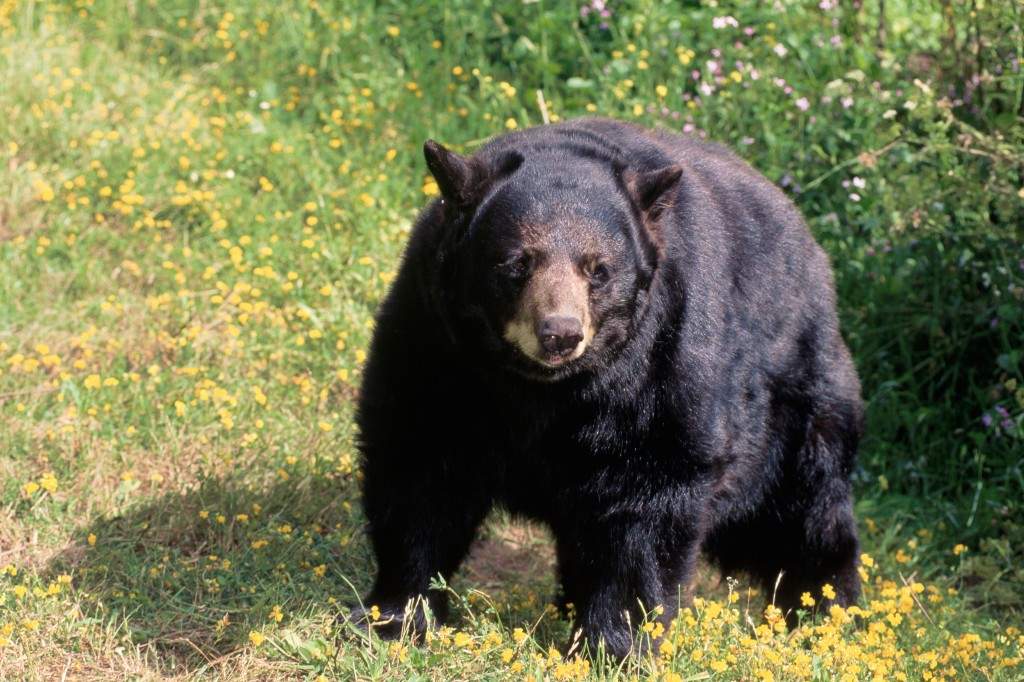
Consider the black bear.
Ursus americanus is generally painted as the timid cousin of the grizzly. Standard wildlife manuals will tell you they are easily startled. They tell you to make yourself big. Wave your arms. Shout in a commanding voice. Clap your hands. Ninety-nine times out of a hundred, the bear looks at this loud, awkward biped and decides the hassle isn't worth it. It turns and melts back into the brush.
That is the statistic. But statistics offer cold comfort when you are the outlier.
The couple had set up camp, the smell of pine needle loam heavy in the cooling night air. The routine of camp life is therapeutic precisely because it is repetitive. Pitch the tent. Filter the water. Start the stove. It mimics the safety of a home, four thin walls of nylon acting as a psychological fortress against the vast, encroaching shadows of the forest.
Then came the rustle. Not the scurrying skip of a ground squirrel or the clumsy stepping of a deer.
Something heavy was moving through the undergrowth.
When the Rules Break
Every animal encounter carries a brief, agonizing window of negotiation. For a few seconds, both species freeze, calculating threat, intent, and escape routes.
When the bear materialized out of the gloom, it didn't follow the script. This wasn't a curious juvenile looking for poorly hung food rations or an easily spooked scavenger. Wildlife officials later noted the animal's behavior was abnormally aggressive. It didn't pause to assess. It charged.
Panic is a chemical flood. When adrenaline hits the bloodstream, the prefrontal cortex—the part of the brain that remembers wildlife brochures and safety tips—shuts down. The body reverts to primal mechanics.
The bear lunged, its massive weight slamming into the couple. In an instant, the peaceful campsite turned into a chaotic, thrashing blur of teeth, claws, and desperate human screams.
To understand the sheer terror of this moment, you have to understand the physical reality of a bear. Even a medium-sized black bear possesses muscular density that makes human flesh feel like paper. Their claws aren't just sharp; they are blunt-force instruments designed for tearing apart rotting logs and overturning boulders. When those claws meet human skin, the damage is immediate, deep, and agonizing.
The husband was pinned. The bear was on top of him, biting at his face and head.
This is where the story shifts from a tragedy to something profoundly human. In moments of absolute crisis, we find out exactly what we are made of. There was no time to formulate a tactical plan, no time to look for bear spray that might have been buried at the bottom of a pack. There was only raw, unfiltered instinct.
Weapons of Circumstance
The wife didn't run.
In the flickering light of the camp, she reached for the nearest objects available. Her hands found two things: a standard plastic water bottle and a small camping hatchet.
It is easy to analyze this from the comfort of a warm room and think about what should have been done differently. Why wasn't the hatchet already in hand? Why use a water bottle? But in the dark, under the crushing weight of a predator, you fight with whatever your fingers touch first.
She began striking the bear.
Imagine the scene. The hollow, useless thwack of a plastic bottle against a thick, fur-covered skull. It did nothing to deter the animal, but it was an expression of defiance. Then, the hatchet.
A camping hatchet is small, often lightweight, meant for splitting kindling for a campfire, not halting a apex predator. But swung with the frantic, terrifying strength of a person watching their partner get mauled to death, it became an equalizer. She struck the bear repeatedly, aiming for the head, trying to find a vulnerable spot through the dense muscle and bone.
The blows began to register. The bear, shocked by the sudden, violent resistance from what it assumed was defenseless prey, shifted its focus. It turned on her.
The fight became a swirling, desperate struggle in the dirt. Blood—both human and animal—slicked the ground. The husband, despite sustaining severe injuries to his face, head, and torso, managed to rejoin the fray. Together, using the hatchet and their bare hands, they fought the animal with a ferocity that matched its own.
They weren't fighting to win. They were fighting for one more breath.
Eventually, the relentless, bloody resistance broke the bear's resolve. Wounded and likely confused by the sheer violence of the counterattack, the animal broke off and disappeared back into the blackness of the trees.
The silence that followed must have been deafening.
The Long Road Back
The fight was over, but the survival ordeal was just beginning.
Winning a fight with a bear doesn't mean you walk away clean. The husband was bleeding heavily from multiple deep lacerations. The couple was miles from the nearest road, deep in the rugged terrain of Trinity County, with no cell service and a wounded, angry predator potentially lingering just outside the radius of their failing flashlights.
Every step out of those woods was a triumph of human will.
They had to pack what they could, patch the wounds as best they could in the dark, and begin the grueling trek back to civilization. Shock does strange things to the body. It numbs the pain initially, but it also saps the strength, leaving the limbs heavy and the mind clouded. Every shadow looked like a returning bear. Every snap of a twig was a potential second ambush.
When they finally reached a point where they could summon help, emergency services responded with the urgency the situation demanded. The husband was airlifted to a trauma center. The physical wounds would require extensive stitching and surgeries to repair. The psychological wounds would take much longer.
Wildlife officers immediately recognized the severity of the incident. An aggressive bear that attacks a human campsite without provocation is a permanent danger. A search team was deployed to track the animal. Using the blood trail left behind from the hatchet wounds, they located the bear a short distance from the campsite. It was euthanized, and subsequent necropsies were ordered to determine if disease or starvation had driven its unprecedented aggression.
The Lessons in the Scars
What do we take away from a story like this?
It is easy to dismiss it as a freak occurrence. It is true that bear attacks are exceptionally rare. You are statistically more likely to be struck by lightning than to be mauled by a black bear in California. But statistics are a comfort only to those who remain untouched by them.
The real takeaway isn't that nature is evil, or that we should stop exploring the wilderness. The takeaway is a sobering reminder of our own fragility and the responsibility that comes with crossing the threshold into the wild.
The wilderness is beautiful because it is untamed. But untamed means dangerous.
When we pack our bags for the mountains, we need to move past the romanticized, postcard version of nature. We need to carry the tools that can save our lives, and more importantly, we need to know how to use them under pressure. Bear spray should never be at the bottom of a pack; it should be on a holster, accessible within two seconds. Food must be secured flawlessly, not just for our safety, but to prevent bears from becoming habituated to humans in the first place.
But beyond the logistics, the story of this California couple is a testament to the stubborn, unyielding nature of the human spirit. When stripped of every modern luxury, cornered in the dark, and faced with overwhelming force, they didn't give up. They used a piece of plastic and a small blade of steel to claw their way back to the land of the living.
The next time you sit by a campfire and look out into the darkness where the tree line meets the night sky, remember their story. Respect the shadows. Understand that the woods are alive, they are watching, and they do not play by our rules.