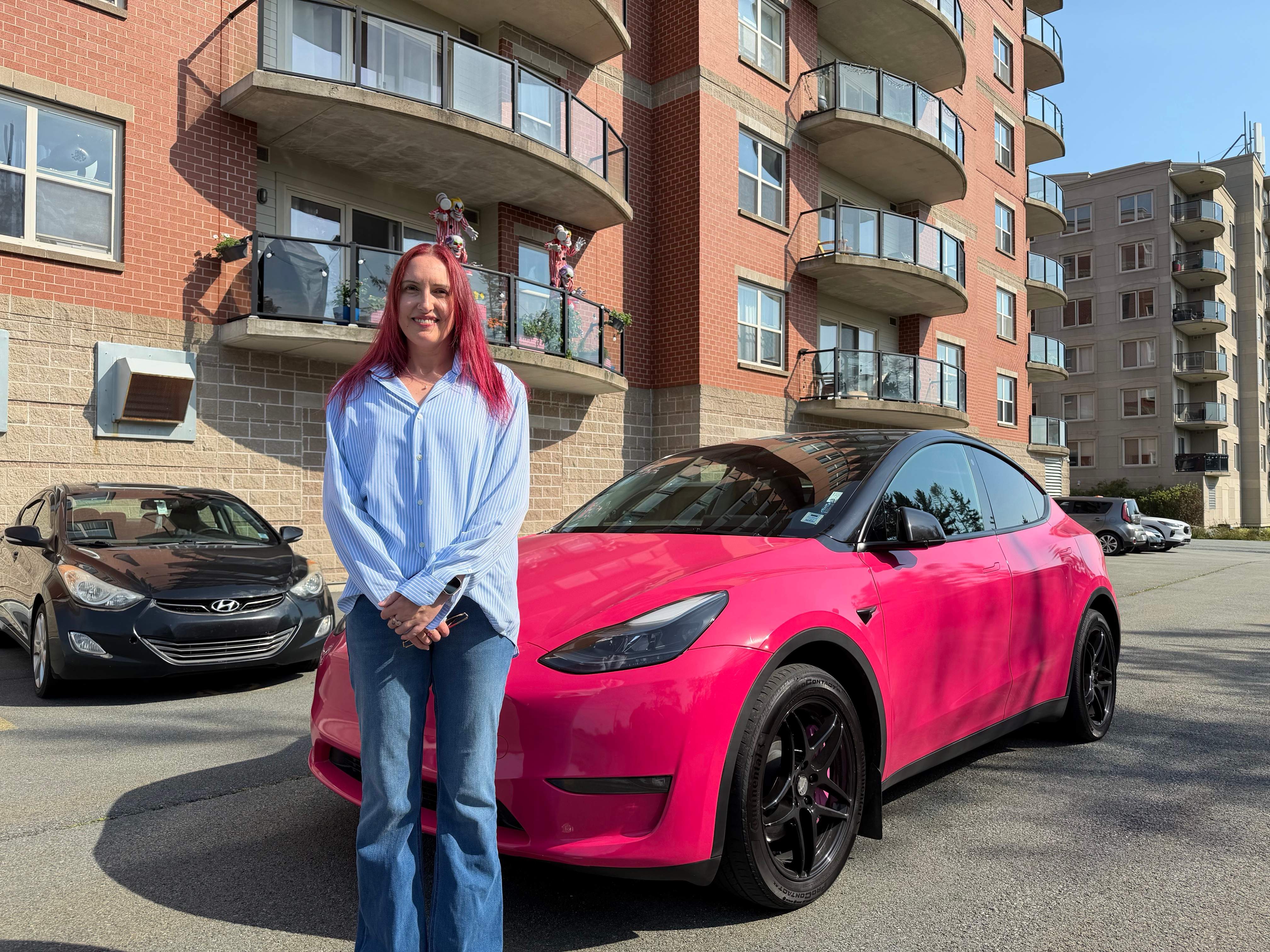
Owning an electric car in Canada just got a lot more complicated. Nova Scotia rolled out a hefty $500 fee for battery-electric vehicles and a $250 fee for plug-in hybrids during every two-year registration renewal. On paper, the province argues that electric vehicle drivers need to chip in for highway maintenance since they bypass the traditional gas tax. In reality, this move exposes a messy patchwork of provincial policies crashing hard against national green targets.
If you are thinking about making the switch or already sit behind the wheel of an EV, the math is changing fast. Let's look at why these new registration charges are triggering fierce debate from coast to coast.
The Road Tax Problem Everyone is Ignoring
For decades, provincial and federal highway budgets relied on a simple formula. You buy gas, you pay a per-litre tax at the pump, and that money theoretically goes into paving roads and fixing potholes. Electric vehicles break that old model. Because EVs run on electricity, owners don't visit gas stations, meaning they pay nothing into the highway maintenance fund.
Governments panic when revenue streams dry up. Nova Scotia's finance department expects this new levy to pull in roughly $1.9 million annually from the province's estimated 5,500 EVs and 4,500 plug-in hybrids.
Fair contribution or a cash grab? That depends on who you ask.
Critics point out a glaring flaw in flat-fee models. A flat $500 every two years charges the exact same amount to someone commuting five kilometers a day as it does to a commercial courier driving fifty thousand kilometers annually. Traditional gas taxes scale directly with usage—the more you drive, the more you pay. Flat EV fees ignore actual road wear entirely.
How Nova Scotia Compares to the Rest of Canada
Nova Scotia isn't acting in a vacuum. Provinces across the country are scrambling to invent their own rules for electric vehicles, creating a confusing landscape for drivers who cross provincial borders.
Saskatchewan led the charge by introducing a $300 annual fee for electric vehicles. Alberta followed up with a $200 annual charge. Meanwhile, Quebec plans to introduce a $125 annual fee. Ontario and British Columbia currently handle things differently, leaning heavily on incentives without adding punitive registration penalties yet.
This creates a fragmented system where owning an eco-friendly vehicle comes with wildly different financial penalties depending entirely on your postal code.
Drivers are left scratching their heads. The federal government spends billions offering purchase rebates to convince citizens to ditch fossil fuels. At the same time, provincial governments slap extra taxes on those exact same vehicles at registration. Ottawa wants zero-emission sales targets met by 2035, but provincial roadblocks are making the journey unnecessarily bumpy.
The Chill on Consumer Adoption
Dealerships are already feeling the friction. When prospective buyers sit down to calculate the total cost of ownership, unexpected fees introduce hesitation.
Buying an electric vehicle requires a higher upfront investment. While owners save money on oil changes and electricity versus gasoline, slapping a hefty biennial bill on registration stretches the payback period. For average families staring down inflation and high interest rates, every extra hundred dollars matters.
Advocates argue that penalizing early adopters sends the wrong message. Transitioning a national fleet away from combustion engines requires momentum, not sudden financial speed bumps. When policies clash between levels of government, consumer confidence takes the hit.
Moving Toward a Fairer Solution
If flat-fee levies are blunt instruments, what is the alternative? Experts suggest that road-pricing models based on actual mileage—tracked via odometer readings during annual inspections—would be far more equitable. If you drive less, you pay less. If you tear up the highway daily, you pay more.
Until Canada develops a standardized, national strategy for road funding, drivers will bear the brunt of these disjointed provincial policies. Check your local renewal notices closely, factor these regional levies into your vehicle budget, and expect plenty more policy shifts before the 2035 targets roll around.