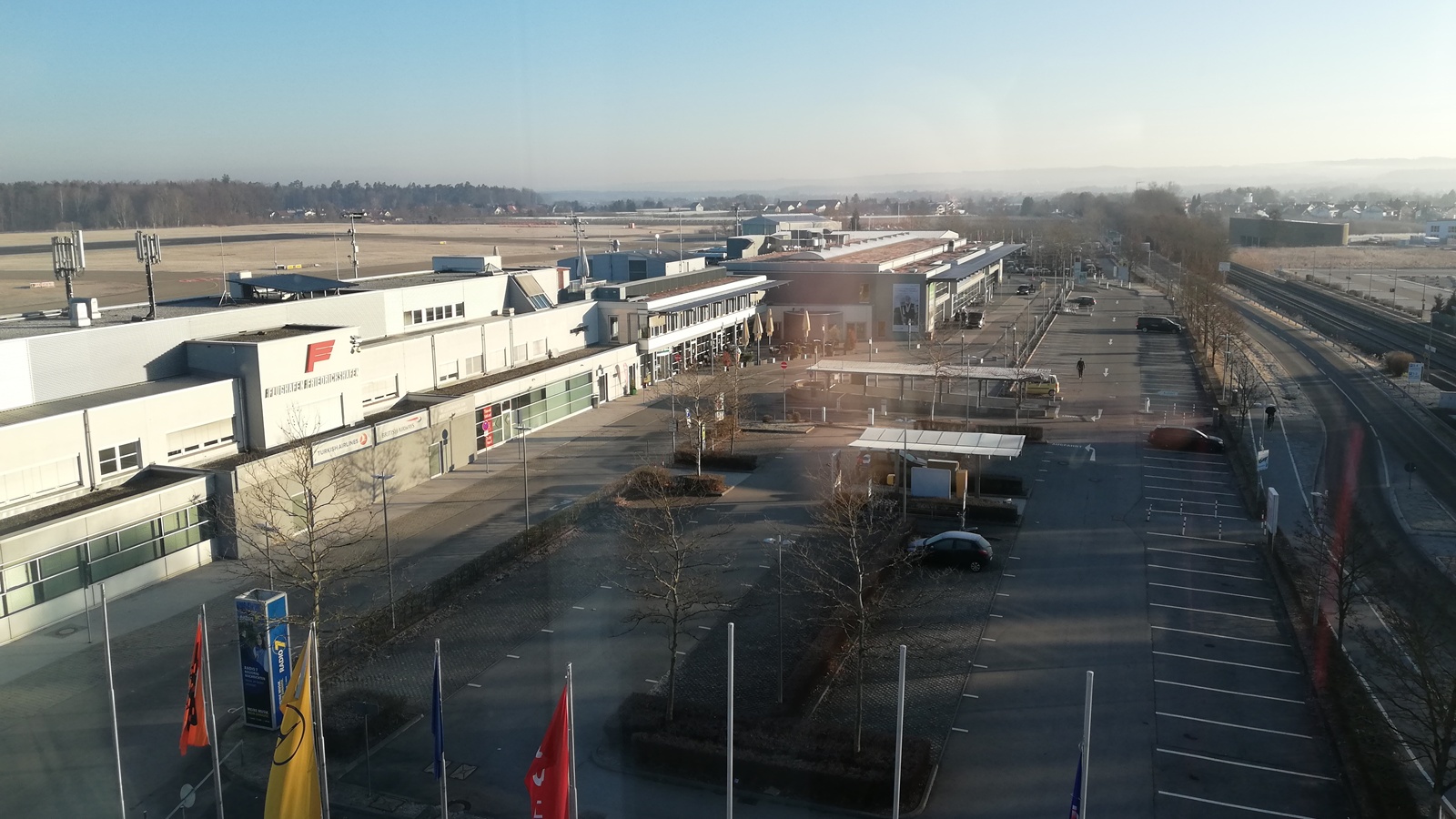
Germany's Nuremberg Airport suspended all commercial and cargo flights after a sudden aviation emergency, laying bare the razor-thin operational margins governing European regional transit infrastructure. When flights ground to an abrupt halt, the immediate headlines focus on delayed passengers and canceled itineraries. But the real story lives underneath the tarmac. Regional hubs operate under financial pressures that leave little room for systemic shock.
The Anatomy of a Sudden Shutdown
Emergency protocols at secondary airports like Nuremberg are rarely triggered by routine maintenance failures. Instead, they point to cascading vulnerabilities in air traffic control integration, local security mandates, and aging municipal utility grids that keep modern terminals functioning. You might also find this similar article insightful: The Political Mechanics of Wartime Accountability and Governance.
When authorities issued the suspension order, flights vanished from radar feeds within minutes. Planes holding on runways were forced back to gates. Passengers found themselves stranded without immediate explanation, staring at departure boards suddenly wiped clean.
This disruption was not an isolated freak occurrence. European regional aviation is squeezed between strict environmental regulations, rising municipal security costs, and stagnant landing fee revenues. Airports handling under ten million passengers annually operate with skeletal ground crews and automated systems designed for routine flow, not sudden crisis management. As reported in latest articles by USA Today, the results are notable.
Behind the Closed Terminal Doors
Airports function as hyper-regulated micro-cities. A breakdown in any single sector forces a total operational lockdown.
- Ground Infrastructure Strain: Legacy terminals often rely on centralized power feeds shared with municipal grids, making them vulnerable to unexpected local disruptions.
- Staffing Shortages: European aviation has hemorrhaged experienced operational personnel since the pandemic, leaving fewer certified supervisors on duty to manage sudden anomalies.
- Regulatory Compliance: Modern aviation rules dictate that any ambiguity in safety validation requires an immediate, total halt rather than a managed slowdown.
When Nuremberg went dark, the cascading effect hit European hubs from Frankfurt to Munich within hours. Aircraft scheduled for evening rotations were trapped out of position. Crew members timed out against strict European Union flight duty limitations.
The Economic Ripple Effect
Airlines budget for weather delays and routine technical snags. They do not budget for airports shutting their doors entirely without warning.
Carriers operating out of Nuremberg, including major low-cost operators and regional feeders, absorb millions of euros in rebooking costs, passenger compensation under EU261 regulations, and repositioning fees. These losses do not vanish. They trickle down into higher ticket prices across secondary European routes and force carriers to reevaluate the financial viability of smaller secondary markets.
If an airport can be crippled by an unexpected operational crisis within seconds, airline network planners start asking hard questions about long-term station commitments. Secondary cities fight hard to attract air service to boost local tourism and corporate investment. Incidents like this remind corporate boards that regional convenience comes with a high volatility tax.
Systemic Vulnerabilities Across the Continent
Nuremberg is a symptom of a broader continental malaise. European aviation infrastructure is aging. Decades of deferred capital expenditure by municipal owners have left baggage handling systems, emergency response loops, and perimeter security grids operating on borrowed time.
Governments push for greener, more efficient skies while cutting the public subsidies that historically maintained secondary municipal airfields. Private operators brought in to manage these facilities often trim operational redundancy to satisfy margin requirements.
When every department operates at minimum staffing and equipment levels to preserve cash, a localized emergency becomes a total administrative paralysis.
The silence over Nuremberg's runways did not last forever. Flights eventually resumed. Security clearances were re-established. Terminal doors reopened to queues of frustrated travelers. But the fundamental fragility remains unaddressed, waiting for the next unexpected trigger to plunge another regional hub back into darkness.