If you think a stroll through the grand galleries of Manhattan's Upper East Side is entirely safe, you might want to look up at the rooftops. A silent, microscopic threat has been drifting through the air of one of the wealthiest neighborhoods in the world. The ongoing NYC Legionnaires' disease outbreak has brought public health tactics, political clashes, and iconic cultural landmarks under intense scrutiny.
When news broke that the Metropolitan Museum of Art and the Guggenheim Museum tested positive for the bacteria that causes this severe form of pneumonia, it felt like a plot from a thriller. It isn't fiction. Sixty-three people have fallen ill. Forty-nine have been hospitalized. While the city reports that the pace of new cases is finally slowing, the situation exposes massive vulnerabilities in how we maintain big buildings and protect the public.
You deserve to know what is actually happening. This isn't just about a few positive tests at famous museums. It is about a recurring urban threat, the science of municipal water systems, and how to keep yourself safe when the air you breathe carries a hidden risk.
The Hidden Threat in the City Air
Legionnaires' disease is not a new problem for New York, but it always shocks the system when it hits a wealthy enclave. This particular cluster focused heavily on three ZIP codes on the Upper East Side: 10028, 10128, and 10075. These areas encompass highly residential neighborhoods like Carnegie Hill and Yorkville.
What is actually happening on the Upper East Side
The outbreak first came to light on July 2, 2026, when health investigators noticed two cases of Legionnaires' disease in close physical proximity. By mid-July, that number ballooned to over 60 cases.
For weeks, anxiety has simmered. People wanted to know where the bacteria came from. Health officials scrambled to inspect every single cooling tower in the designated zone—183 towers in total. What they found was alarming. Seventy-five of those towers tested positive for traces of Legionella bacteria. That means roughly 40% of the inspected systems in this zone had the potential to spread the pathogen.
The silver lining is that no one has died in this current outbreak. That is a massive relief, especially when you compare it to last year's outbreak in Harlem. In that instance, more than 100 people got sick, and seven tragically died. The Harlem source was eventually traced back to cooling towers at a city-run hospital and the construction site of the city's own public health lab. The irony was thick, and the lessons from it are still being learned.
Why the Met Museum and Guggenheim made the list
Hearing that the Metropolitan Museum of Art has Legionella bacteria in its systems sounds terrifying. The Met is an absolute titan, welcoming millions of visitors. When the city released its list of positive buildings, the Met was right there alongside the Guggenheim, private schools, and luxury apartment buildings on Fifth Avenue and Park Avenue.
We need to be precise here. The Met did not necessarily make anyone sick.
The positive test came from a cooling tower on the roof. These towers are part of the massive industrial HVAC systems required to keep these gargantuan buildings at a comfortable temperature and protect priceless art. The city health department clarified that a positive test on a cooling tower does not mean that specific building is the source of the outbreak.
The Met quickly shut down for its scheduled Wednesday maintenance, canceled non-essential activities, and had staff work remotely while commercial cleaning crews moved in to disinfect the system. The museum reopened quickly, and public health experts repeatedly stressed that visitors inside the museum were never at risk. The air inside the galleries is separated from the mist of the cooling towers on the roof. The Guggenheim took similar swift action, disinfecting its Frank Lloyd Wright-designed facility without even closing its doors to the public.
How Modern Architecture Breeds Ancient Bacteria
To understand why this keeps happening in New York, you have to understand the technology keeping our steel-and-glass towers cool. It is a brilliant system of thermodynamics, but it has a dangerous biological flaw.
The mechanics of a cooling tower
A cooling tower is basically a giant heat rejection device. It uses water to absorb heat from the building's air conditioning system and discharges it into the atmosphere. The system sprays warm water down through the tower while fans blow air upward. This causes a small amount of the water to evaporate, which cools the remaining water.
This process creates a fine, warm mist.
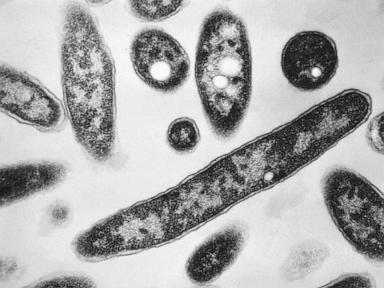
If Legionella bacteria are present in the water, they hitch a ride on those microscopic water droplets. The giant fans blast this mist out into the open air of the city. Anyone walking by, sitting on a balcony, or opening a window nearby can inhale these droplets. Because the bacteria thrive in warm, stagnant water, an unmaintained cooling tower is essentially a giant incubator and aerosol distributor for a dangerous pathogen.
It does not affect municipal drinking water. You cannot get Legionnaires' disease from drinking a glass of tap water in New York. You also cannot catch it from another person. It is strictly an environmental threat, contracted by breathing in contaminated water vapor.
First round tests versus live bacteria
One of the reasons the positive list of buildings was so long—75 buildings—is due to the specific testing method the city used.
In past outbreaks, the Health Department would conduct initial tests, then wait for a second, more specific culture test to confirm if the bacteria were alive and capable of causing infection. This second test takes about two weeks.
Waiting two weeks during an active outbreak is a luxury the city decided it could no longer afford. Under Health Commissioner Dr. Alister Martin, the city changed its playbook. This year, if a building tested positive in the first round—even if the test only detected dead bacterial DNA or trace amounts—the city ordered immediate remediation.
It is a hyper-aggressive approach. It means some building owners had to scramble to drain and chlorinate their systems based on what might have been harmless, dead bacteria. But from a public health perspective, it is the only logical choice. You don't wait for the fire to spread while you verify the exact type of fuel.
The Political Clash Behind the Scenes
When a disease outbreak hits one of the most affluent neighborhoods in America, politics inevitably enters the equation. The Upper East Side is home to influential, wealthy, and highly vocal residents. They do not like being kept in the dark, and they certainly do not like finding out their luxury high-rises are harboring respiratory pathogens.
Communication delays and local frustration
City Council Speaker Julie Menin, who represents the Upper East Side, publicly criticized the Health Department. She argued that the city was not sharing information quickly or transparently enough with the community.
Residents were finding out about positive cases in their own apartment buildings from media leaks rather than official city channels. When you are dealing with a disease that has a 10% mortality rate according to the CDC, people want instant, clear communication.
The Health Department defended its rollout. They pointed out that they were dealing with an incredibly complex, rapidly evolving screening process. Blasting out a list of 75 buildings without context could easily trigger a mass panic, causing thousands of healthy people to clog local emergency rooms.
A shift in public health tactics
The real story here is the quiet shift in how New York handles these crises. After the Harlem disaster, the city realized its reactive stance was failing.
Now, we see a much faster mobilization. The city forced building owners to comply with strict remediation deadlines. Buildings that tested positive had only days to complete a heavy-duty chemical flush. By mid-July, the vast majority of the 75 flagged buildings had already completed their cleanups, with the remainder ordered to finish immediately.
This aggressive stance is likely why the case count has leveled off. We went from seeing as many as 11 new diagnoses a day down to just one or two. The system worked, but the friction between local politicians and city health bureaucrats shows that the communication strategy still needs a major overhaul.
Who Is Truly at Risk and How to Protect Yourself
If you live in New York, work on the Upper East Side, or frequently visit its cultural institutions, you should not panic. But you must be smart.
Identifying the key risk factors
Most healthy people exposed to Legionella do not get sick. If they do, they might only develop a mild, flu-like illness called Pontiac fever. However, for certain groups, exposure can quickly turn into severe, life-threatening pneumonia.
The risk increases dramatically if you fall into any of these categories:
- You are age 50 or older.
- You are a current or former smoker, or you vape regularly.
- You have a chronic lung condition like COPD or asthma.
- You have chronic heart, kidney, or liver disease.
- Your immune system is weakened by medication, chemotherapy, or an underlying health condition.
If you fit this profile and you have spent time on the Upper East Side since late June, you need to monitor your health closely.
Recognizing the symptoms before they escalate
Legionnaires' disease looks exactly like many other respiratory infections at first. It is incredibly easy to mistake it for a bad summer cold, the flu, or COVID-19. Symptoms typically show up anywhere from two days to two weeks after you inhale the bacteria.
Keep a close eye out for:
- A sudden high fever and chills
- A persistent, hacking cough
- Shortness of breath or chest pain when you breathe
- Severe muscle aches and headaches
- Confusion or other mental changes, especially in older adults
- Gastrointestinal symptoms like nausea, vomiting, or diarrhea
If you develop these symptoms, do not sit at home hoping they will pass. Go to a doctor or an urgent care clinic immediately. Tell them explicitly that you have been in an area with an active Legionnaires' disease outbreak. This detail is crucial because doctors do not routinely test for Legionella unless they have a reason to suspect it.
When caught early, the disease is highly treatable with standard antibiotics. The danger lies in delay.
As a resident or property manager in the city, the most effective action you can take is ensuring your building's water systems are regularly maintained and tested. Do not view compliance as a bureaucratic chore. Those cooling towers on our roofs keep us comfortable, but without constant vigilance, they can easily turn into silent, airborne hazards. Keep your systems clean, pay attention to local health advisories, and act immediately if symptoms arise.