The political press corps treats the announcement of a new presidential press secretary like the unveiling of a franchise quarterback. Pundits dissect past TV hits, decode body language, and debate whether a newly minted communications chief is a "devoted fan" or a shrewd institutionalist. It is a masterclass in missing the forest for a plastic leaf.
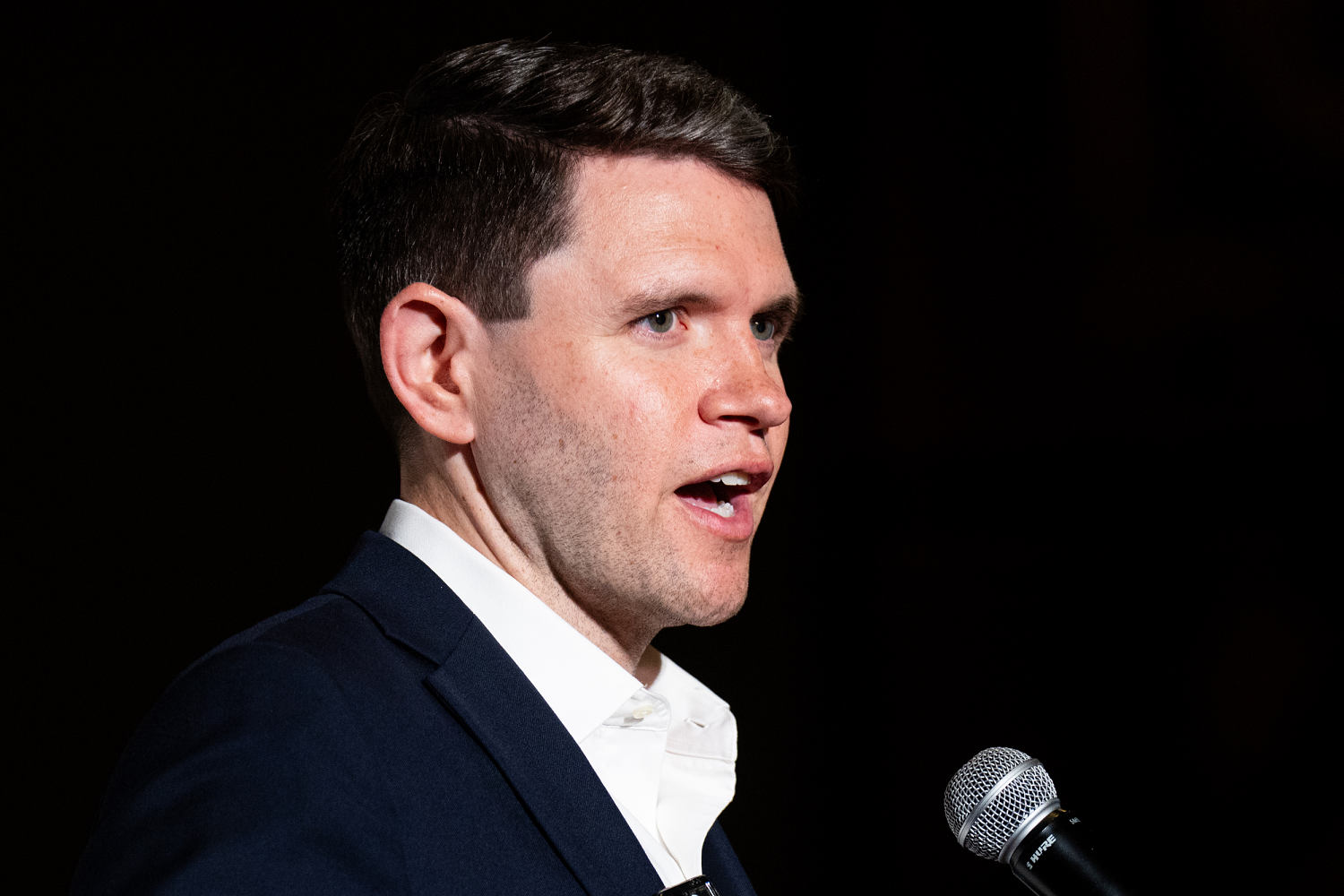
When headlines blare about appointments like Katie Zacharia stepping into the White House briefing room, the consensus narrative assumes this person will dictate the narrative, manage the media ecosystem, and steer political outcomes.
That view is dangerously naive.
I have watched administrations rise and stall from the inside, and I can tell you flatly: the press secretary is not a strategist. They are a human shield. Focusing on who stands behind that blue-sealed podium is the exact equivalent of analyzing the paint job on a bulldozer while ignoring the person steering the tracks.
The Myth of the Message Master
The lazy consensus in modern political journalism is that a sharp tongue or a loyal background makes a press secretary powerful. The argument goes that a fierce defender of the principal can browbeat reporters, shift blame, and win the daily news cycle.
This is backward.
A press secretary does not create reality; they absorb the shockwaves of reality. If the underlying policy is bleeding, no amount of rhetorical gymnastics from the podium will stop the hemorrhage. The job is an exercise in damage mitigation, not momentum creation. When an administration chooses a loyalist over an independent policy heavyweight, they are signaling a preference for obedience under fire over strategic course correction.
Consider the structural mechanics of modern political communication. The briefing room is no longer where news is broken; it is where gladiators go to score clip-reel points for cable news and social media algorithms. The reporters want a viral confrontation. The administration wants a deflections checklist. Both sides are playing a script written twenty years ago, long before fragmented digital media turned the entire enterprise into a series of 15-second TikTok wars.
Why Loyalty Trumps Competence Every Single Time
Critics love to bemoan the appointment of political true believers to critical communications roles, arguing that competence should outrank ideological purity.
That critique misunderstands what the executive branch actually values.
In a hyper-polarized environment, institutional competence without absolute personal alignment is viewed as an existential threat by West Wing chiefs of staff. A press secretary who knows policy inside and out but lacks total ideological lockstep is a leak risk waiting to happen. They will hesitate when asked to spin a collapsing legislative package or a sudden diplomatic blunder.
Loyalty isn't just a nice-to-have resume bullet in high-stakes politics. It is the primary currency of survival. When a crisis breaks at 4:00 AM, the last thing an embattled chief executive wants is a communications director consulting their internal conscience or worrying about their post-administration book deal. They want someone who will look a room full of hostile journalists in the eye and defend an indefensible talking point without blinking.
Is it good for democratic transparency? Absolutely not. But pretending that the White House press office is a neutral civic institution rather than an aggressive political combat zone is intellectual dishonesty.
Stop Looking at the Podium
If you want to understand where an administration is actually heading, ignore the daily briefing entirely. Stop watching the sparring matches over syntax, non-answers, and bruised journalistic egos.
Look instead at the personnel choices in the Office of Management and Budget. Look at the regulatory appointments slipping through the Senate confirmation process without media fanfare. Look at where the capital allocation is moving behind closed doors. That is where power resides.
The press secretary is the distraction. They are the shiny object deployed to keep the commentariat busy while the real machinery of governance grinds forward out of sight.
Next time a media outlet breathlessly breaks down a new communications hire, remember what you are actually watching. It is not the architect of a new political era taking the stage. It is a human sacrifice sent out to absorb the daily lightning so the people with real leverage can keep working in the dark.