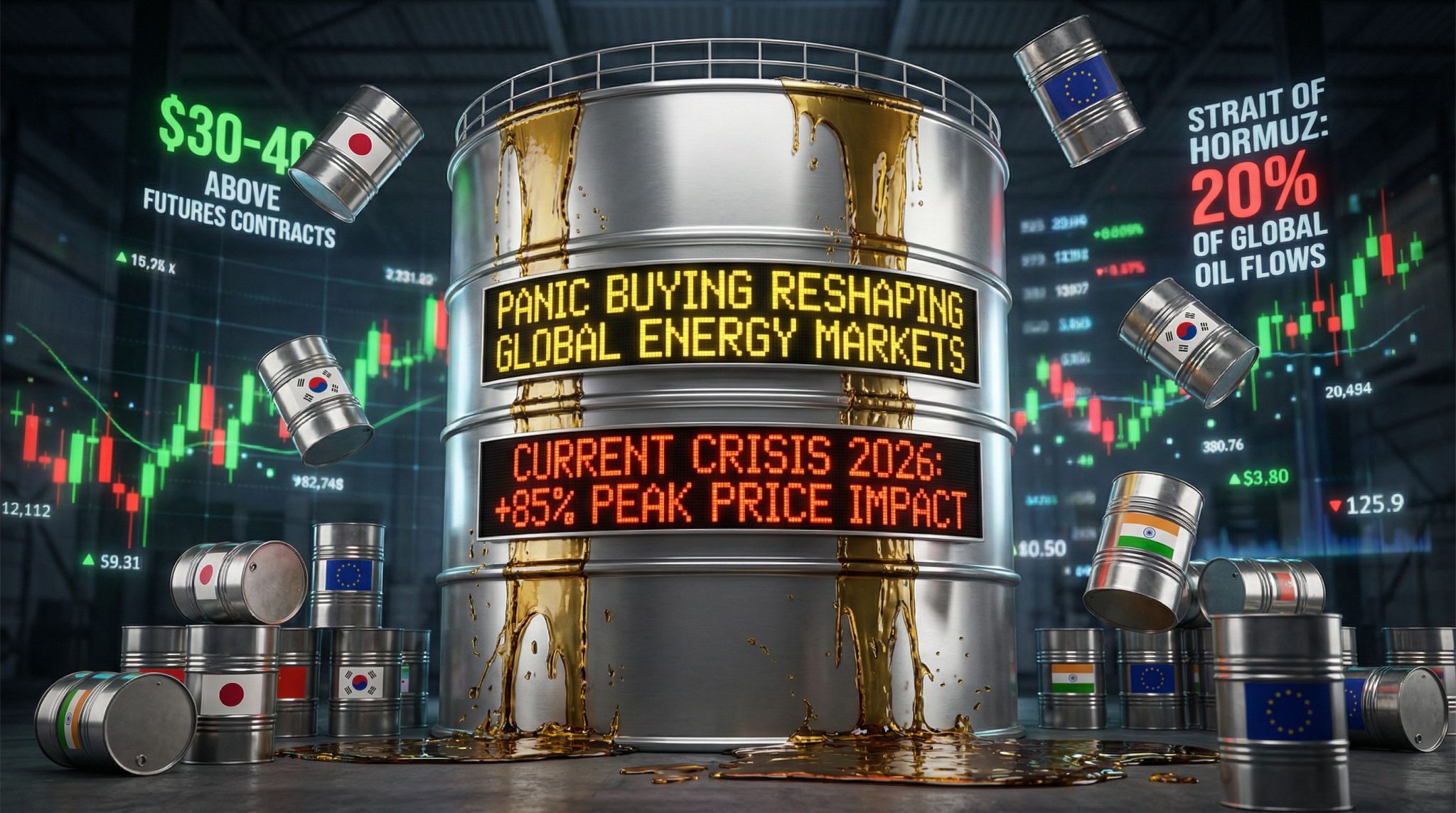
Stop looking at the flashing red headlines about Houthi drones near Jizan and clutching your portfolio. You are being conditioned to react to noise, not signal. Every time a rag publishes a breathless account of a "third attack on an Aramco refinery," retail traders lose their shirts by betting on phantom supply shocks.
Here is the inconvenient truth the mainstream financial press refuses to touch: Saudi Arabia’s energy infrastructure is not the fragile glass house they want you to believe it is.
I have watched companies burn millions chasing short-term volatility based on these geopolitical "scoops." The reality is simple. Saudi Aramco operates a massive, sophisticated network. A few low-budget drones causing a PR headache is not the same as a material impact on global crude flows. When these reports hit, the market reaction is almost always a knee-jerk correction that ignores the fundamentals of storage, spare capacity, and the actual utility of these specific facilities.
The Myth Of The Vulnerable Refinery
The "lazy consensus" argues that each Houthi claim represents a hit to global production. This is technically and logically flawed. You must distinguish between a target and a casualty.
Imagine a scenario where a drone hits an outer perimeter fence or a non-critical storage unit. The media reports it as an "attack on an Aramco refinery." It drives clicks. It drives futures volatility. But look at the output data. Does the flow stop? Rarely. The Jizan refinery, for instance, has a massive capacity—250,000 barrels per day—but it is designed with redundancy that would make most Western industrial operations blush.
The market has been conditioned to treat these claims as equivalent to the Abqaiq-Khurais attacks of 2019. That was a systemic event. These current incidents are skirmishes. The distinction is everything.
Dismantling The Panic
People ask if we are facing a supply crisis because of these regional tensions. The answer is no. If you are basing your trading strategy on "supply concerns" from these specific news cycles, you are fighting a ghost.
The global oil market is currently shaped by U.S. inventory builds and demand forecasts that dwarf the temporary jitters of a regional skirmish. The recent, sudden spike in U.S. commercial crude inventories—up 17.4 million barrels in a single week—is a far more significant price driver than any claim issued by a military source in Sanaa.
I’ve seen the "analysts" who scream that the Strait of Hormuz is closing every time a tanker gets nudged. They are wrong. It’s a mechanism of control, not a sudden switch. Iran and its proxies use these incidents as diplomatic theater. It’s not about burning oil; it’s about signaling. Understanding that this is theater, not warfare, is the only way to avoid being a liquidity provider for institutional desks that know exactly when the headlines are empty.
How To Actually Read The Market
Stop reading the title and start reading the spread.
- Verify the damage, not the claim. If Saudi authorities haven't confirmed a material impact, assume zero loss of output.
- Watch the Brent-WTI spread. If these attacks were actually disrupting global supply chains, you would see immediate, sustained decoupling. Instead, you see temporary dips followed by quick corrections as the market realizes the supply hasn't actually moved.
- Ignore the #oil hashtag. Any information that comes with a social media hashtag is designed for sentiment manipulation, not analysis.
My approach isn't for the faint of heart. It requires ignoring the blaring sirens of the "breaking news" industrial complex. Yes, the downside is that you might miss a legitimate tail-risk event if you become too cynical. But the upside is far higher: you stop paying the "panic tax" that every other amateur in the market is paying.
The world is not ending. The oil is still flowing. Stop checking the headlines and start checking the inventory reports. The math doesn't lie, but the news cycle is built on a foundation of deception.
Trade the reality, not the narrative. The market will reward you for it.
Understanding recent Houthi drone strikes in Saudi Arabia
This video provides essential context on the recent Houthi claims regarding Saudi energy infrastructure and highlights why these reports often lack official confirmation.