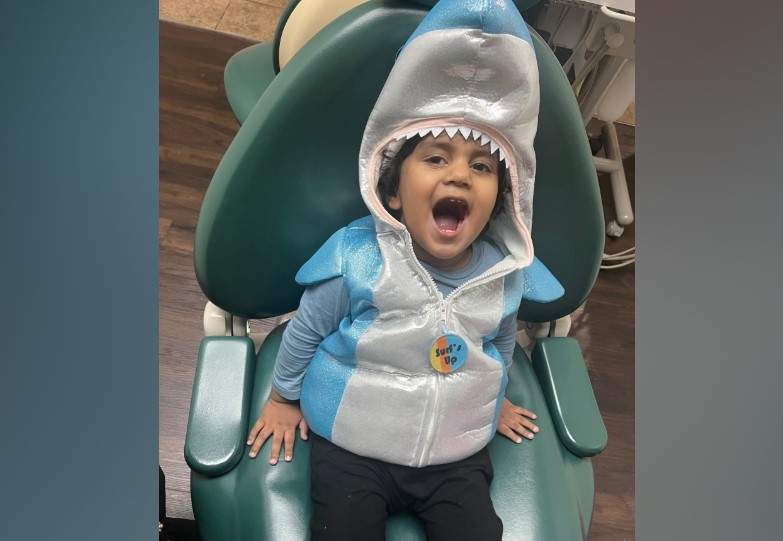
Parents will do anything to save their kids. It is a cliché because it is true. When Andrew and Rachel Kunz found out their young son, Benson, had a rare genetic mutation, they did not just sit around waiting for a miracle. They laced up their running shoes and started walking.
They covered 120 kilometers across British Columbia. That is a massive physical toll. They did it to raise awareness and bring in crucial funding for a gene therapy that could change Benson’s life. It is the kind of story that breaks your heart and makes you want to open your wallet at the same time.
But behind the headlines of this grueling trek lies a much bigger, more frustrating reality. Rare disease funding in Canada is broken. Families are forced to resort to extreme physical stunts just to get the medical world to notice them.
The Reality of SPG56 and the Fight for Benson
Benson suffers from Spastic Paraplegia Type 56, or SPG56. It is an incredibly rare neurodegenerative disorder. Most people have never heard of it. Honestly, many doctors have not either. It progresses over time, causing muscle stiffness, loss of motor skills, and severe developmental delays.
http://googleusercontent.com/image_content/193
The clock ticks loudly for kids with SPG56. The sooner they get treatment, the better their chances of living a normal life. The solution exists, or at least, the science does. Gene therapy can target the root cause of the disorder, replacing the faulty gene with a working one.
Here is the catch. Developing custom gene therapies costs millions of dollars. Drug companies do not rush to fund research for diseases that affect only a handful of children worldwide. There is no massive profit margin in it for them. That leaves the financial burden squarely on the shoulders of parents.
The Kunz family set a massive fundraising goal to help fund a clinical trial for SPG56. Walking 120 kilometers from their community to raise these funds was not a symbolic gesture. It was a desperate, calculated move to keep their son from losing his ability to move.
The True Cost of Custom Gene Therapies
We hear about million-dollar drugs and assume the price is just corporate greed. Sometimes it is. But with custom gene therapies, the science itself is wildly expensive.
Every single dose requires specialized laboratory work. Researchers must engineer a harmless virus to carry the healthy gene into the patient's cells. The manufacturing standards are incredibly strict. A single mistake can ruin a batch worth hundreds of thousands of dollars.
Organizations like the National Institutes of Health and various global rare disease foundations note that bringing a new gene therapy to a clinical trial stage regularly tops several million dollars. When a disease affects fewer than a hundred kids globally, you cannot spread those development costs across millions of consumers.
Parents of children with rare conditions face a double trauma. First, they get a devastating diagnosis. Second, they receive a bill for a cure that no regular family can afford.
Why Crowdfunding Is a Terrible Way to Fund Healthcare
GoFundMe has become the unofficial safety net of the modern medical system. It is inspiring to see communities rally around families like the Kunzes. People chip in twenty bucks here, a hundred bucks there. The total climbs.
But relying on viral charity is a terrible system. It creates a popularity contest for survival.
What happens to the families who do not have a media-savvy network? What about the parents who cannot take a week off work to walk 120 kilometers because they are working two jobs just to pay for custom wheelchairs and specialized physical therapy? Their kids deserve a cure just as much.
Canada talks a big game about universal healthcare. Yet, when it comes to cutting-edge genetic medicine, the system lags far behind. The drug approval pipeline in Canada is notoriously slow. Even when Health Canada approves a therapy, provincial drug plans often drag their feet for months or years before deciding to cover it.
What Needs to Change in Rare Disease Healthcare
We need a structural shift in how we handle rare genetic conditions. We cannot keep asking exhausted, grieving parents to act as full-time fundraisers, event coordinators, and public relations experts while managing their child's deteriorating health.
Several medical advocacy groups suggest three concrete changes to fix this system.
First, we need pooled international research funding. No single country has enough patients with SPG56 to justify a massive domestic research budget. International collaborations can share the financial risk and speed up human trials.
Second, regulatory bodies need fast-track approval lanes for genetic therapies. If a therapy shows clear success in early trials for terminal or highly debilitating conditions, bureaucratic delays cost lives.
Third, public healthcare systems must establish dedicated rare disease funds that do not rely on standard cost-effectiveness formulas. You cannot evaluate a drug for a population of ten people the same way you evaluate a new blood pressure medication for millions.
How to Support the Cause Right Now
If you want to help families dealing with conditions like SPG56, you can take direct action today.
Do not just read the story and feel bad. Search for active foundation pages dedicated to SPG56 research and contribute directly to the science. Funding the underlying research speeds up the timeline for every child affected by this mutation.
Write to your provincial and federal elected officials. Ask them why Canada still lacks a fully funded, streamlined national strategy for rare diseases that ensures fast access to genetic therapies.
Keep sharing these stories. Public pressure is often the only thing that moves slow regulatory bodies to approve clinical trials and fund experimental treatments. The Kunz family walked their kilometers. Now the rest of the community needs to step up and carry the rest of the load.