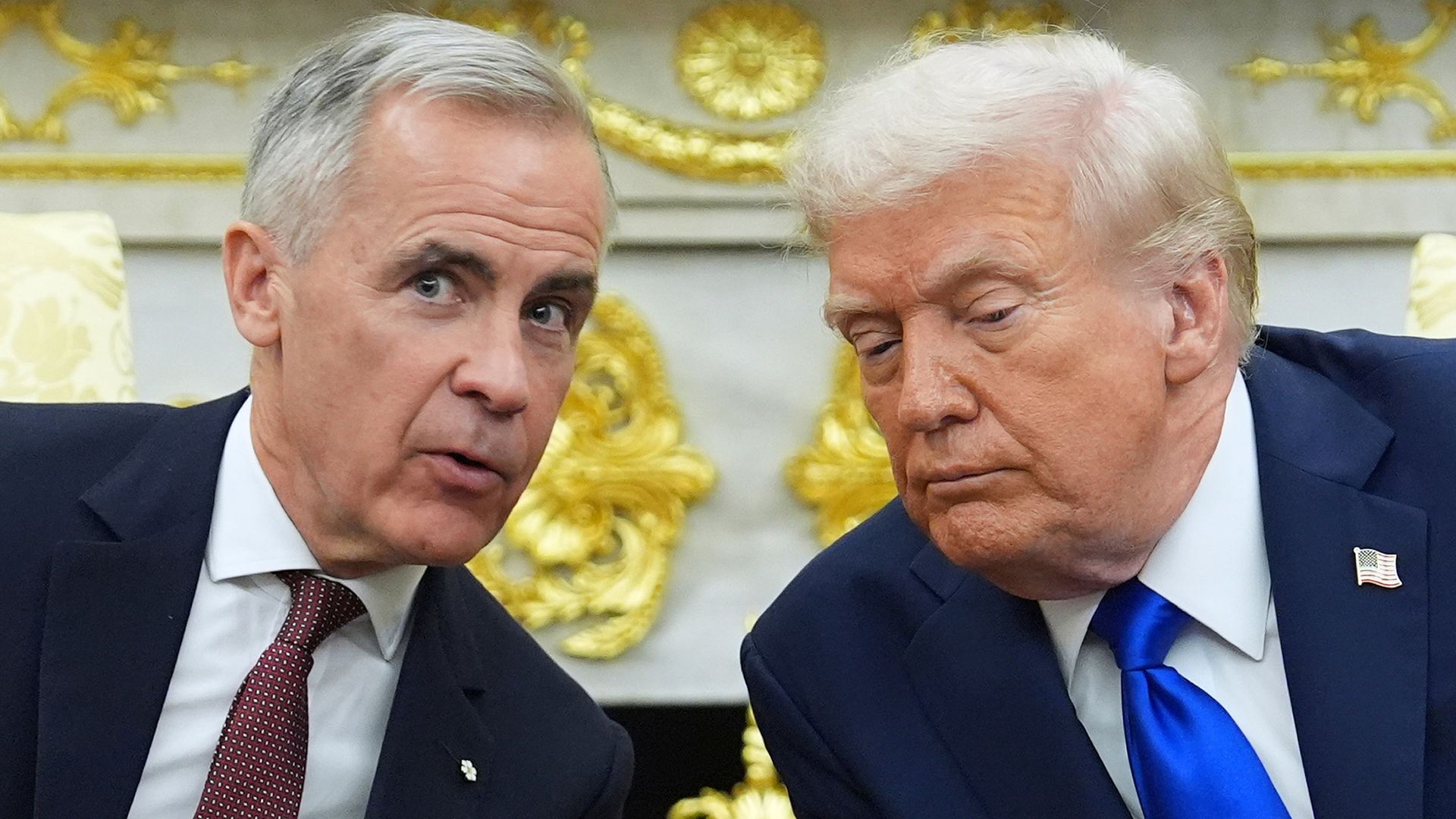
When trade negotiations collapse between close allies, things get ugly fast. Ontario Premier Doug Ford just proved that maxim by threatening to pull the plug on electricity and critical mineral exports to the United States. This escalation comes right on the heels of the White House slamming Canada with aggressive 50 percent tariffs.
If you think this is just standard political posturing, look closer. The economic ties binding North America together are fracturing in real time. Prime Minister Mark Carney's administration is preparing dollar-for-dollar retaliatory measures, and provincial leaders are ready to play hardball with essential resources like energy. Discover more on a related topic: this related article.
The Anatomy of a Trade Breakdown
Talks fell apart late last week after last-ditch negotiations hit a brick wall over automotive provisions and independent policy control. Washington moved quickly to slap 50 percent tariffs on roughly $20 billion worth of Canadian goods. Ottawa didn't back down. Prime Minister Carney accused the U.S. of weaponizing economic integration, marking a definitive end to decades of predictable cross-border commerce.
Enter Doug Ford. Known for his blunt, unfiltered style, the Ontario premier didn't mince words about the tariff hike or the broader pressure campaign coming from Washington. Ford made it clear that Ontario holds cards the U.S. cannot easily ignore, specifically pointing to electricity exports that power millions of homes and businesses across Michigan, New York, and Minnesota. Further reporting by BBC News highlights related views on this issue.
Why the Energy Threat Actually Matters
Energy leverage isn't just an empty talking point. Ontario supplies a significant slice of power to northern states, alongside massive shipments of critical minerals, natural gas, and crude oil. When politicians talk about turning off the taps, they are tapping into an asymmetrical interdependence that policymakers in Washington often take for granted.
- Ontario provides power to roughly 1.5 million American customers.
- Canada accounts for the vast majority of U.S. natural gas and electricity imports.
- Critical minerals from the Canadian shield feed American manufacturing and defense supply chains.
If Ontario cuts off electricity or seals the border to critical minerals, the ripple effects won't hit abstract federal budgets first. They will hit regional manufacturing plants, local utility grids, and everyday consumers in the American Midwest and Northeast. Ford's warning signals that Canadians are willing to endure short-term pain rather than bend the knee to sustained economic coercion.
Where the Economy Goes From Here
Economists are already warning that a full-scale trade war will disrupt supply chains that took half a century to build. While the immediate tariffs target specific sectors like steel, autos, and electronics, the psychological damage to the alliance runs much deeper. Canada is actively working to diversify its trade partnerships, realizing that relying too heavily on a volatile southern neighbor carries too high a risk.
Look for retaliatory Canadian tariffs to hit U.S. markets hard in early September. Watch the power grids along the northern border. If political rhetoric turns into actual regulatory blockades, the energy map of North America is going to change permanently. Stop assuming old alliances protect anyone from modern economic warfare. The border is open today, but the rules of the game have already been rewritten.


