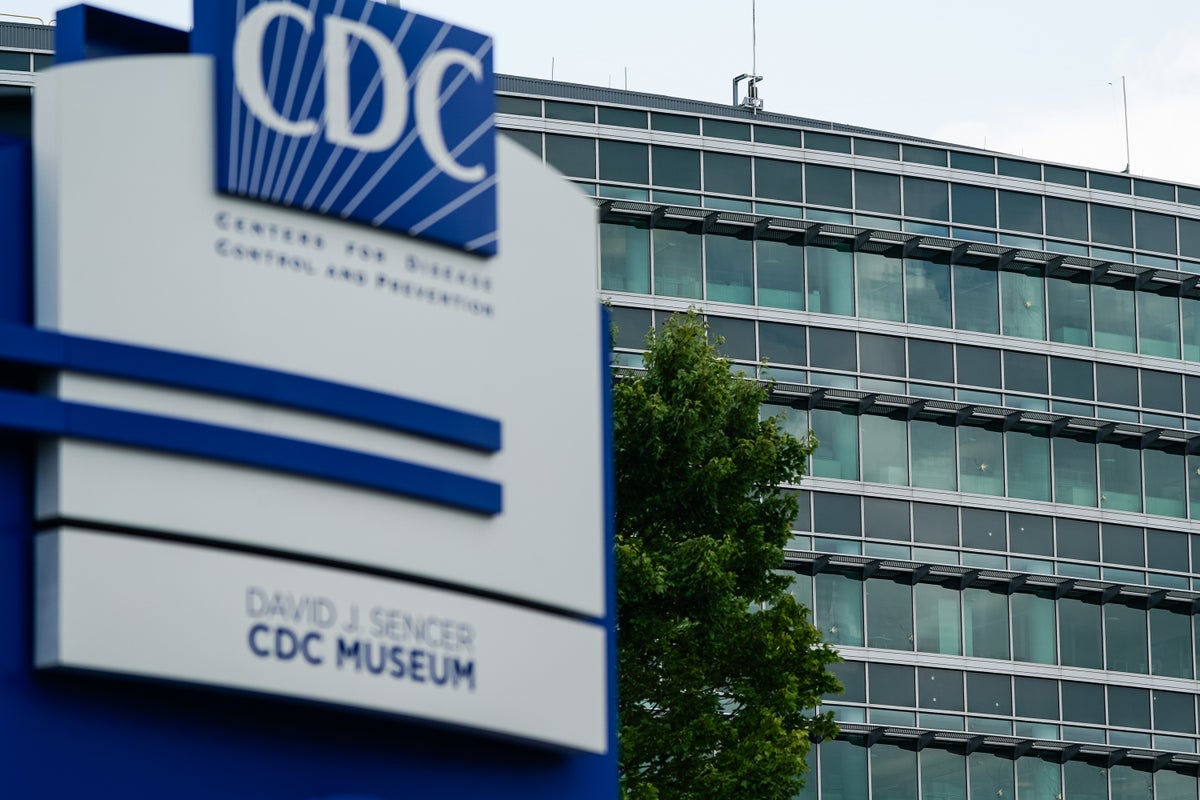
The numbers are finally moving in the right direction. For years, reading the headlines about the American substance abuse crisis felt like watching a slow-motion catastrophe. Every annual report from the Centers for Disease Control and Prevention brought worse news, higher body counts, and more despair. But something shifted. The latest federal data shows a massive drop in overdose deaths across the United States.
About 70,000 Americans died from drug overdoses in 2025. That is a 14% drop from the previous year. It follows an even larger 26% plummet between 2023 and 2024. We are looking at the longest sustained decline in drug-related mortality in decades. This brings the death toll all the way back down to pre-pandemic levels.
This is not a fluke. It is a massive statistical shift that is saving dozens of lives every single day. But if you think we cracked the code or won the war on drugs, you are dead wrong. The real story behind these numbers is complicated, messy, and fragile.
The Real Numbers Behind the Turning Tide
Let's look at the hard data. The peak of this crisis arrived in 2022 when annual fatalities climbed to a staggering 107,941 deaths. The isolation of the pandemic combined with a toxic illicit supply created a perfect storm. People died alone in bedrooms and parking lots.
The drop since then has been staggering. The raw numbers show exactly how fast things changed.
In 2023, the nation recorded 105,007 deaths.
In 2024, that number plummeted to 79,384 deaths.
By the end of 2025, the provisional tally sat at 69,973.
That is nearly 38,000 fewer annual deaths than our worst year. The age-adjusted death rate fell dramatically for almost every demographic group. The single largest annual drop occurred among young people and Black Americans, who had previously been bearing a disproportionate burden of the synthetic opioid surge.
Synthetic opioids like illicit fentanyl are still the biggest killers, accounting for 38,084 deaths in 2025. But that is down significantly from nearly 49,000 just a year earlier. Psychostimulants like methamphetamine and cocaine also saw clear declines.
We must understand why this is happening. If we don't understand the mechanics of this decline, we can't protect it.
Why Overdose Deaths Are Falling Right Now
Politicians love to take credit for positive statistics. Washington will tell you that border interdictions and law enforcement crackdowns turned the tide. Drug enforcement agencies will point to high-profile busts.
The data tells a completely different story.
A major study by the Drug Free America Foundation analyzed the relationship between law enforcement drug seizures and falling death rates. They found that a slight reduction in the presence of fentanyl in seized drugs only explained about 9% of the drop in fatalities. The drug supply is still incredibly lethal. Street drugs did not suddenly become safe.
The real driver is a combination of public health saturation and behavioral adaptation.
Widespread Naloxone Availability
Naloxone is the generic name for the overdose-reversing drug often sold as Narcan. For years, harm reduction groups begged for widespread distribution. Now, it is everywhere. You can buy it over the counter at pharmacies. Library branches, bars, and high school teachers carry it.
We flooded the streets with the antidote. When people overdose today, there is a much higher probability that someone nearby has a nasal spray that can pull them back from the edge of death. It does not cure addiction. It keeps the heart beating long enough for someone to get another chance.
The Shift From Injecting to Smoking
Drug users are adapting to survive. Research published in recent public health updates shows a massive nationwide migration away from injecting drugs toward smoking them.
Injecting illicit fentanyl carries the absolute highest risk of sudden death. A tiny miscalculation in the syringe kills within minutes. Smoking the substance still exposes the user to lethal chemicals, but the absorption rate is slightly altered, giving individuals a thin window to realize they took too much.
Public health workers in states like Arizona and California note that users are actively choosing to smoke rather than shoot up specifically because they do not want to die. It is a grim form of self-preservation, but it is suppressing the fatality rate.
Opioid Settlement Money Hitting the Ground
States are finally spending the billions of dollars secured from lawsuits against major pharmaceutical companies and pharmacies. This money is bypassing standard bureaucratic gridlock in many communities.
It is paying for mobile methadone clinics. It is funding rapid-response teams that meet survivors in emergency rooms right after an overdose to get them into suboxone treatment. We are seeing what happens when you actually fund addiction infrastructure instead of just locking people up.
Gen Z is Avoiding Hard Drugs
There is a generational shift occurring under the surface. Long-term federal tracking surveys show that adolescents and young adults are engaging in fewer risky behaviors overall. Alcohol consumption, cigarette smoking, and illicit drug initiation are down among teenagers.
Fewer young people are experimenting with street pills. They know that a single counterfeit Xanax or Percocet can contain a fatal dose of fentanyl. Fear has created a powerful deterrent, lowering the number of new users entering the pipeline of severe substance use disorders.
The Dangerous Disparities Hidden in the Data
National averages lie. A 14% national decline sounds like a uniform victory, but the reality on the ground depends entirely on your zip code.
While 45 states saw major improvements, several states saw deaths spike. New Mexico, Arizona, and Colorado recorded significant increases in overdose fatalities during the exact same period the rest of the country celebrated drops.
The crisis is moving West. The East Coast and Appalachia caught the first waves of fentanyl years ago and built up emergency response networks. The western United States is currently dealing with a massive surge in the combined use of fentanyl and methamphetamine, a combination that overwhelms local emergency services.
An exclusive regional analysis published by the Guardian revealed that in certain rural counties, overdose rates jumped by over 100% while national figures fell. If you live in a city with a well-funded needle exchange and quick ambulance response times, your chances of surviving an addiction are higher than ever. If you live in a rural county with a single volunteer ambulance squad thirty miles away, the drug supply is just as deadly as it was in 2022.
What Needs to Happen Next
We cannot take our foot off the gas. The moment funding dries up or public attention shifts to a new crisis, these numbers will shoot right back up. The underlying demand for substances hasn't vanished. People are just surviving their use at higher rates.
If you want to keep your community safe, there are immediate, practical steps that matter.
- Normalize carrying naloxone: Keep a dose in your backpack, your glove compartment, or your office desk. You don't need to be a drug user to save a life in a public bathroom or a parking lot.
- Protect local harm reduction budgets: Push back against local politicians who try to defund syringe services or methadone clinics under the misguided belief that punishment works better than treatment.
- Support rapid-access treatment: Demand that your local hospitals offer immediate medication-assisted treatment like buprenorphine directly from the emergency room instead of giving patients a pamphlet and a waiting list.
The current decline proves that targeted public health interventions work. It proves that addiction is a treatable medical reality, not a moral failure. We have saved thousands of lives over the last twenty-four months by choosing pragmatism over ideology. Keep doing what works.