The relationship between Islamabad and Kabul is fracturing into open hostility. For years, Pakistani security officials banked on the idea that installing a friendly regime in Afghanistan would secure their western border. Instead, that border has turned into a launchpad for a relentless wave of domestic militant violence.
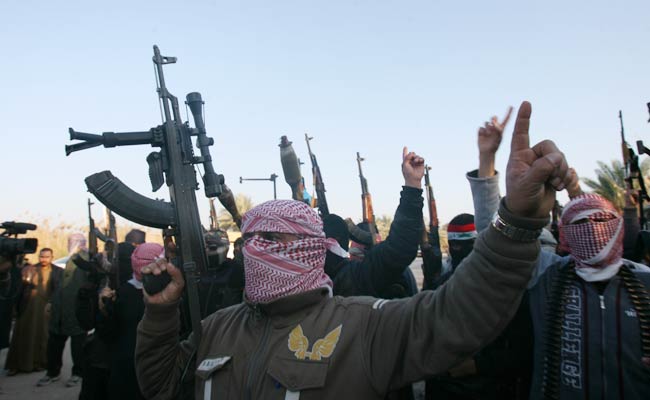
At the center of this diplomatic wreckage sits the Tehrik-e-Taliban Pakistan, or TTP. Islamabad insists that these fighters operate with total impunity from Afghan soil, orchestrating deadly assaults inside Pakistan. Kabul flatly rejects these claims, arguing that the TTP is a homegrown Pakistani problem born from domestic grievances, not an export of the Afghan regime.
The Anatomy of a Broken Alliance
The friction goes far beyond ordinary diplomatic disagreements. During the decades of insurgency against foreign forces in Afghanistan, regional militant networks maintained deep ideological and ethnic ties. Both the Afghan Taliban and the TTP share predominantly Pashtun roots and a hardline adherence to Deobandi Islam.
When the Afghan Taliban swept back to power in Kabul, thousands of imprisoned TTP fighters found themselves released back into the wild. Islamabad expected gratitude and cooperation. What they got was a resurgent militant network that viewed its ideological allies across the border as brothers-in-arms rather than targets for suppression.
Senior Afghan officials have pointedly rejected any notion of subservience to Islamabad. Afghan ministers have publicly noted that while they appreciated historical backing during their own war, they refuse to accept what they characterize as servitude.
Dragging New Delhi Into the Mix
As cross-border clashes escalate, Islamabad has increasingly tried to frame the crisis through a broader geopolitical lens. Pakistani leadership has floated accusations that external regional rivals are fueling the instability, even suggesting that the Afghan Taliban could act as an indirect proxy for New Delhi.
This narrative serves a clear domestic purpose for Pakistan's security establishment, which has historically viewed its western and eastern security dilemmas through a unified, zero-sum lens. Yet, blaming India for the complex web of Pashtun militancy ignores the structural realities on the ground. The TTP's leadership draws its strength from local grievances within Pakistan’s border regions, particularly resentment over governance, military operations, and resource exploitation.
What Happens Next in South Asia
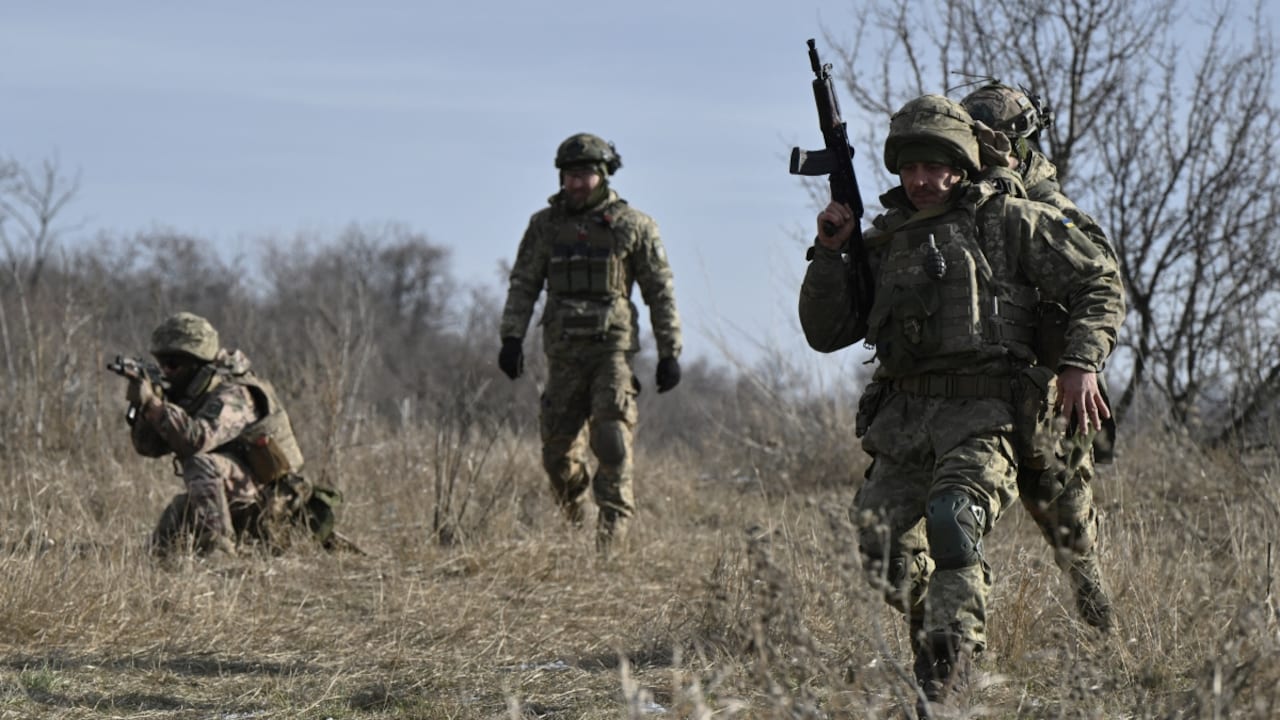
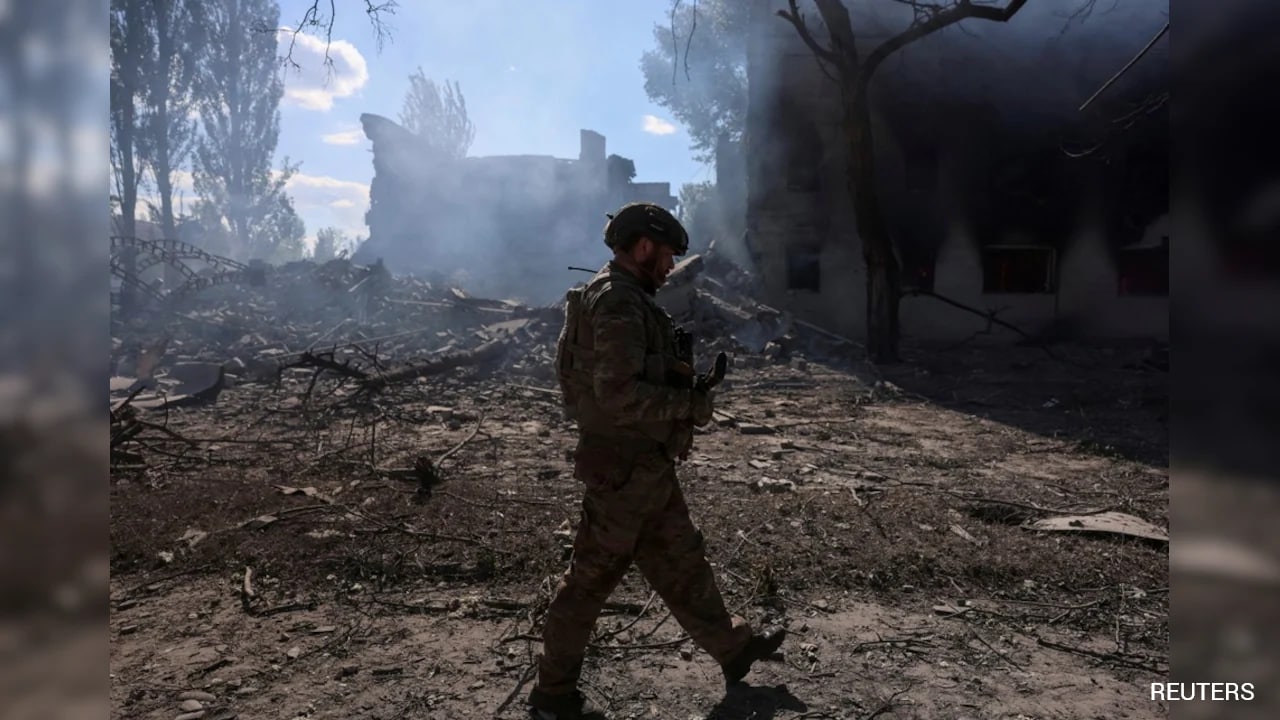
The current stalemate leaves very few clean exits for either side. Pakistan faces mounting casualties among its security forces and civilians, making a passive stance politically untenable for Islamabad. Meanwhile, the Afghan Taliban faces a severe legitimacy crisis if it cracks down on ideological compatriots to satisfy a foreign capital.
Border skirmishes, retaliatory airstrikes, and hardening rhetoric are becoming the default state of affairs. Until both sides acknowledge the internal drivers of the TTP and abandon the game of geopolitical scapegoating, the borderlands will remain a volatile powder keg.