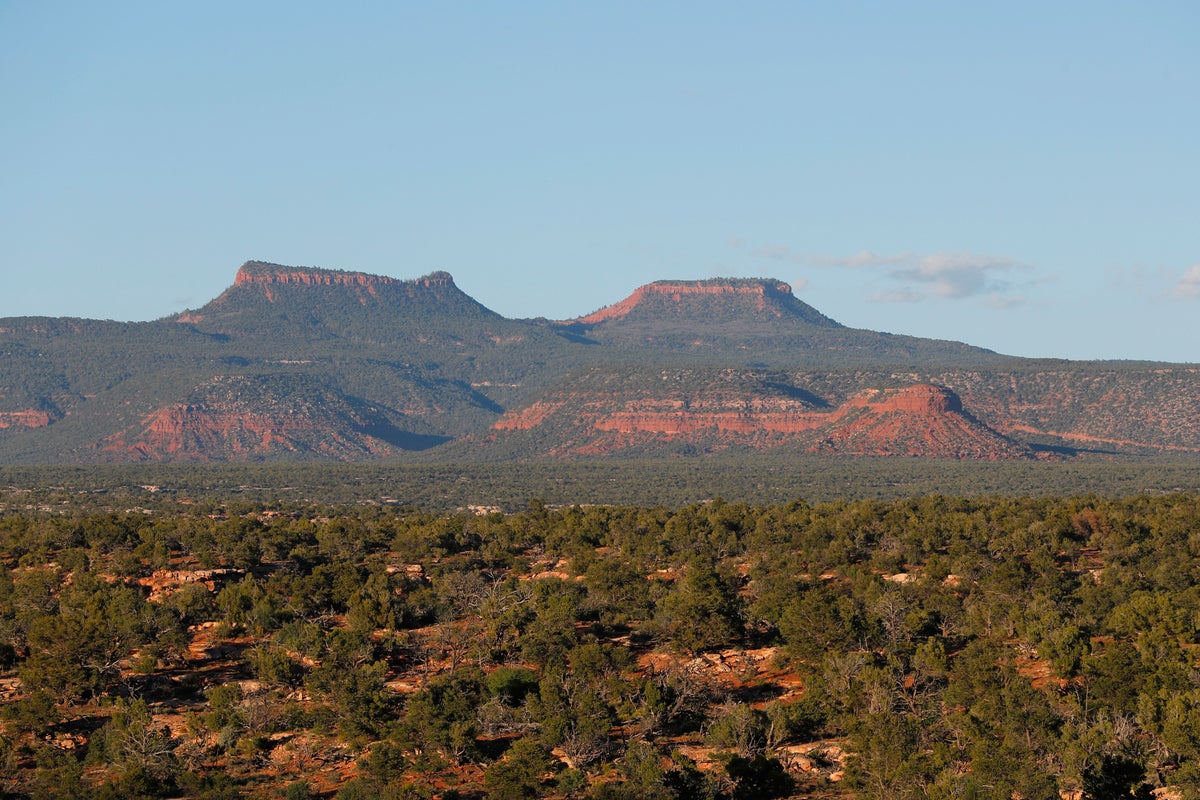
The corporate outrage machine just ground into gear, and the tech bros and fleece wearers bought it hook, line, and sinker. When a federal administration shrinks a monument boundary in Utah, the reaction is entirely predictable. Patagonia slaps a bold political statement on its website, initiates a high-profile lawsuit, and watches millions of consumers applaud the brand's supposed corporate bravery.
Stop cheering. You are being played by a marketing department.
I have spent decades watching outdoor brands weaponize public land disputes to convert political tribalism into recurring revenue. The lazy consensus says that corporate litigation against executive overreach on federal monuments is an unmitigated win for conservation and Indigenous rights. That narrative is lazy, intellectually dishonest, and actively harmful to the actual work of managing wild spaces.
The False Binary Of The Monument Debate
The standard narrative frames the issue as an epic battle between righteous outdoor advocates protecting sacred ground and greedy industrialists looking to pillage public assets for short-term extraction.
Reality is far messier. The Antiquities Act of 1906 grants presidents sweeping authority to lock up millions of acres with the stroke of a pen. It was designed to prevent the immediate looting of archaeological sites, not to create permanent, multi-million-acre administrative units without congressional consent or genuine local buy-in.
When boundaries are drawn at an unprecedented scale, two things happen immediately:
- Local communities, who bear the direct economic and infrastructural burden of massive federal designations, are marginalized.
- Tribal sovereignty is frequently co-opted as a legal shield by corporate entities and national NGOs who want to dictate land management from corporate headquarters in California or New York.
Imagine a scenario where a billion-dollar apparel corporation uses its balance sheet to litigate federal land boundaries. Who actually wins? It is not the local ecosystem. It is the brand's market share, its customer retention metrics, and its ESG score.
The Economics Of Outrage Marketing
Let us look at the balance sheet. Patagonia is not a non-profit charity; it is a privately held, for-profit commercial powerhouse raking in hundreds of millions of dollars annually. Every major political crusade the company launches correlates directly with spikes in brand affinity, customer acquisition, and high-margin apparel sales.
When you buy a fleece with a tag protesting a monument rollback, you are paying a premium for a political identity. The lawsuit is a masterclass in modern marketing. It costs a fraction of a traditional global ad campaign, generates thousands of media placements, and positions the company as an ethical crusader while distracting consumers from the environmental footprint of manufacturing millions of synthetic garments every single year.
The dirty little secret of the outdoor retail sector is that consumption is inherently destructive. Shipping petroleum-based polyester jackets across oceans leaves a massive ecological footprint. Suing the federal government is a cheap way to offset the cognitive dissonance of selling more stuff.
Why Top-Down Protection Fails Ecosystems
The legal battle over Utah monuments assumes that a federal monument designation equals pristine preservation. That is a dangerous illusion.
Draw a line around two million acres of remote desert and call it a monument. What changes on the ground the next morning? Without massive, sustained funding for actual law enforcement, trail maintenance, invasive species eradication, and scientific monitoring, a monument designation is just a line on a map.
In many cases, massive monument designations crowd out localized management strategies that actually work. Indigenous stewardship is not a legal talking point to be deployed in federal court briefs; it requires complex, on-the-ground collaborative agreements, fire management autonomy, and dedicated economic resources. A corporate lawsuit filed in Washington does not clear a single choked stream or fund a single ranger station in San Juan County.
The Real Alternative To Corporate Slacktivism
If we genuinely care about public lands, we need to abandon the comforting myth that buying outdoor gear from litigious billionaires is an act of civic virtue.
Real land stewardship looks boring. It looks like grueling, bipartisan negotiations in Congress to pass permanent legislative protections. It looks like funding local county infrastructure so remote communities can handle tourist influxes without destroying fragile ecosystems. It looks like transferring actual management authority and revenue streams directly to tribal nations, rather than using their names as emotional window dressing for corporate press releases.
Stop outsourcing your political agency to marketing executives. Stop treating a corporate lawsuit as a substitute for real civic engagement.
The next time a clothing brand tells you to panic over a boundary adjustment, look at their supply chain, check their inventory turnover, and ask yourself who is actually profiting from the outrage.
The mountains do not need a lawyer. They need you to stop consuming so much.