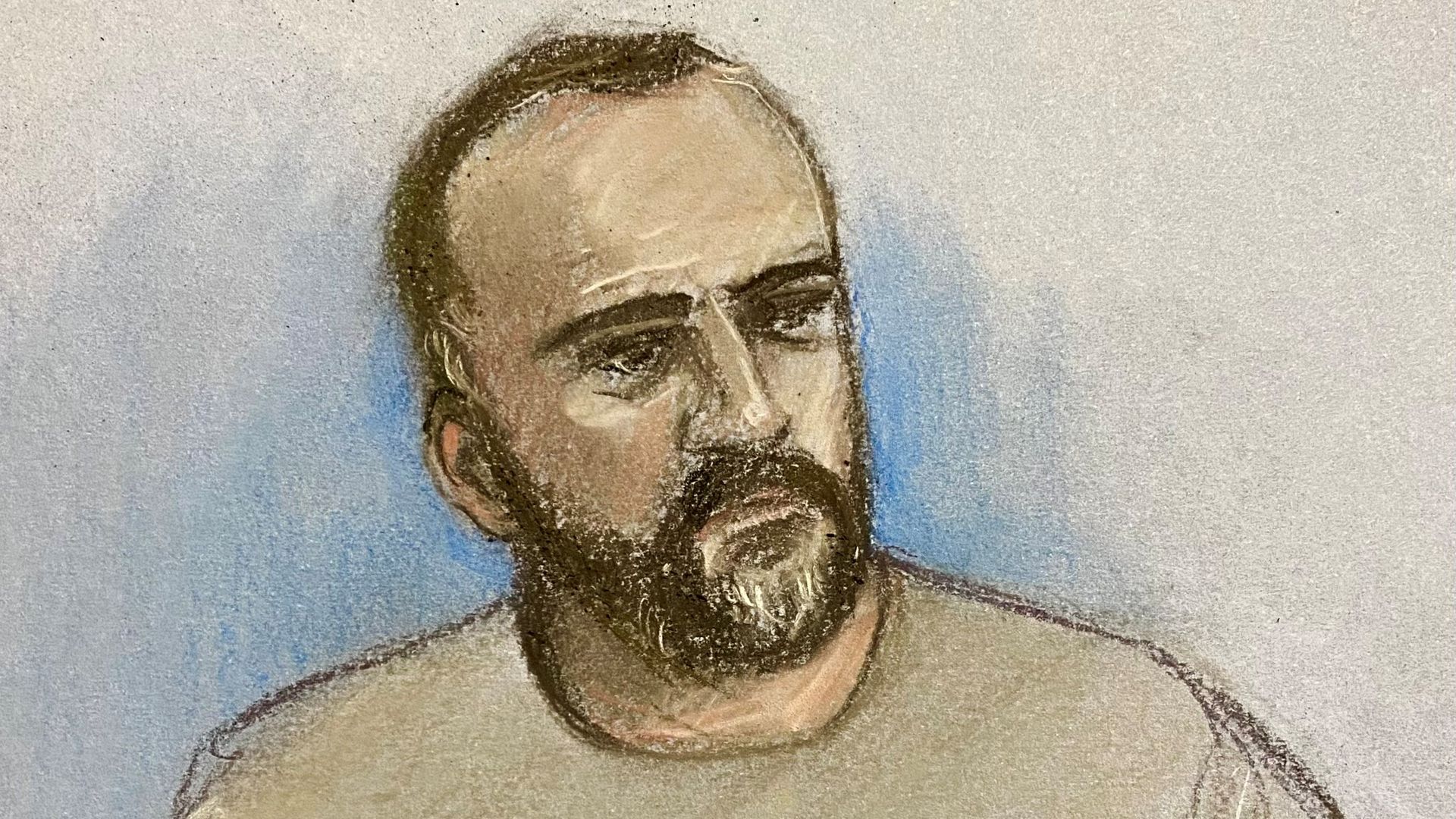
Homicidal concealment within domestic environments represents a catastrophic failure of systemic behavioral monitoring and spatial control. When a perpetrator resorts to freezing a victim's remains within a domestic residence, the act transcends an impulsive violent episode, manifesting instead as an extreme operational shift toward preservation, denial, and risk mitigation. This behavior exposes a calculated, albeit deeply flawed, attempt to manage the physical evidence of a homicide within a confined, high-scrutiny ecosystem. Understanding the mechanics behind such concealment requires deconstructing the perpetrator's operational framework, the environmental variables that dictate post-offense decision-making, and the behavioral signatures that ultimately compromise these illicit strategies.
The Cognitive Architecture of Domestic Concealment
The decision to utilize refrigeration or freezing as a preservation method stems from a specific panic-response matrix paired with cognitive distortion regarding evidence persistence. Perpetrators operating under high-stress thresholds routinely miscalculate the permanence of biological decay versus the temporary nature of concealment. Meanwhile, you can explore similar developments here: The Weight of the Deck When the Waters Rise.
The Preservation Fallacy
The primary driver behind utilizing a freezer is temporal displacement. The perpetrator attempts to halt biological decomposition to eliminate immediate olfactory indicators and fluid leakage. In forensic terms, freezing alters tissue state but does not halt biochemical breakdown indefinitely; it merely suspends active rot while introducing severe structural changes to the body that forensic pathologists can easily identify during post-mortem examination.
Risk Mitigation vs. Escape Execution
A rational threat-assessment model would dictate immediate flight or evidence dispersion. However, domestic offenders frequently exhibit hyper-localization—keeping the risk centralized within the home. This creates an isolated operational theater where the perpetrator controls access, temperature, and environmental variables, creating a false sense of security that directly correlates with eventual apprehension. To understand the bigger picture, we recommend the excellent analysis by NPR.
Spatial Constraints and Environmental Variables
Storing human remains within a standard residential freezer introduces severe logistical hurdles that highlight the operational friction of the crime.
[Homicide Event]
       │
       ▼
[Temporal Panic Phase] ──► [Olfactory & Fluid Management Failure]
       │
       ▼
[Spatial Containment]   ──► [Thermal Alteration & Tissue Rigidity]
       │
       ▼
[Systemic Discovery]    ──► [Forensic Reconstruction & Prosecution]
Volumetric Mismatch
Standard domestic chest or upright freezers lack the internal dimensions required to house an adult human body without extreme physical manipulation. The necessity to alter the physical state of the remains—through flexion, compression, or post-mortem fragmentation—demands a level of physical detachment and mechanical effort that severely tests the perpetrator's psychological endurance.
Thermal Signatures and Energy Anomalies
Continuous operation of a refrigeration unit at maximum capacity to counteract thermal mass introduces anomalies. While utility spikes rarely trigger automated law enforcement alerts, the mechanical strain, frost accumulation, and localized electrical draw represent physical evidence of sustained environmental stress within the appliance.
Behavioral Signatures and the Anatomy of Suspicion
Law enforcement investigation models rely on behavioral anomalies rather than purely physical leads during the initial stages of missing persons inquiries. When a domestic homicide involves long-term concealment, the perpetrator's behavioral output shifts noticeably.
Narrative Inconsistency Matrix
- Displacement of Timeline: The perpetrator introduces deliberate lag into reporting the victim missing, attempting to normalize an absence through fabricated travel or voluntary abandonment narratives.
- Access Restriction: Establishing physical or psychological barriers around specific zones of the residence—particularly utility rooms, basements, or secondary storage areas—serves as an unconscious defense mechanism to protect the primary containment site.
- Social Defensiveness: Escalated hostility or preemptive deflection during routine welfare checks or casual inquiries by associates signals heightened cognitive load and fear of exposure.
Forensic Deconstruction and the Inevitability of Failure
The ultimate collapse of any domestic concealment strategy lies in the intersection of forensic science and external environmental pressures. No residential environment can permanently seal a biological containment failure.
Olfactory Persistence
Despite low temperatures, lipid degradation and microbial activity eventually breach the thermal threshold, producing volatile organic compounds that escape standard residential seals. Neighbors, returning family members, or visiting maintenance personnel frequently trigger the discovery chain through sensory detection long before law enforcement secures a search warrant.
Forensic Pathology and Thermal Trauma
When authorities recover remains subjected to prolonged freezing, ice crystal formation (cryo-artifacting) alters cellular structures. However, modern forensic pathology easily differentiates these structural artifacts from antemortem trauma. Furthermore, DNA preservation remains remarkably stable in frozen biological material, ensuring that the physical evidence collected inside the containment unit yields definitive identification and trace evidence linking the perpetrator directly to the crime scene.
Operational Assessment
The mechanics of concealing a body within a domestic freezer represent an unsustainable, high-entropy strategy designed to delay an inevitable outcome. By substituting long-term tactical evasion with localized containment, the perpetrator traps themselves within the very crime scene they seek to sanitize. The structural flaws in this approach—ranging from volumetric limitations to inevitable olfactory and forensic compromise—guarantee that the operational lifecycle of such concealment is strictly finite. Security audits of domestic environments and predictive behavioral profiling continue to shrink the window between commission, concealment, and systemic discovery.