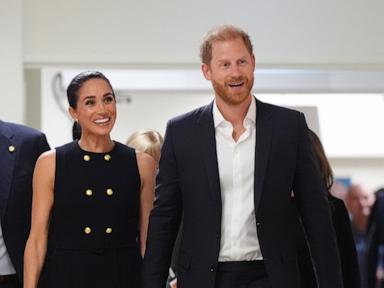
Prince Harry and Meghan Markle face a brand new security hurdle as plans emerge for the family to relocate from California back to the United Kingdom. When the Duke and Duchess of Sussex stepped down as senior working royals in 2020, they lost their automatic, taxpayer-funded round-the-clock police protection. Years of fierce legal battles in the High Court followed, with Harry fighting to overturn decisions made by the Executive Committee for the Protection of Royalty and Public Figures (RAVEC).
Now that a permanent return to British soil is on the horizon, the conversation shifts entirely. RAVEC must conduct a fresh risk assessment because previous rulings were based on the couple living abroad permanently.
Why the Old Security Rules No Longer Apply
People often assume that royal security is a permanent lifetime perk that you simply switch on or off. It doesn't work that way. RAVEC operates under strict guidelines managed by the Home Office, the Metropolitan Police, and the Royal Household.
When Harry and Meghan lived in Montecito, their protection status in the UK was assessed on a case-by-case, visit-by-visit basis. That setup led to intense friction, multiple court cases, and Harry's vocal warnings that he could not safely bring his children, Prince Archie and Princess Lilibet, back to his home country.
Establishing a residence outside London changes the baseline calculus entirely. Living in the UK part-time or full-time means RAVEC has to re-evaluate the threat matrix. High-profile status, ongoing public interest, and specific risk reports detailing elevated threat levels all factor into what happens next.
Who Foots the Bill
The question of funding triggers endless public debate. High-ranking officials have sidestepped direct answers, calling the relocation a private matter.
Here is what public security guidelines dictate:
- RAVEC determines protection based on threat level and official status, not personal wealth.
- Working royals receive taxpayer-funded protection automatically.
- Non-working royals do not get blanket state-funded security details by default.
- Courts previously rejected Harry's bids to pay privately for specialist Metropolitan Police officers while visiting.
If RAVEC decides against granting high-level state protection for their new UK base, the Sussexes will likely lean heavily on private security contractors, much like they do in the United States. Yet private guards lack the legal authority, intelligence access, and traffic-clearing capabilities that armed British police officers possess. That exact limitation has been the core grievance of Harry's legal crusade from day one.
What Happens Next for the Family
Moving back with two young children who are due to start British schools means security cannot remain an unresolved gray area for long. While family dynamics appear to be thawing following private meetings with King Charles, institutional security protocols operate independently of palace sentiment.
Expect RAVEC to finalize its updated assessment as the family settles into their new non-royal residence. Whether that decision satisfies the duke's safety demands will dictate how freely the family moves around Britain in the months ahead.