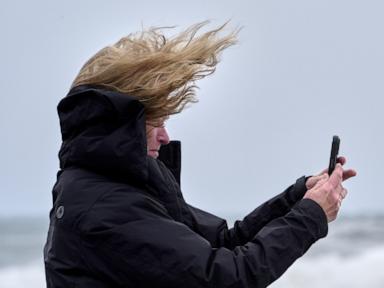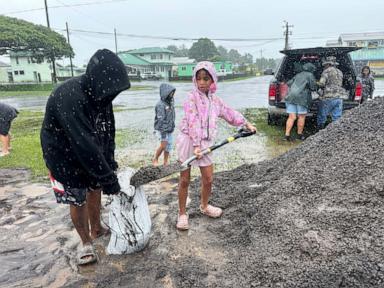
When a major tropical system churns toward the Hawaiian islands, most people picture standard disaster movie imagery: torrential downpours, palm trees bending sideways, and walls of seawater crashing against coastal highways. But when Hurricane Nolo tracked near the state, residents on the Big Island faced a bizarre secondary hazard that rarely makes mainstream weather broadcasts. We aren't just talking about wind and rain. We are talking about the very real, highly destructive prospect of volcanic tephra—often described locally as volcanic hail—combining with severe storm gusts.
If you live outside of an active volcanic zone, the phrase sounds like meteorological fiction. How does a hurricane have anything to do with volcanic rock? The mechanics are surprisingly straightforward, terrifyingly localized, and uniquely tied to Hawaii’s geography. Let's break down what actually happened during Nolo's approach, why volcanic tephra poses such an insidious danger during a tropical storm, and what it teaches us about multi-hazard disasters.
The Reality Behind the Volcanic Hail Threat
During Hurricane Nolo's passage south of the Big Island, local emergency management teams didn't just worry about swollen rivers and storm surge. They had to account for active venting from Kilauea. When high winds sweep across active volcanic zones, they pick up loose pyroclastic material, tephra, and basalt fragments.
Local officials pointed out a terrifying operational reality during the storm prep. Volcanic plumes and lightweight tephra fragments can loft high into the air. Once those abrasive particles are airborne, hurricane-force or gale-force outer bands act like a giant dispersal engine. Instead of dropping straight down near the vent, the ash and tephra get whipped horizontally across residential subdivisions.
This isn't ice falling from a thunderstorm cloud. It's razor-sharp, abrasive rock fragments raining down or blowing sideways into communities.
Why Water Catchment Systems Bear the Brunt
If you've never spent time in rural parts of the Big Island, you might not realize how fragile residential infrastructure can be. A huge percentage of homes rely entirely on catchment systems to store rainwater for daily use.
When wind-driven volcanic tephra sweeps across a neighborhood, it doesn't just coat cars and roads. It lands directly on corrugated metal roofs, which act as collection funnels for home water tanks.
- Contaminated drinking water: Fine basalt dust and acidic volcanic particulates ruin household water storage instantly.
- Clogged filtration systems: Heavy tephra grit overwhelms standard mesh filters, leaving families without safe water long after the storm passes.
- Pump damage: Abrasive grit drawn into home plumbing destroys pumps and fixtures.
Emergency crews spent days warning residents to disconnect their catchment tanks before the outer rain bands arrived. Managing a hurricane is hard enough. Managing a compromised water supply because volcanic debris mixed with the wind is an entirely different level of stress.
Dealing with Back-to-Back Weather Trauma
Nolo didn't hit an untouched landscape. Parts of the southern and southeastern shores, particularly around Kaʻū and Nāʻālehu, were still picking up the pieces from Hurricane Lala just weeks prior. When storms hit the exact same vulnerable valleys consecutively, the ground has no time to dry out.
Soil saturation hits critical mass almost immediately. Landslides block Highway 11, floodwaters carve through ranches, and emergency shelters fill up with families whose properties survived the first blow only to take water or wind damage from the second. The psychological weight of prepping for a new storm while your roof is still patched with blue tarps from the last one wears communities down.
Practical Lessons from the Margins of Disaster Planning
Disaster preparedness checklists usually tell you to stock water, secure outdoor furniture, and fill your gas tank. Events like Nolo force a reality check on those generic guidelines. If you live in an environment where natural hazards overlap, standard prep falls short.
Always keep heavy-duty covers for water catchment inlets if you live near active volcanic rift zones. Do not wait for a hurricane warning to clear drainage ditches on your property; if heavy rain hits soil that is already saturated or coated in loose volcanic debris, minor culverts turn into raging torrents in under an hour. Pay attention to local civil defense alerts that mention air quality and ash movement, because tropical wind patterns can shift local volcanic hazards miles away from the summit in minutes.
The storm eventually moved past the islands, eventually crossing the International Date Line to become a typhoon, but the footprint it left behind serves as a stark reminder. Nature doesn't deal in single threats. When geological volatility meets atmospheric fury, the rules change entirely.
Hawaii officials monitor volcanic threat as storm impacts linger
This short video highlights how Hawaii emergency management kept a close eye on Kilauea's volcanic activity and wind-blown tephra while storm impacts lashed the Big Island.