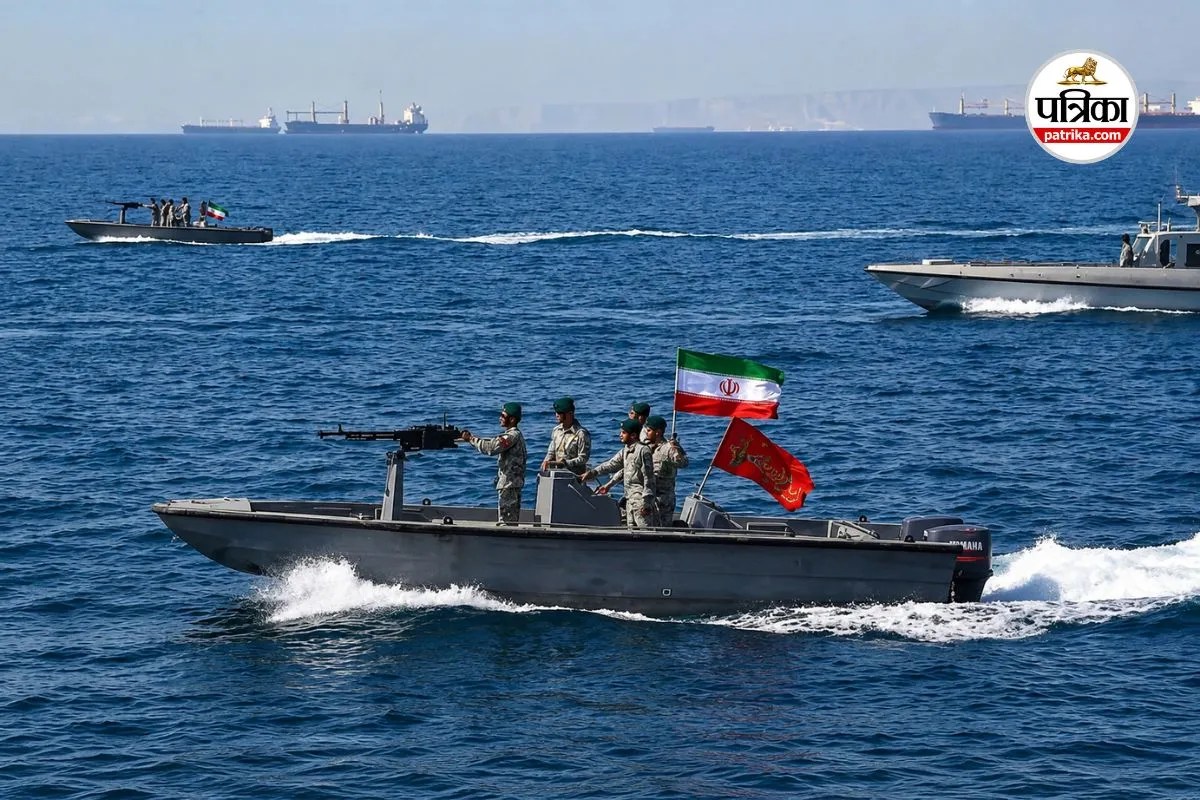
Geopolitics often boils down to geography, and right now, the world's most critical bottleneck is sitting right in Iran's backyard. If you have been paying attention to global trade news, you have likely heard about the massive friction surrounding the Strait of Hormuz. Recent proposals suggest that Iran could impose a strict 7 percent shipping toll on commercial cargo vessels navigating this vital corridor. Let's break down what this actually means and why the mainstream coverage misses the point entirely.
Most people think of the Strait of Hormuz as just another narrow stretch of water. It isn't. It's the literal jugular vein of global energy supplies. Roughly a fifth of the world's petroleum passes through this exact maritime chokepoint daily. When tensions flare here, gas prices spike globally within hours.
The idea of a 7 percent transit fee isn't just a minor administrative adjustment. Estimates indicate that if Iran successfully applies this levy to commercial traffic based on historical shipping volumes, the daily revenue could hit hundreds of millions of dollars. Over a year, we are talking about numbers exceeding one hundred billion dollars. That dwarfs what historical heavyweights like the Suez Canal ever pulled in during their peak years.
Why would Tehran push for this now? Economic pressure meets strategic leverage. Sanctions have hammered Iran's domestic economy for decades. Finding a way to monetize the primary maritime exit for Middle Eastern oil and manufactured cargo shifts the financial power dynamic overnight.
Shipping executives are sweating bullets, and for good reason. A 7 percent tax on top of skyrocketing war risk insurance premiums and soaring fuel costs changes the math for every importer moving goods out of the Persian Gulf. Shippers aren't just paying for the cargo anymore; they are paying heavily just to keep moving.
At the same time, international reactions have been fiercely divided. Proposals and counter-proposals involving regional authorities like the Persian Gulf Strait Authority (PGSA) have floated temporary grace periods or structured fee exemptions to keep global markets from total collapse, but the underlying threat remains. The White House and regional diplomats continue a tense dance of deterrence, balancing naval postures against the economic reality of $100-plus crude oil.
If you run an import business or track global logistics supply chains, ignoring these developments is a massive mistake. Watch the daily freight rates out of the Gulf. Monitor how maritime insurers adjust their risk brackets for vessels entering regional waters. The era of cheap, friction-free passage through the Middle East is officially over.