Healthcare fraud in the United States isn't just about small administrative errors or minor billing discrepancies. Sometimes, it involves staggering multi-million dollar operations spanning continents. When federal investigators put someone on a high-profile fugitive list, it usually signals a massive paper trail and a complex international manhunt.
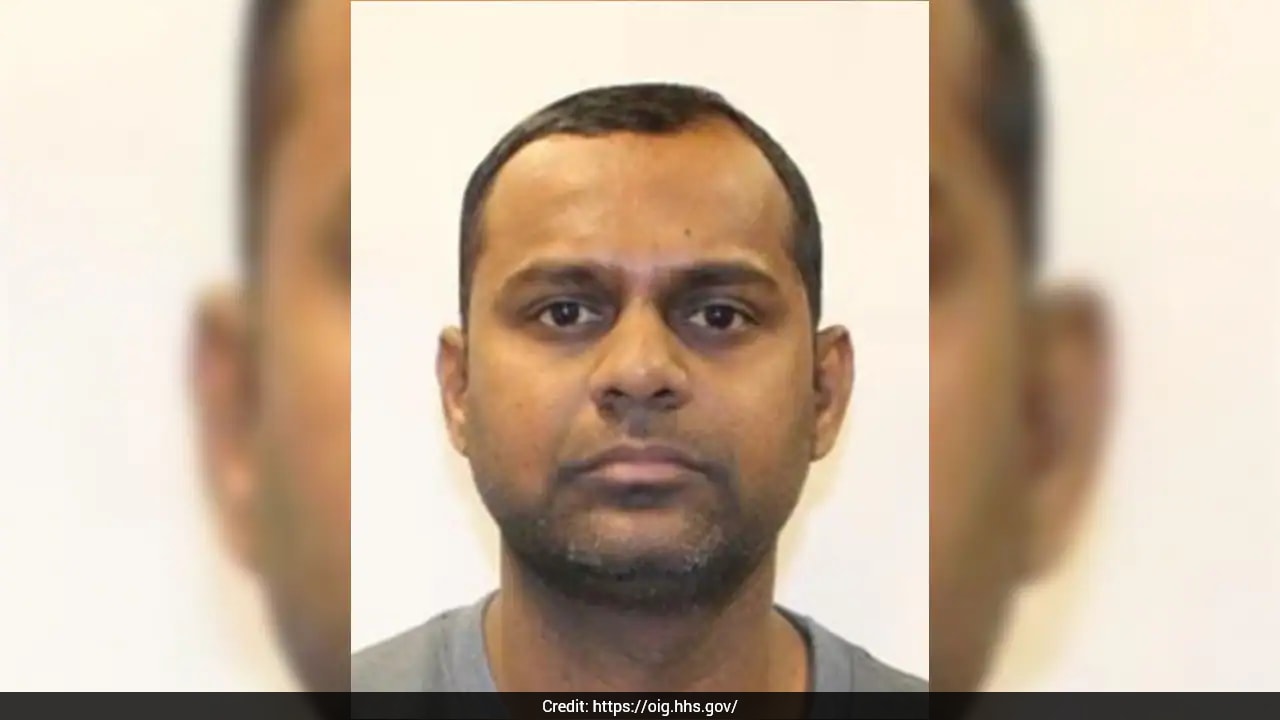
Consider the case of Khadeer Khan Mohammed, an Indian-origin laboratory owner who landed squarely on the United States federal fugitive radar over an alleged ninety-three million dollar Medicare scheme. US authorities believe Mohammed may currently be hiding out in Hyderabad, India, turning a domestic financial crime investigation into an intricate cross-border diplomatic and law enforcement puzzle. Learn more on a similar subject: this related article.
The Mechanics of the Ninety-Three Million Dollar Scheme
How do operations of this scale actually function? According to the Department of Health and Human Services and the FBI, the core of the operation relied heavily on falsified claims for genetic testing.
The blueprint was straightforward yet devastatingly effective: More analysis by TIME highlights related perspectives on this issue.
- Submitting claims for specialized genetic tests that patients never actually needed or received.
- Using doctors' personal identities and credentials without their knowledge or authorization to make the lab requests look legitimate.
- Racking up massive payouts in compressed timeframes before federal oversight flags raised any alarms.
Investigators noted that out of the ninety-three million dollars in total fraudulent claims submitted through American Premier Labs, Medicare paid out at least sixty-five million dollars. In one shocking ten-day stretch alone back in 2023, approximately thirteen million dollars vanished into the pipeline.
Following the Money and Freezing Assets
When federal agencies catch up to operations of this magnitude, the first thing they target isn't just the suspect—it's the bank accounts. US authorities didn't waste time locking down funds once the investigation gained momentum. Reports indicate that approximately six million dollars linked to accounts allegedly operated by Mohammed have already been seized.
Freezing liquid assets is critical because white-collar fugitives rely heavily on moveable capital to sustain life abroad. Yet, seizing a fraction of the total payout leaves a massive gap, and tracking down individuals who have fled across international borders requires intense cooperation between foreign governments, local police forces, and federal investigators.
Why Cross-Border Fugitive Recovery is Painfully Slow
People often wonder why a suspect isn't brought back overnight once their location is suspected. Extradition treaties are notoriously complex. They require meticulous legal documentation, proof of dual criminality, and formal diplomatic requests that can take months or even years to clear judicial hurdles.
Furthermore, suspects who relocate to major metropolitan areas like Hyderabad can blend into dense populations, utilize local legal protections, or mount prolonged courtroom challenges against extradition requests. It turns a standard criminal indictment into a slow-moving legal marathon.
The investigation remains ongoing, and while federal agencies continue their pursuit, the case serves as a stark reminder of the vulnerabilities plaguing large-scale public healthcare funding systems. As digital billing systems evolve, so do the sophisticated methods used by bad actors trying to exploit them from thousands of miles away.