You think you know how fast-food lawsuits go. Someone buys a cheap breakfast sandwich, finds something gross, calls a lawyer, and tries to cash in. It’s a cynical narrative corporate PR teams spent decades perfecting. But a legal complaint filed against McDonald’s by a Texas woman turns that comfortable corporate defense on its head.
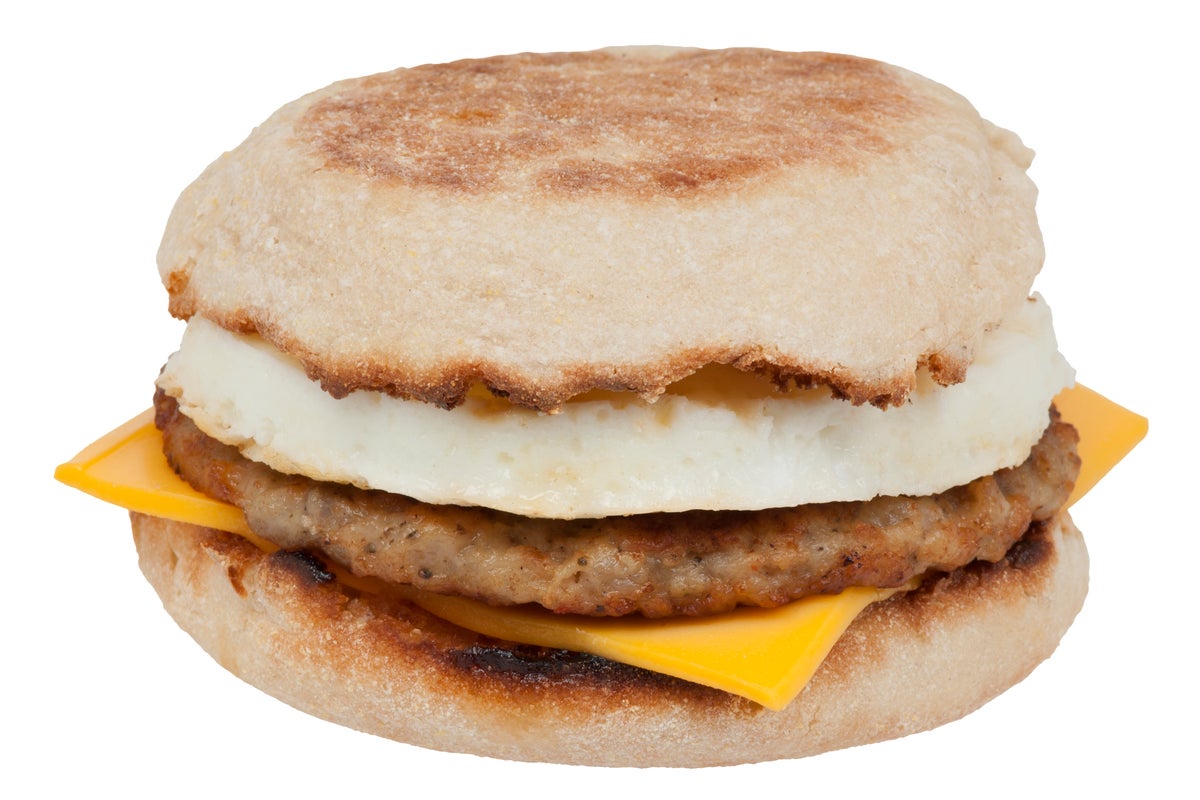
Yvette Hinds claims a routine breakfast run left her permanently and seriously injured. The culprit? A McDonald’s Sausage McMuffin that her legal team explicitly labeled "wholly unfit for human consumption".
This isn't a simple case of a brief stomach ache or a bad taste in someone's mouth. The legal filing alleges a nightmare scenario that required multiple surgeries and extensive medical care. When you look past the sensational headlines, you find a troubling case that highlights the serious risks of modern food safety failures.
The Morning Routine That Ended in a Hospital
The details in the lawsuit point to a terrifying escalation from a quick breakfast to a medical emergency. According to court filings, Hinds ordered the standard breakfast sandwich expecting a routine meal. Instead, the sandwich caused severe internal damage.
While the public file doesn't detail the exact contaminant inside the pork patty or English muffin, the medical fallout speaks for itself. Hinds had to undergo several invasive operations, procedures, and ongoing treatments to repair the damage caused by the sandwich.
Her legal team argues the restaurant chain failed at basic quality control. They allege the franchise served an item that shouldn't have ever crossed the counter. The phrase "wholly unfit for human consumption" is a specific legal standard used in product liability. It means the product didn't just miss quality metrics; it was inherently hazardous to a human being.
Why Fast Food Giants Rely on Your Cynicism
Every time a story like this breaks, the internet reacts with predictable skepticism. People scream about personal responsibility or joke about get-rich-quick schemes. That reaction isn't accidental. It's the result of a highly successful, decades-long public relations strategy designed to protect corporate profits.
Look at the infamous Stella Liebeck hot coffee case from 1994. The media ran wild with the narrative of a woman suing over a spilled drink because it was hot. The real story? McDonald’s kept its coffee at near-boiling temperatures—around 85°C—despite receiving hundreds of previous burn complaints. Liebeck suffered third-degree burns, required skin grafts, and initially only asked for enough money to cover her medical bills. The jury awarded punitive damages because the corporation actively ignored a known hazard.
The Texas Sausage McMuffin case fits into this exact pattern. When a legal complaint mentions multiple surgeries, it means something went horribly wrong in that kitchen.
- Bone fragments: Poorly processed sausage meat can contain sharp bone shards capable of tearing the esophagus or stomach lining.
- Foreign objects: Dislodged industrial machinery parts, plastic pieces, or cleaning metal wire can easily slip into food prep lines during rushed morning rushes.
- Severe bacterial contamination: Pathogens like Listeria or Salmonella can cause massive systemic infections that require surgical intervention if organs fail or abscesses form.
What It Takes to Win a Food Injury Suit
You can’t just sue a restaurant because you felt sick after eating a burger. Winning a product liability or personal injury lawsuit against a global multi-billion-dollar corporation requires a mountain of undeniable, objective proof.
Direct Medical Causation
A plaintiff must prove the specific food item caused the exact injury. If someone claims a sandwich tore their throat, they need immediate medical imaging, pathology reports, and expert testimony from gastroenterologists or surgeons confirming the timeline matches the meal.
Proof of Negligence
The legal team must show the restaurant failed to maintain standard safety protocols. This involves auditing kitchen logs, checking internal food temperature records, reviewing employee training schedules, and analyzing supplier supply chains.
Quantifiable Damages
Courts don't hand out millions for hurt feelings. A successful suit relies on hard numbers: hospital invoices, lost wages from missed work, future rehabilitation costs, and documented long-term physical impairment.
In the case of Yvette Hinds, the requirement for multiple surgeries provides a clear paper trail of medical bills and tangible trauma. It blocks the defense from claiming the injury was minor or imagined.
The Reality of Food Safety Failures
Fast-food kitchens operate on razor-thin timelines. Employees are pushed to assemble hundreds of items an hour during peak breakfast shifts. When speed is prioritized over safety, safety checks fall through the cracks.
The Texas lawsuit serves as a stark reminder that consumers are entirely at the mercy of industrial food preparation systems. When those systems break down, the results are life-altering.
If you ever find yourself facing a severe illness or physical injury from a commercial meal, you need to take immediate steps to protect your health and your legal rights:
- Seek immediate medical attention. Go to an emergency room or urgent care center. Tell the medical staff exactly what you ate and when your symptoms started so it’s recorded in your official medical file.
- Preserve the evidence. If you still have the food item, the packaging, or the receipt, don't throw them away. Store the food safely in a sealed container in your freezer. It may need to be analyzed by an independent lab.
- Document everything. Write down a precise timeline of your day. Note the exact time you bought the food, when you ate it, when symptoms started, and who you spoke with at the restaurant. Take photos of any visible injuries or foreign objects in the food.
- Report the incident. Notify your local county or state health department. They have the authority to inspect the kitchen, look for systemic health violations, and create an official public record.
- Speak with a qualified personal injury attorney. Don't sign anything from a restaurant corporate representative or an insurance adjuster until you have legal representation. They want to settle your claim as cheaply as possible before you understand the full extent of your medical needs.
The legal battle over this Texas breakfast sandwich is just beginning. It stands as a warning that behind the colorful wrappers and convenient drive-thrus lies a massive corporate apparatus that must be held accountable when its system fails.


