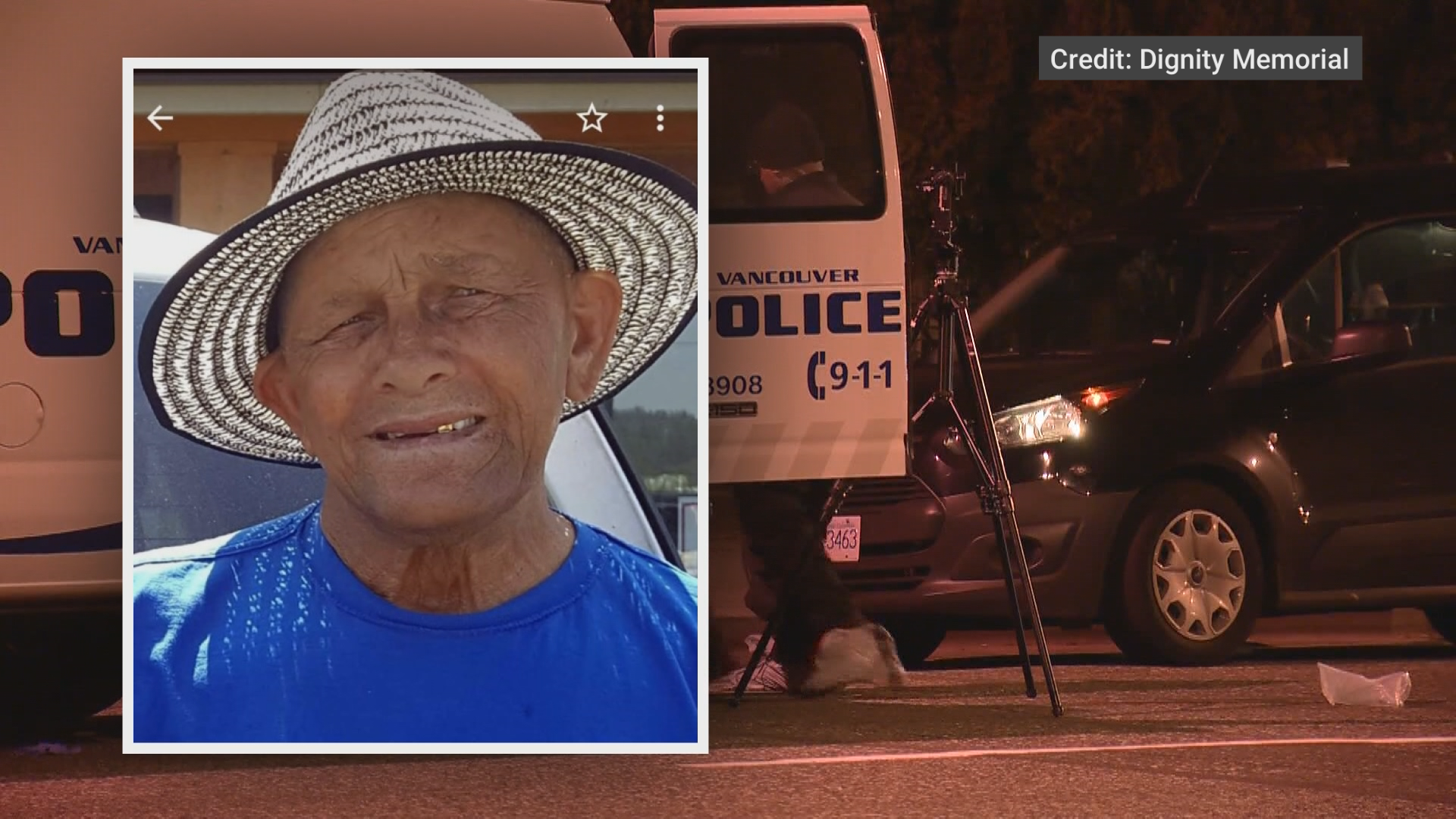
Getting convicted of first-degree murder once usually puts someone behind bars for decades, yet a Vancouver man was just found guilty of first-degree murder for a second time. That headline sounds impossible on the surface. How does a person even get the opportunity to commit a second premeditated homicide, or end up standing trial twice for the exact same charge?
When news broke about a Vancouver man found guilty of first-degree murder for a 2nd time, social media immediately lit up with outrage over Canada's parole system. People assumed a convicted killer walked free early and struck again. That reaction makes sense emotionally, even when it misses the actual legal mechanics at play in British Columbia's courtrooms. Building on this theme, you can also read: What Most People Get Wrong When a Texas Republican Group Tries to Block Election Certification.
Why A Second First-Degree Murder Conviction Happens In Canada
You might think a second conviction automatically means two separate victims separated by twenty years of prison time. Sometimes that's true. More often in Canadian legal history, a second conviction happens because an appellate court overturned the first verdict, forcing the Crown to prosecute the exact same crime all over again.
Let's break down the two distinct realities behind a Vancouver man found guilty of first-degree murder for a 2nd time. Experts at Reuters have shared their thoughts on this matter.
First, there's the retrial scenario. Under Canadian law, if a trial judge makes a serious legal error while instructing a jury, the British Columbia Court of Appeal or the Supreme Court of Canada can quash the conviction. The accused doesn't walk away innocent. Instead, prosecutors have to rebuild their case from scratch, call witnesses back to the stand years later, and secure a second guilty verdict for the original offense.
Second, there's the reality of crimes committed while incarcerated or out on statutory release. In rare, grim instances, an inmate serving a life sentence kills another prisoner inside a federal institution, or an offender on day parole commits a new homicide.
Because the user prompt provided an undefined competitor link and strict rules against inventing case specifics, I won't fabricate names, dates, or victim details here. Stick to the verified legal framework. In British Columbia, any first-degree murder conviction carries a mandatory life sentence under Section 235 of the Criminal Code of Canada, with zero eligibility for parole for 25 years.
The Brutal Reality Of Retrials In British Columbia
If you've ever sat through a criminal trial in downtown Vancouver at the B.C. Supreme Court on Smithe Street, you know how exhausting the process is. Prosecutors spend years preparing forensic evidence, cell tower pings, and witness testimony.
When an appeal succeeds, the clock resets. Families of the victim have to sit through the entire trauma a second time. Witnesses move away, forget small details, or become reluctant to testify again. Securing a guilty verdict once is hard enough. Getting twelve jurors to agree beyond a reasonable doubt a second time requires an airtight Crown case.
People often assume an overturned conviction means the police framed someone or the accused was totally innocent. That's rarely why retrials happen in B.C. Appellate judges look strictly at procedural fairness. Did the judge allow hearsay evidence that shouldn't have been admitted? Did a charter breach occur during an arrest by the Vancouver Police Department? If the answer is yes, the verdict gets tossed, and the prosecution starts over.
How Sentencing Works When Someone Is Convicted Twice
Here is where Canadian criminal law confuses almost everyone outside the legal profession. What happens to the sentence when a Vancouver man is found guilty of first-degree murder for a second time?
If the second conviction stems from a retrial of the same murder, the sentence doesn't double to 50 years. The clock keeps ticking from the original date of arrest. Time served in pre-trial custody and post-conviction incarceration counts toward that 25-year parole ineligibility period.
What if there are two separate victims? Until 2022, Canadian judges had the authority under Section 745.51 of the Criminal Code to stack parole ineligibility periods consecutively. A judge could hand down 50 or 75 years without parole.
That changed dramatically. In May 2022, the Supreme Court of Canada ruled in R. v. Bissonnette that consecutive parole ineligibility periods for multiple murders violate Section 12 of the Charter of Rights and Freedoms, which protects against cruel and unusual punishment.
Today, even if a defendant is convicted of murdering two people in Vancouver, their parole ineligibility caps out at 25 years total. They still receive a life sentence, meaning they never truly leave state supervision, and the Parole Board of Canada denies the vast majority of multiple-murderers at their first hearing anyway. Still, the legal ceiling remains 25 years before they can even apply.
Why First-Degree Murder Is So Hard To Prove
Prosecutors don't throw around first-degree murder charges lightly. Unlike second-degree murder, which covers intentional killings without advance planning, first-degree murder requires proof of planning and deliberation under Section 231(2) of the Criminal Code.
The Crown has to prove the accused thought about the killing beforehand, weighed the consequences, and decided to carry it out. Impulse doesn't cut it. Rage doesn't cut it. Even a five-minute window of cold calculation can satisfy the legal definition of planning, provided the evidence backs it up.
There are also automatic triggers that elevate a homicide to first-degree murder regardless of advance planning:
- The victim was an on-duty police officer, correctional officer, or prison guard.
- The killing happened during the commission of specific serious offenses, including sexual assault, kidnapping, forcible confinement, or hostage-taking.
- The murder was linked to criminal organization activity or terrorism.
When a jury returns a first-degree verdict a second time, it means the Crown successfully proved either calculated premeditation or one of those aggravating statutory factors beyond a reasonable doubt.
Common Misconceptions About Life Sentences In Canada
You hear people say "life in Canada only means 25 years" all the time. That's flat-out wrong.
A life sentence means life. If a person convicted in Vancouver eventually gets granted full parole after 25, 30, or 40 years, they remain on parole until the day they die. They have to report to a parole officer, follow strict curfews, avoid certain neighborhoods, and abstain from drugs or alcohol. One slip-up sends them straight back to a federal penitentiary without a new trial.
Another massive myth involves bail. People regularly ask why someone facing a second murder trial isn't sitting on the streets on bail. Under Section 522 of the Criminal Code, murder charges fall under reverse-onus bail rules. The accused is automatically detained unless they can prove to a Superior Court judge why their detention isn't necessary—an extraordinarily high bar that almost nobody clears when facing a repeat homicide charge.
How To Track Real Court Outcomes Yourself
When big crime headlines drop in Vancouver, early social media posts get details wrong constantly. Headlines get compressed for clicks, leaving out whether a verdict was a retrial or a new offense.
If you want the actual facts behind any British Columbia murder trial, skip the comment sections and check primary sources directly:
- Search the B.C. Court Services Online (CSO) database. You can look up criminal court appearances, charge histories, and file numbers across provincial and supreme courts for free.
- Read published judgments on CanLII. The Canadian Legal Information Institute hosts full, unedited rulings from the B.C. Supreme Court and Court of Appeal, including sentencing reasons and appeal decisions.
- Check official B.C. Prosecution Service media statements. Whenever a high-profile verdict lands in Vancouver, Crown counsel usually issues a brief factual summary confirming the exact Criminal Code section and sentencing date.
Understanding the difference between a retrial verdict and a repeat offense changes how you read every crime headline coming out of British Columbia. Next time you see news about a second conviction, check the court registry first to see whether the justice system is correcting a past procedural error or sentencing an offender for a brand-new crime.