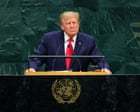
When Donald Trump stepped up to the podium at the United Nations General Assembly, nobody expected a diplomatic olive branch. He delivered something far punchier instead, demanding that international allies enforce the complete economic isolation of Tehran.
If you only caught the headline, you missed the real chess game happening underneath. Foreign policy analysts love to treat these speeches as mere political theater. They're wrong. When a sitting U.S. president explicitly tells global partners to lock down trade and sever financial lifelines during an active regional crisis, the ripple effects hit energy markets and shipping lanes immediately.
Let's look at what actually drove this speech and why the timing matters more than the rhetoric itself.
The Midterm Calculus Behind the Bluster
Trump didn't pull this stance out of thin air. During his address, he made a revealing admission about negotiations. He claimed he expects a deal with Iran to materialize right after the U.S. midterm elections, arguing that Tehran is simply waiting to see how domestic political winds blow.
That is a very specific political calculation. By tying foreign policy outcomes to domestic voting cycles, the administration is signaling to foreign adversaries that pressure will remain dialed up to maximum intensity until leverage peaks. Tehran knows the score. They've maintained a stranglehold over vital energy shipping routes through the Strait of Hormuz since early conflicts flared up, turning crude oil prices into a daily barometer of geopolitical anxiety.
Why Complete Economic Isolation is Harder Than It Sounds
Asking the world to shut out an energy-rich nation isn't a simple switch you can flip from New York. Global markets are messy. European and Asian economies still grapple with fragile supply chains, and absolute isolation requires unanimous cooperation that allies rarely deliver.
Look at how other major players responded on the ground. While Washington pushes for a total freeze, regional actors and delegations often use the UN stage to posture, push back, or angle for behind-the-scenes backdoor deals. Cuba's delegation walked out after Trump labeled their government a failed state, and similar friction defines how different capitals view the Middle East standoff. Economic chokeholds sound clean in a speech, but enforcement is where alliances usually fracture.
What Comes Next for Global Markets
You can't separate this diplomatic pressure from the price at the pump or global logistics. Energy shipping through Gulf chokepoints remains vulnerable to retaliatory strikes and regional flashpoints. When leaders call for severe economic freezes, shipping insurers, maritime operators, and oil traders react instantly.
If you're watching global markets or tracking international relations, stop waiting for a sudden diplomatic breakthrough at the UN. Real shifts won't happen inside the grand assembly hall. Watch the post-election political landscape and pay attention to whether major international buyers actually comply with Washington's demands to starve Tehran of commercial revenue. That's where the rubber meets the road.
Watch Trump's UN address regarding Iran
This video provides direct footage of the UN General Assembly speech where the economic isolation directive was issued.