Climate chaos is rewriting the rules of agriculture. Traditional annual crops, which demand a yearly cycle of plowing, planting, and harvesting, are increasingly buckling under extreme weather. Flash droughts burn out shallow roots, while torrential downpours wash away unprotected topsoil. Enter perennial grains. These are long-lived crops that stay in the ground for multiple years, building massive root systems that laugh off dry spells and hold soil together when the skies open up.
If you think modern farming can just keep doing what it has done for the last century, you're missing the unfolding crisis beneath our feet. Soil degradation could cause more than twenty trillion dollars in global economic losses by 2050, according to a United Nations report. Annual cultivation strains the earth, destroying soil formation that takes thousands of years to build. Perennial crops offer a way out of this destructive loop.
The Reality of Growing Perennial Grains
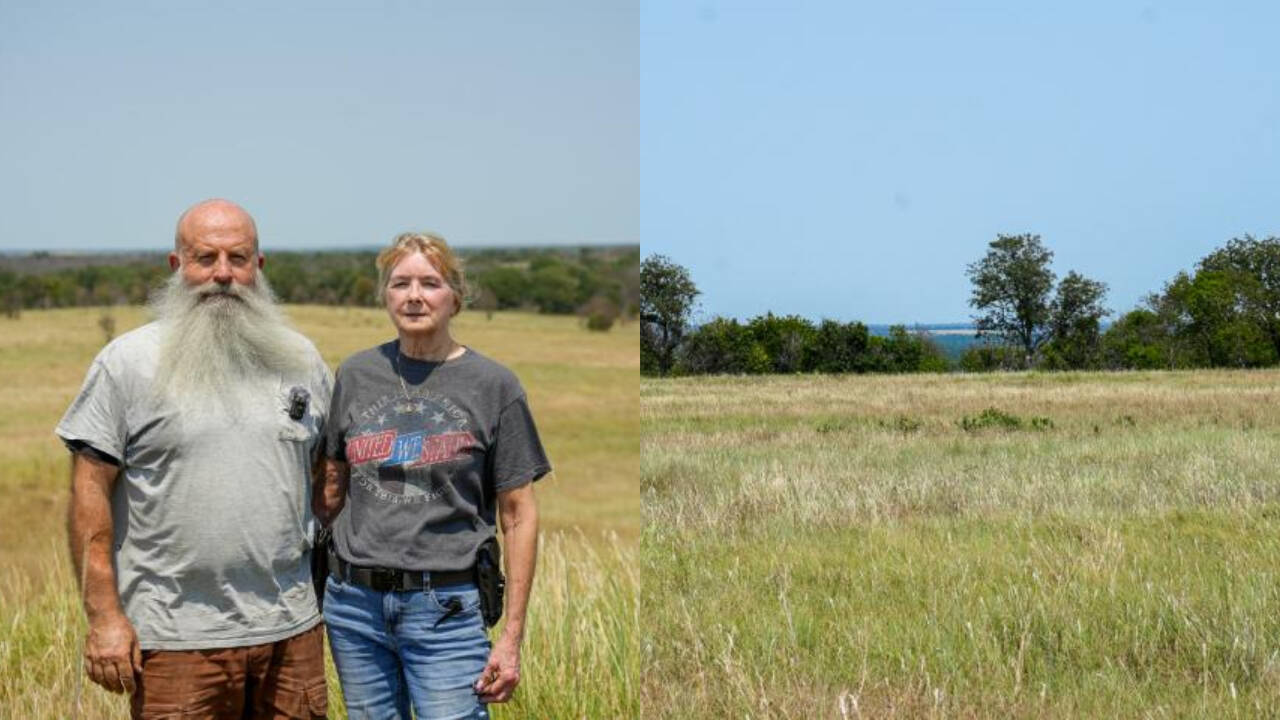
Take Kernza, for example. It's a perennial grain related to wheatgrass that researchers at The Land Institute in Salina, Kansas, have spent decades domesticating. Farmers like David Mueller in Halstead, Kansas, have planted acreage of it to manage problem fields with poor drainage or to rebuild organic matter.
Unlike winter or spring wheat, which must be sown anew every single year, Kernza stays put. Its roots can plunge several feet deep into the earth, allowing the plant to scavenge for water far below the reach of conventional crops. That deep root network acts like a sponge during heavy rains, absorbing excess water and preventing the kind of devastating runoff that triggers massive erosion.
There's also a major labor and input savings. Mueller notes that Kernza uses about a third of the fertilizer that standard wheat requires. Because the crop stays in the ground for years, farmers don't need to run heavy, gas-burning machinery for annual tillage as frequently. They build soil health while keeping marginal acres profitable.
Why the Transition is Moving Slowly
If perennials are so great, why isn't every farmer ripping out their annual fields tomorrow? The hurdles are real, and pretending they don't exist won't help anyone.
First, the yields are low. Lee DeHaan, who leads the Kernza domestication program at The Land Institute, notes that current yields hover around twenty to forty percent of what a standard local wheat crop produces. Breeding a plant to survive winter and put energy into deep root systems means it spends less energy pumping out massive amounts of seed.
Second, the infrastructure isn't fully built yet. Harvesting perennial grains requires specialized adjustments, and the supply chain from farm to bakery is still in its infancy. Consumers might find Kernza flour, baking mixes, or specialty craft beers at local shops or independent makers like Prairy in Kansas, but you won't find it dominating supermarket shelves just yet. Scale takes time, and genetic domestication is a slow science.
The Bigger Picture for Soil Carbon
Beyond surviving weather extremes, these crops change how agriculture interacts with the atmosphere. Soil acts as a massive carbon reservoir, trapping planet-warming carbon dioxide. Traditional plowing releases that trapped carbon back into the air.
Perennials pull carbon down through their extensive roots and lock it deep underground, where it stays undisturbed by annual tilling. Laura van der Pol, lead soil ecologist at The Land Institute, points out that incorporating perennials is basically the only option we have to preserve arable soil for future generations. Without a shift toward permanent ground cover, keeping food production stable on a warming planet becomes nearly impossible.
Getting started with perennial agriculture requires patience and experimentation. If you're a grower looking at erratic weather patterns, start small by identifying marginal acreage that suffers from chronic erosion or poor water retention. Keep an eye on regional agricultural extension programs partnering with perennial research groups to source test seeds and learn best management practices for your specific climate zone.