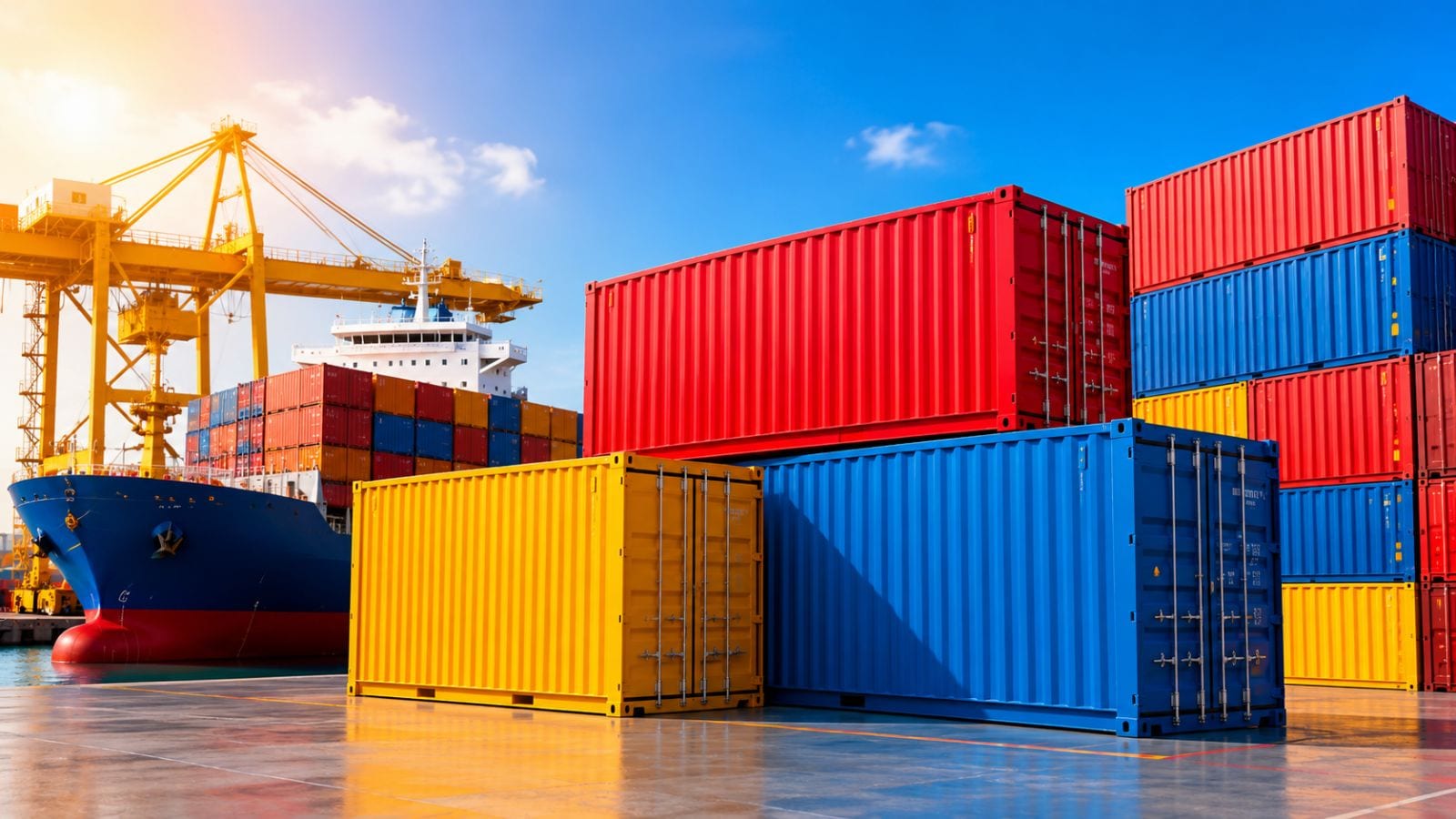
The financial press is currently celebrating a mirage. Headlines proclaim that because tankers are moving smoothly through the Strait of Hormuz, the global energy crisis is averted and oil prices can safely slide back into comfortable territory.
This is a dangerous misreading of how energy markets and modern geopolitics actually intersect.
The lazy consensus assumes that physical throughput equals stability. It does not. The fact that ships are moving in and out of the Persian Gulf right now does not mean the underlying structural risks have evaporated. It means the market has briefly ran out of immediate panic to price in. If you are managing capital or plotting corporate strategy based on the assumption that a temporary lull in shipping disruptions equals a healed supply chain, you are setting yourself up for a brutal awakening.
The Mirage of the Fluid Strait
Mainstream analysts love a simple narrative. Ship moves, supply increases, price drops. It looks clean on a chart. But anyone who has spent years analyzing maritime logistics or trading commodity derivatives knows that physical flow is a lagging indicator of actual stability.
The Strait of Hormuz handles roughly one-fifth of the world's liquid petroleum consumption. When tankers navigate it without incident for a few weeks, algorithmic trading models automatically dump risk premium. What these models miss—and what the commentators overlook—is that the risk has not been mitigated; it has merely been institutionalized.
Insurance underwriters are not lowering premiums just because a few vessels crossed the Gulf without a scratch this week. War risk insurance surcharges remain stubbornly high. Shipping companies are quietly baking these elevated operational costs into long-term freight rates. The oil leaving the Gulf might look cheaper on a spot price ticker today, but the systemic cost of moving that oil is permanently resetting at a higher baseline.
Why the Premise of Cheap Oil is Flawed
People constantly ask: "When will oil prices return to a stable, predictable baseline?"
The question itself is flawed. It assumes that the baseline of the last decade was normal. It was not. It was an anomaly driven by a massive, debt-fueled American shale boom and a relatively stable geopolitical framework that no longer exists.
Let's dismantle the current logic. The argument states that easing bottlenecks in the Persian Gulf allows OPEC+ production to flow freely, thereby capping price spikes. But this ignores a fundamental structural reality: spare production capacity globally is razor-thin.
Imagine a scenario where a refinery in Asia or Europe expects a steady delivery of Saudi Light based on current smooth shipping data. They optimize their runs for that specific crude. If a single drone incident or political standoff halts traffic for even forty-eight hours, the lack of immediate, alternative spare capacity means spot prices will gap upward instantly. The current price decline is not a reflection of oversupply; it is a reflection of short-term speculative positioning. Traders are picking up pennies in front of a steamroller.
The Cost of the Illusion
I have seen energy funds lose hundreds of millions of dollars by buying into the "normalization" narrative too early. In 2019, following the Abqaiq drone strikes, the consensus was that repairs would take months and prices would skyrocket. The opposite happened; production restored quickly, and prices collapsed. Then, everyone assumed the risk was gone. Months later, structural instability reared its head again, catching unhedged players completely off guard.
The same pattern is playing out now. By focusing entirely on vessel tracking data, the market is blind to the broader macroeconomic reality.
- Underinvestment: Global capital expenditure in upstream oil and gas has been declining for years. Smooth shipping cannot replace depleting reserves.
- Inventory Depletion: Strategic reserves across major consuming nations are at historically low levels. The buffer is gone.
- Geopolitical Re-alignment: National oil companies in the Middle East are increasingly looking toward bilateral long-term contracts with Asian superpowers, bypassing the open Western spot market entirely.
This means that while the headline spot price drops today because a few tankers cleared port, the structural availability of unallocated crude for Western markets is actually tightening.
Stop Watching the Tankers, Watch the Paper
If you want to know where the energy market is actually going, stop looking at satellite imagery of the Persian Gulf. Start looking at the time spreads in the futures markets.
When the front-month contract is trading at a steep premium to later months—a state known as backwardation—it tells you that physical barrels are scarce right now, regardless of what the headline price says. Currently, even as headline prices dip on the "easing tension" narrative, the underlying spreads show a persistent, stubborn tightness. The paper market knows the truth, even if the journalists do not.
The contrarian reality is uncomfortable: lower oil prices right now are actually a bearish signal for long-term economic stability. They discourage the very capital investment required to secure future energy supplies. Every week that oil prices remain artificially depressed by superficial sentiment is a week where the next supply crunch becomes more severe.
The Actionable Pivot
For corporate buyers and macro investors, the strategy is clear. Do not buy into the relief rally.
Do not look at the easing of Persian Gulf traffic as a sign to leave your supply chains unhedged for 2027 and beyond. The downside of being unprotected against a sudden, violent structural price spike vastly outweighs the minor savings of buying spot oil during a temporary sentiment-driven dip.
Lock in long-term hedges while the market is foolish enough to offer them at a discount. Treat this period of smooth shipping not as a return to normal, but as a window of opportunity to prepare for the inevitable structural squeeze. The ships are moving today. That is precisely why you should prepare for the day they stop.