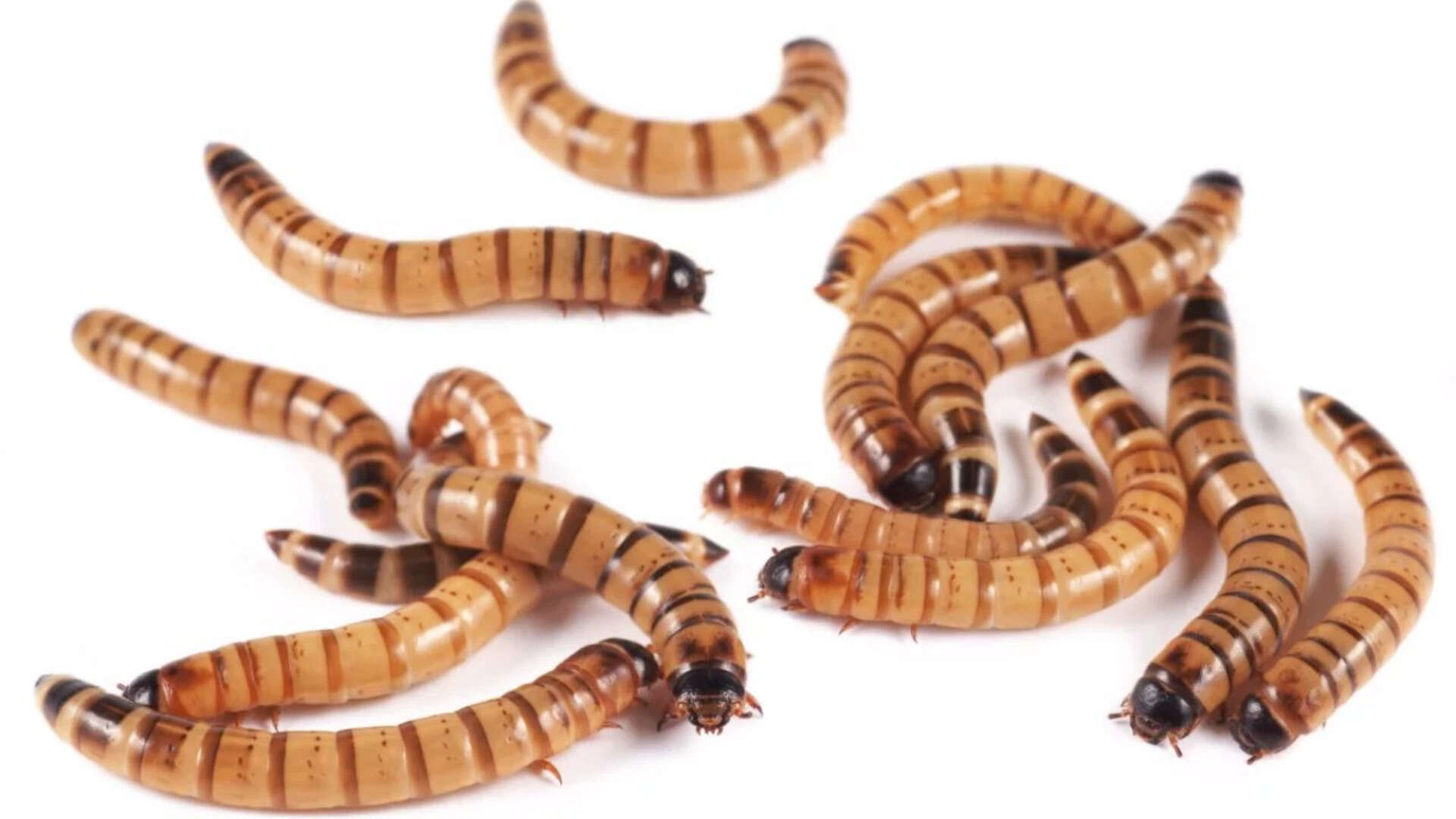
If you walk into a neighborhood pet store, you'll see container after container of wriggling, oversized larvae known as superworms. Reptile owners buy them every day by the dozen to feed bearded dragons and geckos. Yet researchers recently discovered that these common feeder bugs possess abilities that go far beyond standard lizard food.
When scientists tested Zophobas morio larvae on animal specimens, they wanted to see how well these insects could clean delicate skeletal remains. Museum curators and biologists usually rely on dermestid beetles to strip meat from bones. It's a messy process. Dermestids take weeks to build stable colonies, require strict environmental controls, and can easily escape to destroy museum collections.
Superworms change that dynamic entirely.
How Darkling Beetle Larvae Outperform Traditional Flesh Cleaners
Standard flesh-eating beetles are notoriously finicky. If a colony drops below specific humidity levels, the bugs stop working or die off.
Superworms are far tougher. They eat aggressively, grow rapidly, and consume tough tissue that other scavengers ignore. In comparative tests, the larvae cleared soft tissue from small animal carcasses with surprising speed. They left fragile cartilage intact while removing decaying meat that usually requires tedious manual scraping under a microscope.
I've talked to lab technicians who spent hours picking residual tissue off delicate avian bones using fine forceps. It's tedious, frustrating work. Finding an insect that handles precision cleaning without chewing straight through delicate bone structures saves hundreds of labor hours.
The secret lies in their mouthpart mechanics and gut enzymes. Unlike adult beetles that sometimes gnaw indiscriminately, superworm larvae scrape surface tissue systematically. They stop once they hit hard calcified material.
Beyond Skeletal Prep and Into Plastic Waste
Cleaning bones isn't the only trick up their sleeve. Researchers at the University of Queensland previously tracked how these larvae process synthetic materials.
They don't just chew through polystyrene foam. They actually digest it.
Specialized bacterial strains inside their digestive tract break down chemical bonds in polystyrene, turning plastic waste into biomass. Combine that gut microbiome with their aggressive feeding habits on biological tissue, and you have one of the most versatile biological tools hiding in plain sight at your local pet supply shop.
Most people assume pet-store feeder insects are simple, mass-bred feeder feed. That's a mistake. The biological adaptability of Zophobas morio makes them far more resilient than species bred exclusively for lab environments.
What This Means for Labs and Natural History Museums
You don't need a massive budget to set up a superworm cleaning station. That's the real advantage for small universities and high school biology departments.
Traditional dermestid setups demand dedicated, well-ventilated bug rooms because the smell of rotting flesh and beetle frass is overwhelming. Superworms work faster in smaller batches, meaning specimens don't sit around rotting long enough to create unbearable odors.
If you want to test this in your own research or collection prep, keep a few operational rules in mind.
First, keep individual feeding groups separated by specimen size. Superworms can turn cannibalistic if crowded without enough moisture or protein source.
Second, monitor them during the final stages of bone cleaning. While they rarely chew dense bone, hungry larvae will start nibbling soft cartilage once the main muscle tissue vanishes. Move specimens out of the container the moment the hard skeletal structure is bare.
Finally, maintain temperatures around 25 to 28 degrees Celsius for peak metabolic activity. Lower temperatures slow their feeding habits drastically, defeating the purpose of using them over standard methods.