The screen flickered. A pixelated corridor of concrete dust and broken iron danced under the midday glare. To an infantryman huddled behind a shattered wall three hundred yards away, that screen was not a piece of glass. It was safety. It was the difference between walking blindly into an ambush and knowing precisely which corner held a shadow that breathed.
Then the feed went black.
Not because of enemy fire. Not because of a jammed rotor or a severed cable. The blackness came from an order whispered down a secure comms channel, an abrupt halt that echoed through the command tents and shook the frontline doctrine of the Israel Defense Forces to its roots. Two soldiers were dead. Two young men whose lives had been tethered to the hum of rotors, the buzz of electronics, and the deceptive promise of omnniscience.
And suddenly, every small drone in the sky froze.
We have built our modern conflicts on the illusion of distance. We talk of warfare as if it were a grand chess match played by men sitting in air-conditioned trailers thousands of miles away, staring at high-definition monitors. We imagine that technology strips the terror from the trench. But walk a mile in the heavy boots of a platoon commander operating in dense urban rubble, and you learn a different truth. The closer you get to the machine, the more human the risk becomes.
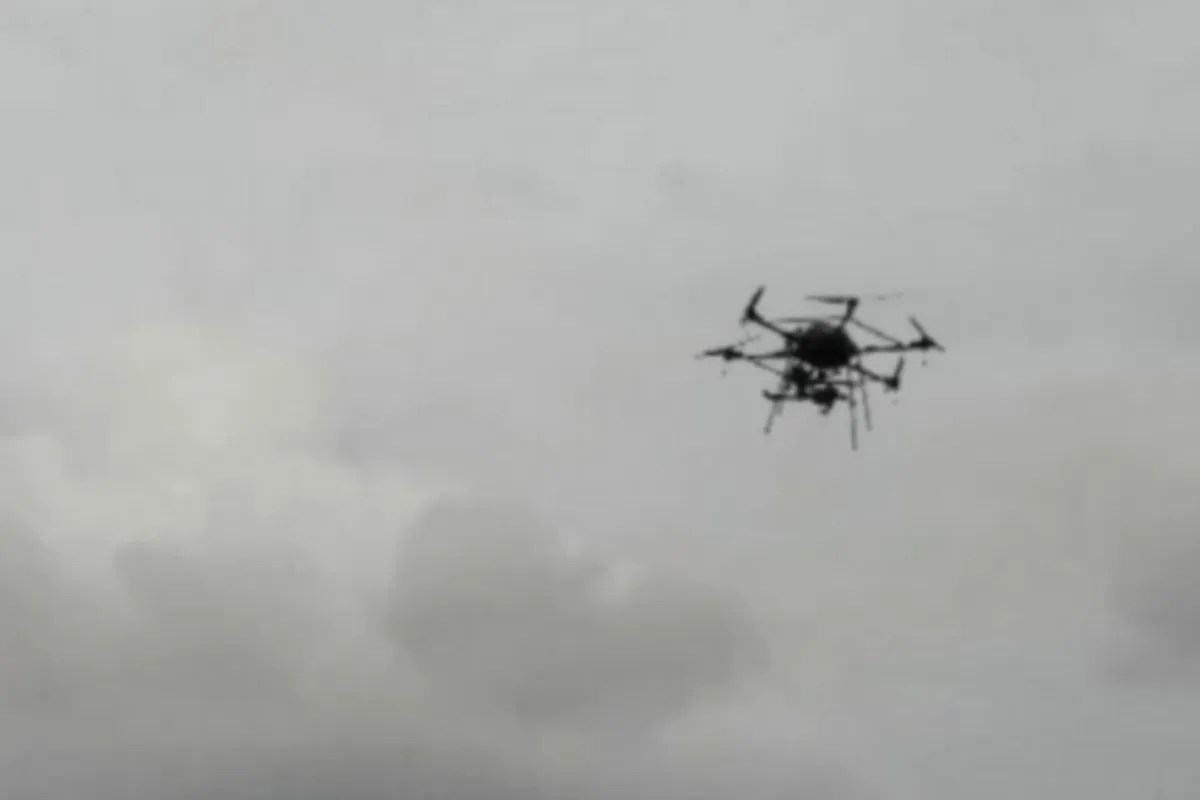
Consider what happens when a squad enters a hostile alleyway. For years, the standard operating procedure relied on a handheld quadcopter—a small, four-bladed sentinel weighing less than a backpack, capable of slipping through a shattered second-story window to map the rooms ahead. These micro tactical drones are the modern soldier's third eye. They look over courtyard walls. They peer down dark corridors. They sniff out movement where human eyes fail. They are small, seemingly disposable tools designed to absorb the first wave of uncertainty so flesh and bone do not have to.
Except, flesh and bone still carry them. Flesh and bone still program them, launch them, retrieve them, and stand exposed while the telemetry links establish connection.
The recent tragedy that triggered this sudden, unyielding operational freeze did not stem from a mechanical malfunction in the silicon chips. It struck at the fragile intersection where human vulnerability meets automated expectation. When two soldiers lost their lives during operations involving these compact reconnaissance assets, the military machine did what it rarely does in the heat of active engagement. It pressed the emergency stop button. It pulled every tactical quadcopter out of the sky, grounding the very eyes that infantry units had come to treat as essential as their rifles.
Why? Because when a tool becomes indispensable, its failure is no longer just an inconvenience. It is a catastrophe.
To understand the weight of this decision, one must look past the acronyms and specifications. A small tactical drone is deceptively simple. Unlike the massive, grey predator drones that patrol high above international borders, these micro-copters are tactical infantry assets. They belong to the sergeant in the mud. They are pulled from rucksacks, powered up by cold fingers, and launched into the teeth of an urban canyon. They run on rechargeable batteries that offer precious few minutes of flight time, creating an atmosphere of frantic urgency for every operator.
When you are rushing to scan a room before your team breaches the threshold, every second ticks like a bomb. You are looking at the screen, not at your own feet. You are listening to the whine of the propellers, not the sounds of the street.
That cognitive load is immense. And in asymmetric warfare, the enemy learns to exploit every distraction. If a small drone hovering outside a window reveals a squad's position, or if the radio frequency emissions beacon the operator's location to waiting interceptors, that convenient little helper transforms into a beacon of mortal danger. The Israel Defense Forces realized that before another soldier pays the ultimate price for technological reliance, they needed to strip the system down, examine the wiring, audit the protocols, and ask the hardest question an army can face.
Are these machines keeping our people alive, or are they simply changing the way they die?
The freeze is temporary, military officials insist, but the implications are permanent. Ground units accustomed to seeing through walls must now rely once more on the oldest, crudest, and most terrifying method of reconnaissance known to history.
Footsteps. Mirrors on sticks. Shouted warnings. The slow, agonizing clearance of a room one suspicious doorway at a time.
This is the hidden tax of technological advancement. Every time we introduce a layer of abstraction between the soldier and the threat, we risk creating a false sense of invulnerability. We begin to trust the sensor more than our own gut instincts. When the sensor fails, or when it draws the enemy's wrath directly to the operator standing in the courtyard, the shockwave is devastating.
Down in the dust, the infantrymen wait. The sky above them is quiet now, stripped of the mechanical buzzing that had become the soundtrack of modern combat. They check their gear. They adjust their straps. They look at each other with eyes that have seen too much to ever truly trust a machine again.
The screens are dark. The skies are empty. And the human heart beats on, alone in the silence.