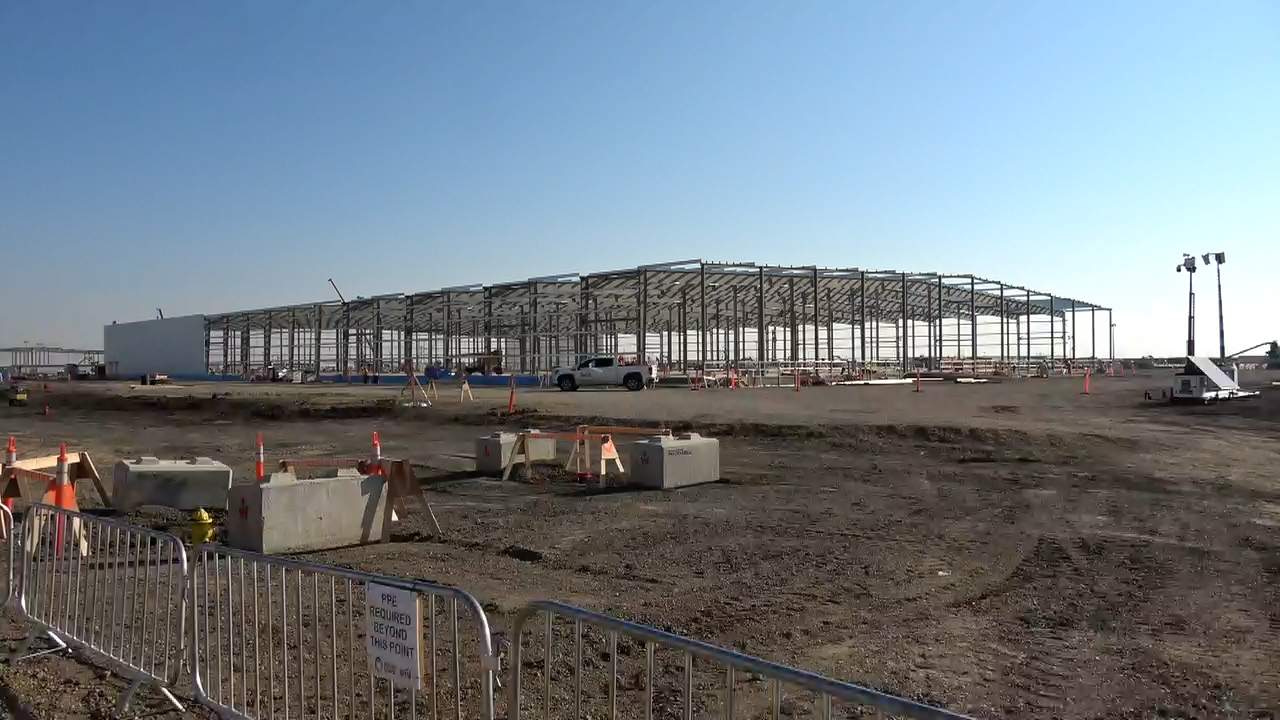
Politicians love a shiny new tech project right up until the moment they actually have to govern it. Look at the political circus surrounding Bell’s AI data centre strategy in Canada, and you'll see two sides shouting past each other while missing the real problem entirely.
On one side, you've got politicians cheering every press release as an automatic win for domestic innovation and job creation. On the other, critics act like every megawatt of computing power is a direct theft from the public grid and a handout to a massive telecom monopoly. Both views are lazy. When you strip away the partisan talking points, Bell’s push into sovereign AI infrastructure—anchored by its Ateko tech services brand and planned multi-hundred-megawatt data centre buildouts in British Columbia—comes down to grid physics, capital allocation, and regulatory reality. Neither party wants to talk about the boring parts, even though the boring parts determine whether taxpayers win or lose.
The Myth of the Instant Tech Boom
If you listen to the pro-subsidy crowd in Ottawa and provincial capitals, throwing public money or fast-track permits at telecom-backed data centres guarantees a booming local economy. That's simply not how modern AI infrastructure works.
Once the concrete is poured and the liquid-cooled server racks are bolted down, a massive data centre runs on a skeleton crew. Construction brings temporary trades jobs for eighteen months, sure. After that, a facility drawing 100 megawatts might employ fewer permanent staff than a mid-sized grocery store. When politicians brag about "thousands of long-term high-tech jobs" tied directly to server farms, they're counting indirect supply-chain projections that rarely materialize in the communities hosting the buildings.
Here's what actually matters economically: who owns the intellectual property running on those chips, and where does the software value go? Building the warehouse doesn't make Canada an AI superpower any more than building a highway makes you an automaker. If Bell builds high-density compute facilities and fills them with imported Nvidia GPUs just to rent capacity back to American hyperscalers, we've essentially turned ourselves into a digital landlord. Renting out floor space and cheap electricity isn't an industrial strategy. It's a real estate play.
Why the Anti-Data Centre Backlash Misses the Mark
Swing over to the opposition benches, and the arguments don't get any sharper. Critics of Bell’s AI data centre expansion love to frame the issue as a zero-sum fight between greedy telecom executives and everyday families trying to keep the lights on. They point to strained provincial grids, rising industrial power requests, and Bell’s controversial history of receiving federal funds while cutting thousands of legacy telecom jobs.
The frustration with Bell’s corporate track record is completely fair. Nobody forgets watching a company accept public subsidies one year and slash newsrooms and call-centre staff the next.
Blaming data centres for grid fragility, however, confuses the symptom with the disease. Canada’s provincial utilities spent decades under-investing in transmission lines and baseline generation because demand growth was flat. Now that electrification, EVs, and AI compute are arriving at the same time, politicians want a convenient villain to distract from twenty years of deferred maintenance. Blocking or stalling domestic compute projects won't fix a weak electrical grid. It just guarantees that Canadian hospitals, banks, and researchers will have to send their sensitive data across the border to servers in Virginia or Oregon, paying American firms in U.S. dollars while surrendering data sovereignty.
The Sovereign AI Trap Nobody Explains Properly
You hear the phrase "sovereign AI" thrown around constantly in speeches about Bell’s infrastructure plans. Politicians use it like a magic spell. They assume that if a server sits on Canadian soil and carries a Canadian corporate logo, our national security and privacy are automatically protected.
Let's look at the actual plumbing. Hardware supply chains remain overwhelmingly concentrated outside Canada. Software stacks, foundational models, and cloud orchestration layers are still dominated by a handful of U.S. tech giants. Even when a domestic telecom builds the physical facility, the minute you plug into global cloud ecosystems or rely on foreign chipmakers for firmware updates, true sovereignty gets complicated fast.
Real sovereignty requires strict legal and technical boundaries—not just a Canadian postal code. If governments want to back Bell's data centre rollout, they shouldn't just hand over clean power allocations and tax breaks on faith. They need binding rules on data residency, open access for Canadian startups, and strict limits on how much capacity can be resold to foreign tech monopolies. Right now, neither party is writing those rules into law. One side wants to deregulate everything and hope the market sorts it out; the other wants to block projects out of spite.
Power Grids, Water, and Real Numbers
Ignore the press releases and follow the electricity. That's the only honest way to evaluate a data centre proposal.
Modern AI training clusters require radically different infrastructure than the sleepy enterprise server rooms of ten years ago. Older facilities ran at 5 to 10 kilowatts per rack. Next-generation AI racks pull 40, 80, or even over 100 kilowatts each. You can't cool that kind of heat with standard air conditioning; you need closed-loop liquid cooling systems and massive substation upgrades.
When a telecom announces hundreds of megawatts of planned AI capacity across British Columbia or central Canada, three practical questions decide whether the public gets a fair deal:
- Who pays for the transmission upgrades? If a utility spends hundreds of millions extending high-voltage lines to a new data centre campus, those costs must be ring-fenced so residential ratepayers aren't subsidizing corporate infrastructure on their monthly hydro bills.
- What happens to the waste heat? Progressive European data centres pipe excess thermal energy straight into municipal district heating systems or local greenhouses. North American projects still vent most of it into the atmosphere because regulators don't require heat-recovery plans up front.
- Are power commitments take-or-pay? Tech companies have a habit of reserving massive blocks of power in multiple provinces simultaneously, locking up grid capacity that other industries could use, only to scale back later. Utilities need ironclad financial penalties if reserved megawatts go unused.
Politicians rarely ask these questions during Question Period because transmission tariffs and closed-loop cooling don't fit on a bumper sticker.
What Smart Policy Actually Looks Like
If you're looking at this mess as a taxpayer, a tech worker, or a business owner, don't buy into the binary choice politicians are selling. You don't have to cheer blindly for corporate telecom subsidies, and you don't have to pretend AI infrastructure is a passing fad that we can safely ignore.
Hold local representatives and provincial regulators to concrete standards before another megawatt gets approved. Demand transparent ratepayer protections from provincial utility commissions so grid expansion costs stay squarely on the balance sheets of the companies building the facilities. Push for mandatory public-access tiers—requiring any data centre that receives public land, tax incentives, or preferential power rates to reserve a meaningful percentage of compute capacity at cost for Canadian universities, public health researchers, and early-stage domestic startups. And insist on clear transparency around Bell’s actual capital commitments versus taxpayer-backed loans, ensuring public dollars aren't simply offsetting corporate debt from legacy telecom acquisitions.
Until voters start demanding specifics on grid tariffs, compute access, and binding domestic rules, both parties will keep trading cheap soundbites while the real decisions get made behind closed doors.