A cold Chicago wind once shaped the breath of a boy who would grow up to walk the marble corridors of St. Peter's. He grew up playing on midwestern sidewalks, catching baseballs, and hearing the familiar hum of American ambition. Yet, when history pulled him upward into the highest office of the global Catholic Church, something quiet happened to his identity. He stopped wearing a nationality as armor.
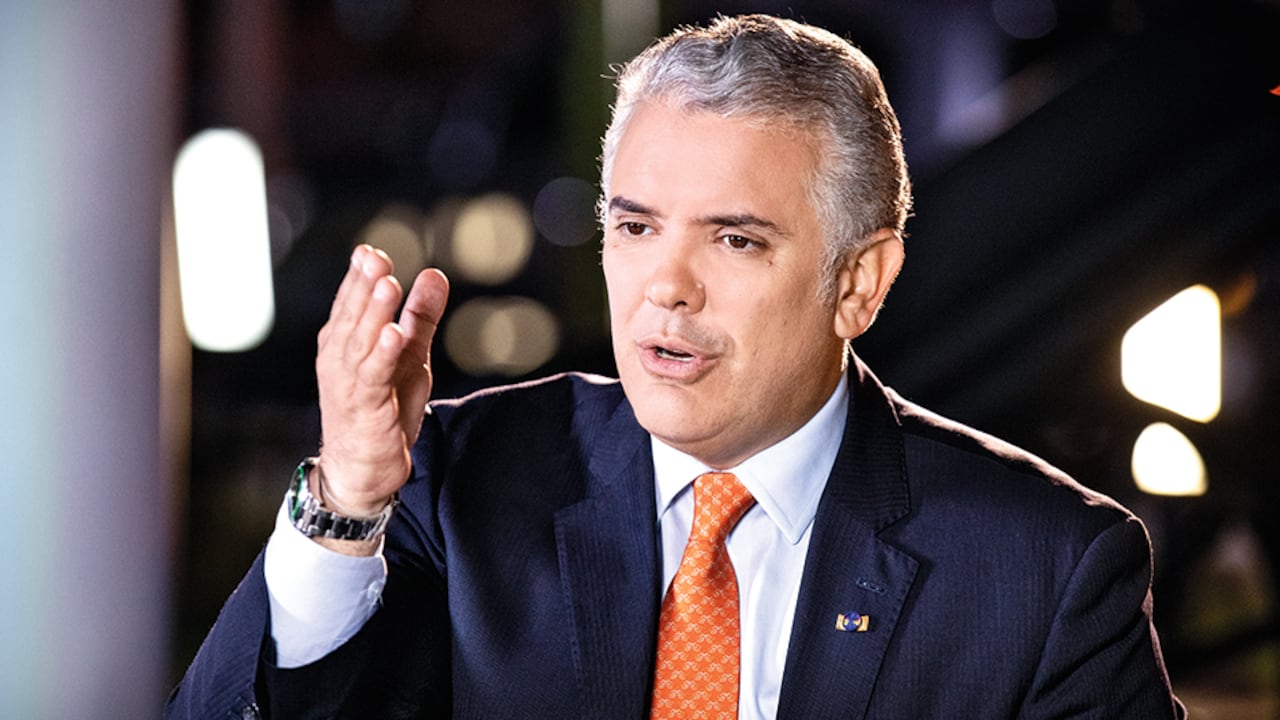
Pope Leo XIV sat down for an interview against the backdrop of Castel Gandolfo, addressing a world obsessed with borders, passports, and tribal flags. The question put to him was simple, almost transactional. How important is it to be an American?
His answer dismantled decades of geopolitical projection.
"I think of myself more as the pope who happens to be American," he said.
The distinction sounds subtle. It is actually seismic.
To understand the weight of that sentence, consider what it means to carry an American passport in the twenty-first century. It means carrying an implicit superpower baggage, an automatic assumption of cultural dominance, a loud economic footprint. For millions around the globe, an American in power looks like American power. But Pope Leo—born Robert Prevost on the South Side of Chicago—drew a sharp, deliberate line between his birthplace and his mandate.
He loves the United States. He is quick to admit it. He speaks warmly of the foundational ideals inscribed in the national DNA, pointing to a persistent sense of freedom and opportunity. He honors the grand, messy experiment of a nation built by generations of immigrants. He knows the soil. His own family story echoes that vast migration narrative, tracing an ancestry of mixed heritage, including grandparents who crossed oceans.
Yet, proximity to a homeland does not equal captivity to it.
"I understand my mission as having a very important dimension, which is precisely being pastor of a universal church," he explained.
Listen closely to that phrasing. Universal. Not localized. Not filtered through the star-spangled lens of midwestern nostalgia or Washington politics.
We live in an era where everyone is expected to declare a team. Every public figure must be dissected, categorized, and weaponized in a permanent cultural war. If a leader comes from a specific zip code, society demands they remain tethered to its local anxieties. When that leader refuses, it creates a fascinating disorientation.
Imagine standing on a balcony overlooking a billion and a half souls scattered across every continent, war zone, and poverty-stricken alleyway on earth. Imagine knowing that a casual word spoken in defense of one nation could alienate the persecuted flock in another. In that rarified air, national pride feels remarkably small. It feels like wearing winter boots in the middle of a desert.
The pontiff spent nearly twenty years as a missionary in Peru. That is where the local Chicago accent of his soul was stretched, tempered, and ultimately dissolved into something much wider. Dust on a cassock in South America teaches a man different lessons than concrete in Illinois. It teaches him that hunger sounds the same in Spanish, English, or Swahili. It teaches him that human dignity does not check its papers at the border.
When reporters press him on his citizenship or his roots, they are looking for a domestic angle. They want a home team hero. They want to claim a piece of the Vatican for the evening news cycle. But the man in white resists the reduction. He is a citizen of heaven operating inside a temporary earthly station, holding a dual reality of being born under one flag while swearing allegiance to a kingdom that refuses to be mapped.
This refusal to be tightly branded by nationality sends a quiet shockwave through modern diplomacy. Leaders are supposed to posture. Popes, at their best, are supposed to transcend.
By stepping back from the fierce gravity of American identity, Leo has done something radical. He has reminded a fractured world that belonging to a place is a wonderful gift, but belonging to humanity is a sacred duty.
The wind still blows off Lake Michigan. The memories of his early years remain intact. But the voice coming from Rome no longer belongs to any single nation. It belongs to the silence between heartbeats, the quiet spaces where borders finally vanish.