Geopolitical shortcuts always come due. When global superpowers call in favors, smaller nations often discover that accommodating them carries a heavy legal and political price tag. Portugal is learning this lesson right now.
Portuguese prosecutors have launched a formal inquiry into the government's decision to authorize United States military transit flights through the Lajes Air Base in the Azores during the conflict with Iran. What seemed like a routine alliance obligation under a decades-old treaty has quickly blown up into a domestic political crisis.
The Strategic Weight of Lajes Air Base
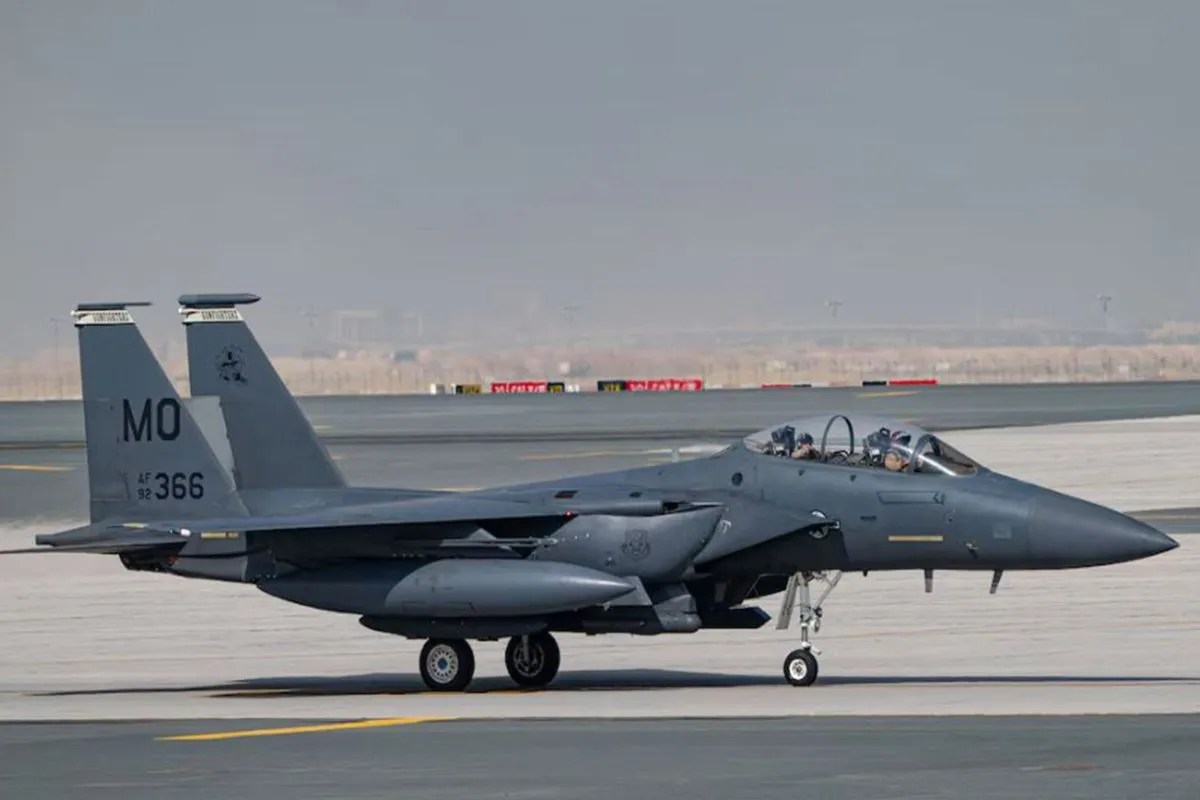
Nestled in the Atlantic archipelago of the Azores, the Lajes Air Base has been a vital logistics and transit node for decades. Operating under a bilateral defense agreement originally inked in 1951, the base hosts the U.S. Air Force's 65th Air Base Wing and routinely acts as a bridge between North America and European or Middle Eastern theaters.
For Washington, keeping access to Lajes open is non-negotiable when rapid transit across the Atlantic is required. For Lisbon, however, granting permission for flights linked to Middle Eastern flashpoints puts the ruling center-right government in a precarious spot. While neighboring European nations like Spain reportedly kept tighter reins on their airspace and military facilities for certain operations, Portugal chose a different path. They approved several U.S. transit flights, believing it was the price of maintaining a reliable partnership with the White House.
Why the Backlash Ignited So Quickly
The friction didn't materialize out of nowhere. The leftist political opposition, spearheaded by the Left Bloc, formally filed a complaint arguing that letting Washington use Portuguese sovereign territory for operations tied to the Iran war violated both domestic statutes and international legal frameworks.
Public prosecutors took the rare step of opening an official inquiry following that complaint. Foreign Minister Paulo Rangel has defended the move, insisting that the authorizations complied strictly with international law. The government maintains that Washington assured them the requested support operations were strictly defensive, necessary, and proportionate.
Critics aren't buying the official line. Opponents argue that giving a blanket green light makes Portugal complicit in foreign military actions that lack explicit United Nations mandates or broader European consensus. It turns a quiet island base into the center of a domestic legal storm.
The Reality of Junior Partnerships in Global Conflicts
This investigation highlights an uncomfortable truth about modern defense alliances. Smaller nations trapped in asymmetric partnerships often feel they have very little room to say no to a superpower. If you refuse, you risk diplomatic isolation and economic retaliation. If you say yes, you risk domestic backlash, legal challenges, and protests from citizens who oppose foreign entanglements.
Portugal didn't launch jets or fire missiles at Iran, but letting transport and support planes touch down on Azorean tarmac was enough to entangle the nation in the wider controversy. Prosecutors now have to decide whether the executive branch overstepped its constitutional bounds by greenlighting those flights without broader parliamentary sign-off.
No matter how the inquiry concludes, the political damage is already done. It exposes deep divisions within Portuguese politics over foreign policy alignment and proves that no government can quietly back a superpower's military logistics without facing scrutiny at home.