It's easier for a Toronto manufacturer to sell auto parts to Mexico than it is for an Alberta craft brewer to ship a flat of beer to Ontario. That isn't an exaggeration. It's the absurd daily reality of doing business inside Canada.
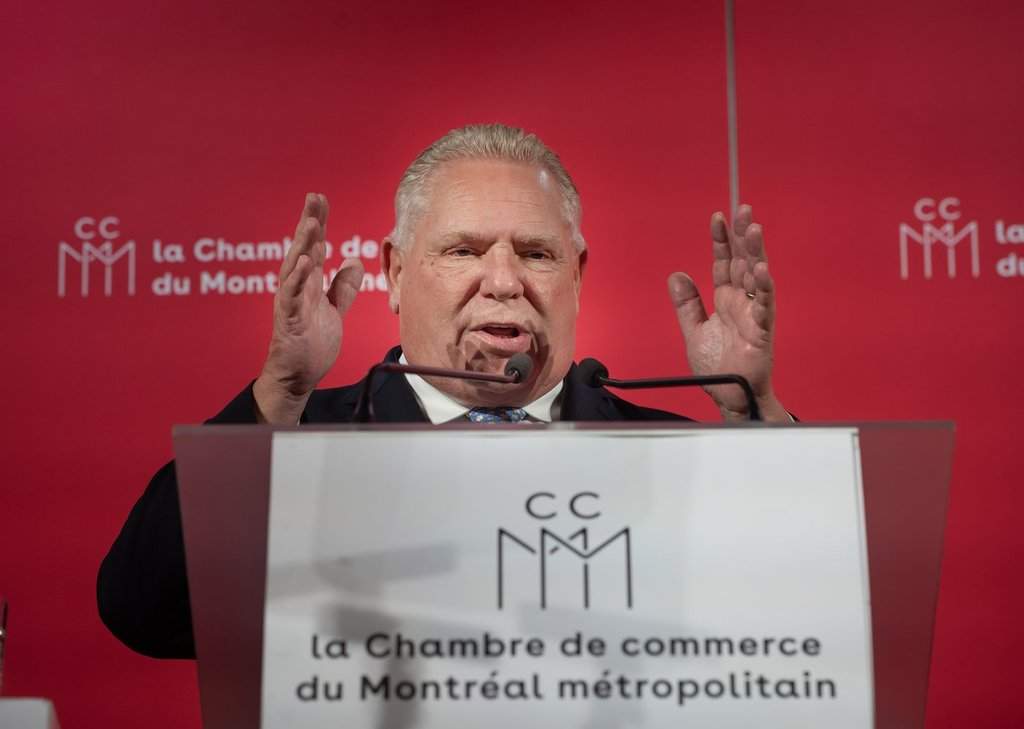
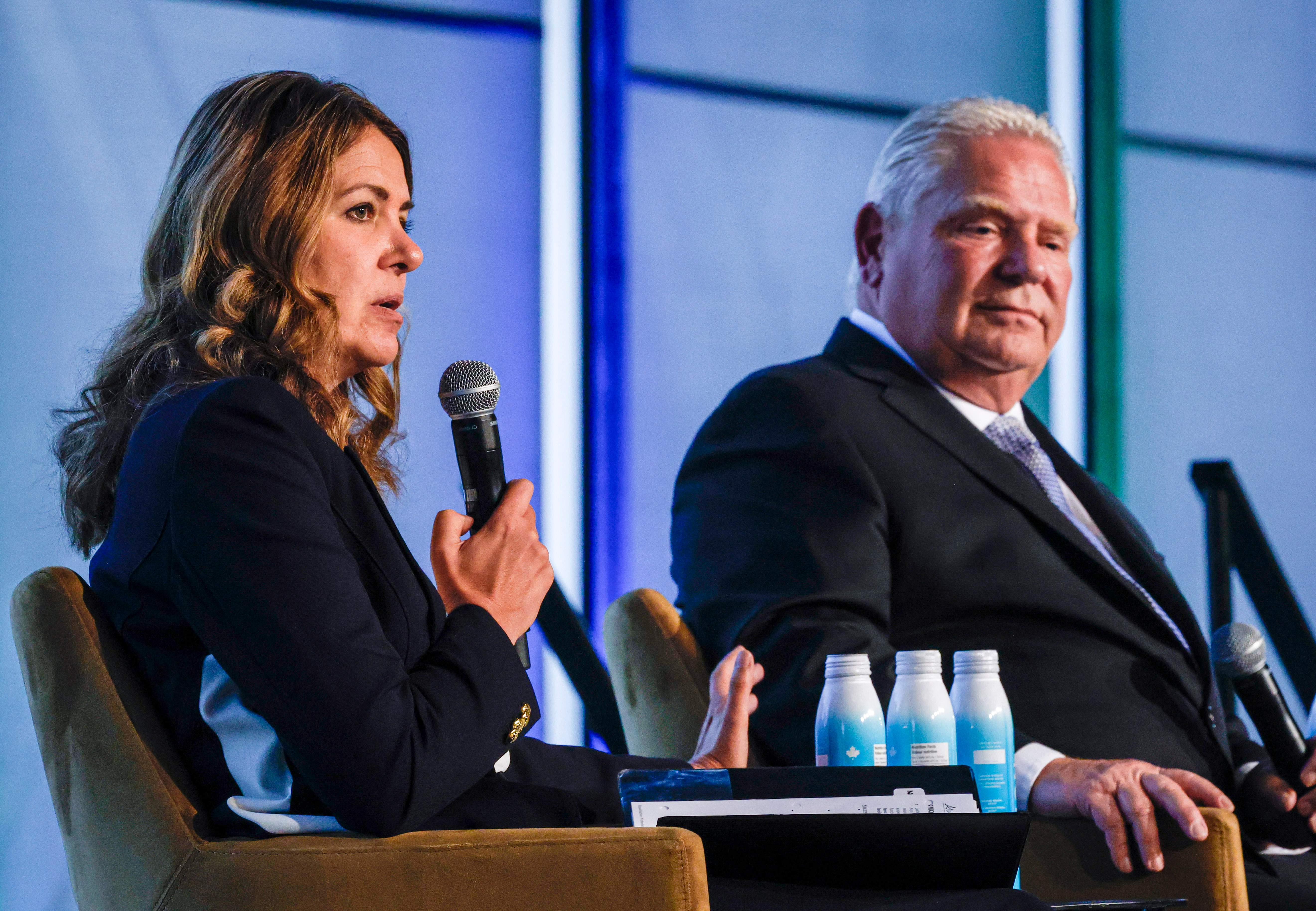
When Ontario Premier Doug Ford and Alberta Premier Danielle Smith sat down for a fireside chat at the Toronto Region Board of Trade in November 2026, both leaders admitted a frustrating truth. Despite months of signing agreements and talking tough on red tape, interprovincial trade remains deeply tangled. Ford didn't mince words, calling it "pretty sad" that trading internationally beats moving goods across domestic provincial lines.
If you run a small business, work in a regulated trade, or just pay grocery and utility bills in Canada, this gridlock costs you real money. Here's what's actually blocking free trade inside our own borders, why political handshakes haven't fixed it, and how businesses can navigate the mess right now.
The Real Cost of Canada's Internal Borders
Most Canadians assume free trade inside a single country is automatic. It isn't. Under Canada's constitution, provinces hold massive regulatory power over labor, alcohol, transportation, and local commerce. Over decades, each province built its own rulebook to protect local industries.
The bill for this patchwork is staggering. In January 2026, the International Monetary Fund published a major analysis estimating that non-geographic internal trade barriers act like a 9 percent national tariff on Canadian goods and services. In high-friction sectors like healthcare and education, those hidden costs shoot past the equivalent of a 40 percent tariff.
Wiping out those policy barriers could expand Canada's real GDP by nearly 7 percent over the long run—roughly $210 billion in economic output. Even earlier academic work from economists like Trevor Tombe pegged the annual drag between $92 billion and $161 billion, costing the average Canadian household thousands of dollars a year in higher prices and lost wages.
Yet knowing the numbers hasn't made the barriers disappear. Why?
Why Handshakes Don't Erase Provincial Red Tape
During their November 2026 Toronto forum, Ford and Smith exposed the gap between political announcements and actual legal reform. Signing a Memorandum of Understanding (MOU) makes for a great photo op. Rewriting decades of provincial law is a brutal slog.
Premier Smith explained the mechanics of the trap clearly. Two premiers can shake hands and agree to open free trade tomorrow, but underneath that handshake sit "mountains and mountains of legislation, regulation and agency directives" that each act as an individual wall. You can't delete them with a single stroke of a pen. Every single rule has to be hunted down, amended, or repealed by separate ministries and independent regulatory boards.
Even where provinces take aggressive action, reciprocity lags. Ford pointed out that Ontario passed legislation to strip away all of its internal trade exemptions, effectively telling other provinces that if their doctors, nurses, and skilled tradespeople meet local standards, they're welcome to work in Ontario immediately.
The catch? Other provinces haven't returned the favor at the same pace. Ford specifically called out Quebec for clinging to dozens of exemptions, while noting that some jurisdictions have even started quietly erecting new barriers while claiming to support open trade.
The Hidden Role of Arms-Length Regulators
Politicians love taking credit for deregulation, but they don't actually control the day-to-day gatekeepers. In Canada, self-regulating bodies—provincial colleges of physicians, nursing associations, engineering boards, and liquor control monopolies—enforce the rules on the ground.
I've watched companies spend six months assuming a new provincial trade pact cleared them to operate across borders, only to get stopped dead by a municipal inspector or a provincial licensing board using an outdated 2014 compliance manual. Until an agency updates its internal directive, a premier's speech means nothing at the loading dock or the licensing desk.
Three Flashpoints Holding Back Canadian Trade
When Ford and Smith laid out their frustration in Toronto, they zeroed in on three specific areas where internal friction hurts the most.
1. Labor Mobility for Doctors, Nurses, and Trades
Canada has a severe shortage of healthcare workers and skilled tradespeople, yet moving credentials from Calgary to Ottawa—or vice versa—still feels like immigrating to a foreign country.
Ontario and Alberta signed agreements aimed at speeding up credential recognition so regulated professionals can cross provincial lines without starting from scratch. In practice, uneven rules across the remaining provinces keep workers trapped in local markets. When a nurse in Halifax or an electrician in Montreal faces months of duplicate paperwork and recertification fees just to take a job in another province, productivity tanks across the entire country.
2. Alcohol and Direct-to-Consumer Sales
Nothing illustrates Canadian trade absurdity better than a bottle of wine or a six-pack of beer. Provincial liquor boards jealously guard their markups and distribution monopolies.
While Alberta and Ontario have worked to unlock direct-to-consumer alcohol shipping between their borders, national progress remains patchy. In late 2025, when federal and provincial leaders rolled out a broader agreement to drop barriers on manufactured goods, food and alcohol were conspicuously carved out of the deal. Small wineries and craft breweries still face a maze of provincial excise rules, labeling quirks, and monopoly gatekeepers just to ship directly to a customer two provinces away.
3. Energy Infrastructure and the Northern Shield Corridor
Trade barriers aren't just pieces of paper. Sometimes they're missing steel in the ground.
Both Ford and Smith used their Toronto appearance to push their flagship infrastructure bet—the Northern Shield Energy Corridor. Unveiled in July 2026, the proposed 3,300-kilometre pipeline is designed to carry 500,000 barrels of crude oil per day (with room to expand to 800,000) from Hardisty, Alberta, across Saskatchewan and Manitoba, straight to refineries in Sarnia, Ontario.
Right now, eastern Canadian refineries still rely heavily on pipelines that dip through the United States or on foreign oil imports. Building a strictly domestic east-west corridor would lock in Canadian energy security. Yet the project immediately ran into familiar interprovincial politics—Manitoba's government declined to join the initial partnership, and environmental, Indigenous consultation, and financing hurdles remain unresolved while feasibility studies wrap up.
Is the Critique Fair? The Other Side of the Debate
Before buying the narrative that provincial red tape is purely villainous, it helps to look at why these barriers survived for 150 years. Not every economist or provincial leader views deregulation the same way.
- Protecting smaller regional economies: Smaller provinces in Atlantic Canada and the Prairies worry that instant, unrestricted competition from massive Toronto or Calgary corporations will wipe out local mid-sized businesses and hollow out regional tax bases.
- Differing safety and environmental standards: Rules around trucking weights, winter tire mandates, building codes, and environmental assessments often exist because northern Ontario highways, Rocky Mountain passes, and coastal ports face genuinely different physical realities.
- Disputed economic projections: Some policy researchers, including analysts at the Canadian Centre for Policy Alternatives, argue that massive headline figures like $200 billion overstate what policy changes can actually deliver, pointing out that geography—vast distances between Canadian cities—accounts for much of the cost of moving goods east to west.
Both things can be true at once. Geography makes shipping across Canada expensive, and pointless regulatory duplication makes it worse.
How Canadian Businesses Can Cut Through the Gridlock Today
Waiting for all 13 provinces and territories to harmonize every law will put your business out of operation before the ink dries. If you're expanding across provincial borders in 2026 or 2027, take four concrete steps right now:
- Audit agency directives, not just trade headlines. Before entering a new province, check the specific regulatory board governing your industry—not the premier's press release. Confirm whether frontline inspectors have actually updated their compliance checklists.
- Use bilateral corridors first. Focus your expansion along provinces with active mutual-recognition agreements, such as the Ontario-Alberta and Ontario-Saskatchewan partnerships, where expedited pathways already exist for goods and regulated workers.
- Challenge unfair barriers through formal mechanisms. Under the Canadian Free Trade Agreement (CFTA), businesses can file formal complaints when a provincial rule discriminates against out-of-province suppliers. Industry associations often share legal costs to bring test cases forward.
- Build compliance buffers into your pricing. Treat interprovincial shipping and licensing like a cross-border export until the paperwork clears. Price a 5 to 10 percent regulatory delay buffer into your first year of out-of-province contracts so unexpected packaging, inspection, or licensing fees don't eat your margin alive.
Premiers Ford and Smith are right to call out the absurdity of Canada's internal borders, especially while U.S. tariff threats make domestic self-reliance urgent. Until provincial governments force their own agencies to rewrite the fine print, smart operators will treat crossing a provincial line with the exact same rigor as crossing an international one.