Power rarely announces itself with a roar. More often, it arrives in the quiet scuff of a leather shoe against marble floorboards, or the soft click of a heavy door sealing out the noise of the street.
For decades, the global game belonged to an abstract entity of passion, mud-stained jerseys, and rusted stadium turnstiles. Yet behind the pristine glass facades of modern headquarters, the architecture of that game has shifted. It moved from the public square into the private suite.
Then came the resignation.
When a senior advisor to Gianni Infantino steps away, the headlines usually flash for a moment before dissolving into the endless scroll of the internet. But this exit carried a different weight. It arrived amid mounting fury over a private investment plan designed to reshape the financial arteries of international soccer.
Consider what happens when the people who built the institution suddenly refuse to sign their names to the blueprint.
The Anatomy of a Secret
To understand the sudden departure, you have to look past the bureaucratic language of press statements and corporate exits. You have to imagine the boardrooms where quiet deals are struck over lukewarm coffee.
Football has always operated on a dual personality. On one side stands the fan in the third tier, shivering through a winter rainstorm, nursing a loyalty handed down by a grandfather who smelled of stale beer and liniment. On the other stands the sovereign wealth fund, the private equity firm, and the algorithmic financier calculating yield on human emotion.
The private investment plan at the center of this storm was supposed to modernize. That is the word they always use. Modernize. A clean, clinical term meant to evoke progress and efficiency.
But efficiency has a cost.
When outside capital enters a sporting ecosystem with the primary goal of financial return, the nature of the sport changes. The pitch shrinks. The matches multiply. The calendar swells until players collapse under the sheer weight of exhausted muscle and frayed tendons.
The advisor who walked away saw the ledger. They saw the projections where grassroots development funds were quietly sidelined to service equity returns. They watched as the soul of a global pastime was diced into financial instruments, traded away in private rooms where no fan ever gets a vote.
The Sound of Silence
Silence is a powerful tool in high-stakes governance. When internal dissent grows too loud to ignore, the friction usually ends in one of two ways. Either the dissenting voice is absorbed into the consensus, or it is pushed out into the cold.
This resignation was a rare third option. It was a rejection.
Imagine sitting across a mahogany table from executives who speak fluent corporate shorthand while millions of people outside are screaming their lungs out for a club that can barely afford its kit wash. The disconnect is not merely ideological. It is visceral.
The advisor chose the door.
That departure should send a shiver through anyone who believes sport belongs to the public trust. Because when the insiders begin to flee the machinery they helped construct, it means the machine is no longer serving its original purpose. It has become self-sustaining, feeding on the very passion that gave it life.
The Invisible Stakes
We talk about billions of dollars as if they are abstract numbers floating in the ether. They are not. Every dollar diverted into a private investment vehicle is a dollar pulled away from a community pitch with rusted crossbars and worn-out nets.
Football survives because of its grassroots. A child kicking a deflated ball against a concrete wall in Buenos Aires, Lagos, or Manchester does not dream of a private equity valuation. They dream of the net rippling. They dream of belonging.
When elite administrators trade control of the calendar and commercial rights to external financiers, they mortgage that child's future for short-term liquidity.
The outrage that preceded the advisor's resignation was not just about a contract or a committee vote. It was the sudden, sickening realization that the custodians of the game had turned into landlords, and the fans were now just tenants facing an eviction notice they never saw coming.
The Final Ledger
History is rarely kind to institutions that mistake growth for health.
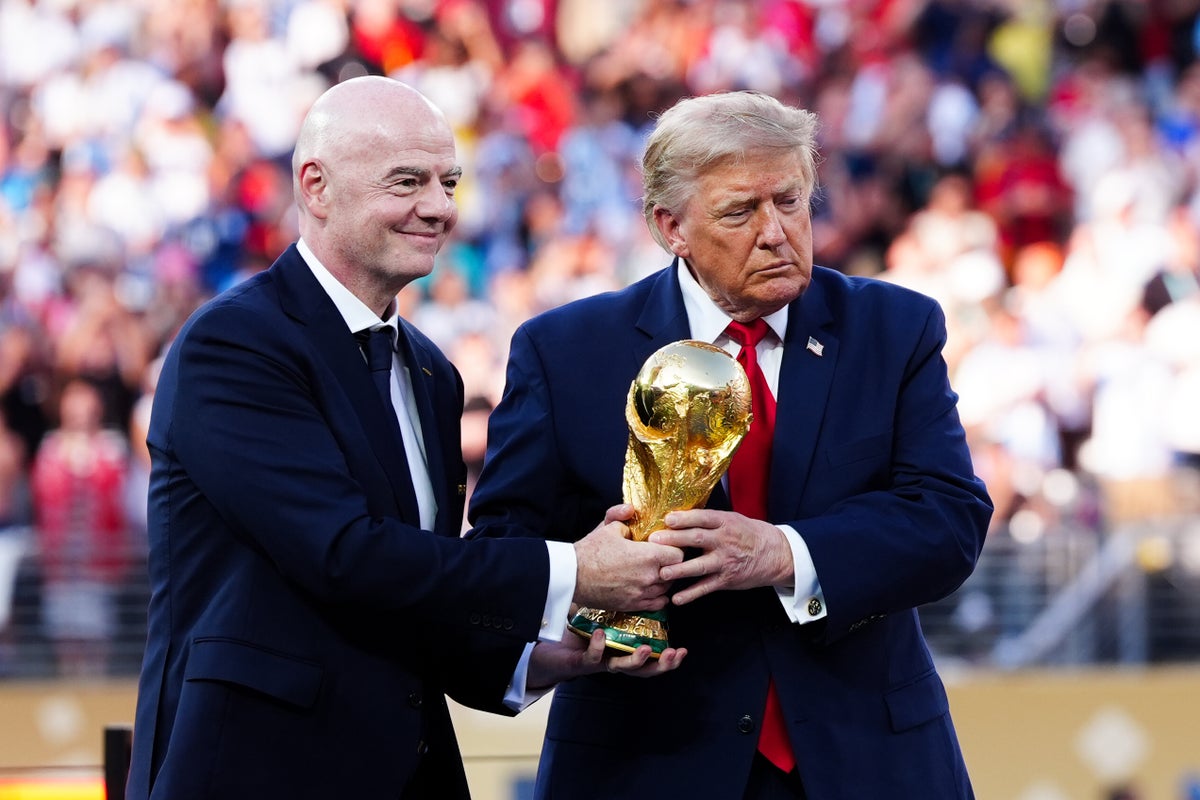
Gianni Infantino and his remaining inner circle now face a reckoning that cannot be smoothed over by a polished PR campaign or a glowing keynote speech at a summit. The departure of a senior advisor signals a fracture within the fortress. It proves that even among the architects of modern football finance, there are lines that some refuse to cross.
The door clicked shut behind the departing advisor.
Outside, the floodlights are still blazing over fifty thousand empty seats, waiting for the weekend to bring the roar back to life. But inside, the air has changed. The ledger is open, the ink is dry, and the game is watching to see who remains to turn off the lights.