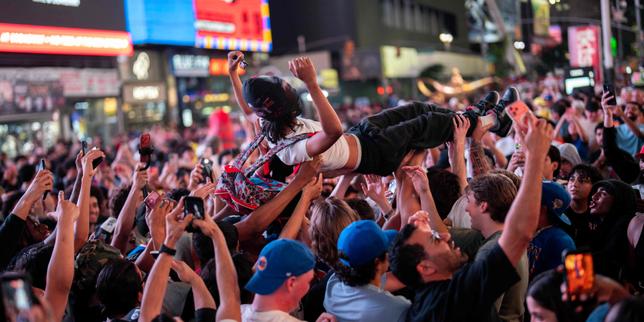
The condensation on the plastic cup is cold, but the air inside the stadium fan zone is thick with sweat, exhaust, and anticipation. Around you, forty thousand people are holding their breath. The striker takes two steps back. He runs. He shoots.
The net bulges. Discover more on a similar issue: this related article.
The world explodes into noise. Beer flies into the air, a golden mist catching the floodlights. It is a transcendent moment of pure, unadulterated human connection.
Then the ringing in your ears fades, you look down at your phone, and you see the banking alert. Your bank account just took a hit that feels less like a celebration and more like a mugging. Further journalism by Bleacher Report highlights related perspectives on this issue.
Sixteen dollars. For one pint. In a plastic cup.
How did we get here? How did the beautiful game, a sport born in the muddy fields of the working class, become an environment where a single drink requires a financial strategy?
To understand the sixteen-dollar stadium pint, you have to look past the neon signs of the beverage sponsors and peer into the brutal, invisible machinery of global sports logistics, shifting economic policies, and the psychological warfare of modern event hosting. The sticker shock isn't an accident. It is a carefully calculated feature of the modern tournament experience.
The Mirage of the Host City
Every few years, a different nation wins the right to host the world's biggest party. The bid books promise economic windfalls, civic rejuvenation, and a global spotlight. What they rarely mention is the crushing debt.
Consider a hypothetical stadium operator we will call Marcus. Marcus isn't a greedy tycoon twirling a mustache; he is a spreadsheet warrior managing a newly built, state-of-the-art arena that cost upward of a billion dollars to construct. The local government took out massive bonds to fund it. Now, the tournament is here, and the bill has come due.
Marcus is trapped in a vise. The international governing bodies take the lion's share of ticket sales and global broadcasting rights. The host city is often left with the crumbs: local transport costs, security expenses, and the structural upkeep of a massive venue.
To break even, Marcus has to squeeze every available cent from the physical space of the stadium itself. Every square inch of the concourse must generate revenue.
But Marcus cannot just charge whatever he wants for everything. Ticket prices are often capped or heavily regulated by the tournament organizers to maintain an illusion of accessibility. The merchandise prices are dictated by global apparel brands.
That leaves the concessions.
Beer is the ultimate captive-market commodity. You cannot bring your own drinks through the multi-layered security checkpoints. You are walking under a blazing sun or shouting yourself hoarse for ninety minutes. You are thirsty. Marcus knows this. The stadium knows this. They have a two-hour window to recoup millions in infrastructure investments.
The sixteen-dollar pint is not just paying for fermented barley and water. It is paying for the steel beams overhead, the high-speed transit line built specifically for the tournament, and the thousands of private security guards ensuring the perimeter is safe. You are drinking the stadium's debt.
The Iron Grip of Monopolies
If you walk down the street in almost any major city, competition keeps prices honest. If the pub on the corner charges too much, you walk fifty yards to the next one.
Inside the tournament perimeter, the laws of the free market cease to exist.
Global sporting events operate on exclusive sponsorship models. A single mega-brewery pays hundreds of millions of dollars for the exclusive right to pour liquid into cups within a five-mile radius of the venue. This creates a textbook monopoly, but with a logistical twist that drives costs even higher.
When a single brand owns the pouring rights, the supply chain becomes a massive, rigid pipe. They aren't buying from local distributors or supporting the regional economy. They are flying or trucking in proprietary kegs, specialized cooling equipment, and branded cups across continents.
The sheer logistical nightmare of moving millions of gallons of temperature-controlled liquid into a hyper-secured zone is staggering. Every truck must be swept for explosives. Every driver must be vetted. Every delivery must happen in the dead of night during strict, government-mandated windows.
The cost of this logistical ballet is astronomical. Because the sponsor paid a premium for exclusivity, they pass every single cent of those logistical hurdles directly down the line.
They know you cannot vote with your feet. If you want a cold drink while watching your country play, you buy their product at their price, or you drink lukewarm water from a bathroom sink.
The Science of the "Yes"
There is a deeper, quieter force at play here, one that lives inside our own brains. It is what behavioral economists call transaction decoupling, mixed with a heavy dose of emotional vulnerability.
Think about the last time you bought a drink at a local pub. You pulled out your wallet, handed over cash or scanned a card, and immediately felt the weight of the transaction. You were sober, clear-headed, and operating within your daily routine.
Now, look at the stadium environment.
You have crossed oceans or driven for hours. You are wearing a jersey that cost a hundred dollars. You are surrounded by friends, family, and thousands of strangers singing the same anthems. Your adrenaline is spiking.
In this state, your brain undergoes a profound shift. You are no longer in "saving mode"; you are in "experience mode."
Psychologically, we justify the expense as part of a once-in-a-lifetime memory. The brain tells a comforting lie: It doesn't matter what it costs, because I am only here once.
The stadium designers know this. They actively design the purchasing experience to minimize what psychologists call the "pain of paying."
Notice how rarely you see physical cash anymore. Everything is tap-to-pay, digital wallets, or pre-loaded tournament bands. You don't see the money leave your hand. You just wave a piece of plastic or a smartphone over a glowing sensor. A green light flashes. A cup is handed to you.
The realization of how much you actually spent doesn't hit until the next morning, when the adrenaline has cleared, the hangover has set in, and you check your banking app in the quiet light of a hotel room.
The Changing Crowd
This economic reality is quietly changing the very nature of who gets to sit in those seats.
For generations, football, soccer, and rugby were the sports of the masses. The weekend match was a ritual for the factory worker, the schoolteacher, the local shopkeeper. The stands were a melting pot of the community.
But when a day out at a match—factoring in tickets, travel, a pie, and two drinks—begins to cost equivalent to a week's groceries, a sorting mechanism takes effect.
The working-class fan is slowly, systematically priced out, replaced by corporate hospitality guests, affluent tourists, and those willing to take on personal debt for a moment of fleeting joy. The atmosphere changes. The roar of the crowd becomes a little more polite, a little less raw.
The sixteen-dollar pint is a symptom of a larger transformation. It is the moment the beautiful game fully transitioned from a cultural asset into a luxury entertainment product.
You stand in the concourse, watching the digital screen count down the minutes until the second half begins. The line at the concession stand snakes around the concrete pillar, fifty people deep, each holding a phone, ready to tap, ready to pay the premium.
You look at the plastic cup in your hand. The foam is dissolving. You take a sip. It tastes exactly like the beer you buy at the grocery store down the street for a fraction of the cost.
But you turn back toward the tunnel anyway, drawn by the sudden, collective gasp of forty thousand people as the players walk back onto the pitch. You step into the light, leaving the financial reality behind, ready to scream until your throat is raw, fully aware that the system has caught you, and fully aware that you will pay it again before the final whistle blows.