The frost on the kitchen window does not care about fiscal policy. It creeps inward in delicate, icy ferns, tracing the edges of single-pane glass while the kettle whispers on the hob. Downstairs, in millions of homes across Britain, the morning ritual begins with a glance at a glowing digital screen that dictates whether the heating stays on for another hour, or whether the thick wool jumper comes out of the drawer for yet another day.
Numbers. We treat them as cold, static things. We look at them in columns of black and red, assuming they exist in a vacuum, divorced from the messy, breathing reality of human skin and bone.
Eight billion six hundred million pounds.
Say it out loud. It sounds like an abstraction. It sounds like a row of zeros inked onto a parliamentary ledger by someone who has never worried about the price of a loaf of bread, let alone a cylinder of gas or an electricity bill that arrives like a winter storm warning. But numbers are stories. Every billion is a hospital ward unbuilt, a retraining program canceled, a wind turbine left unanchored in the churning grey of the North Sea, a community left to weather the elements with frayed safety nets. Every billion is a choice about who pays and who profits when the world convulses.
To understand why that eight point six billion figure matters so profoundly, why it hangs over the British economy like a gathering November fog, we have to look backward before we look forward.
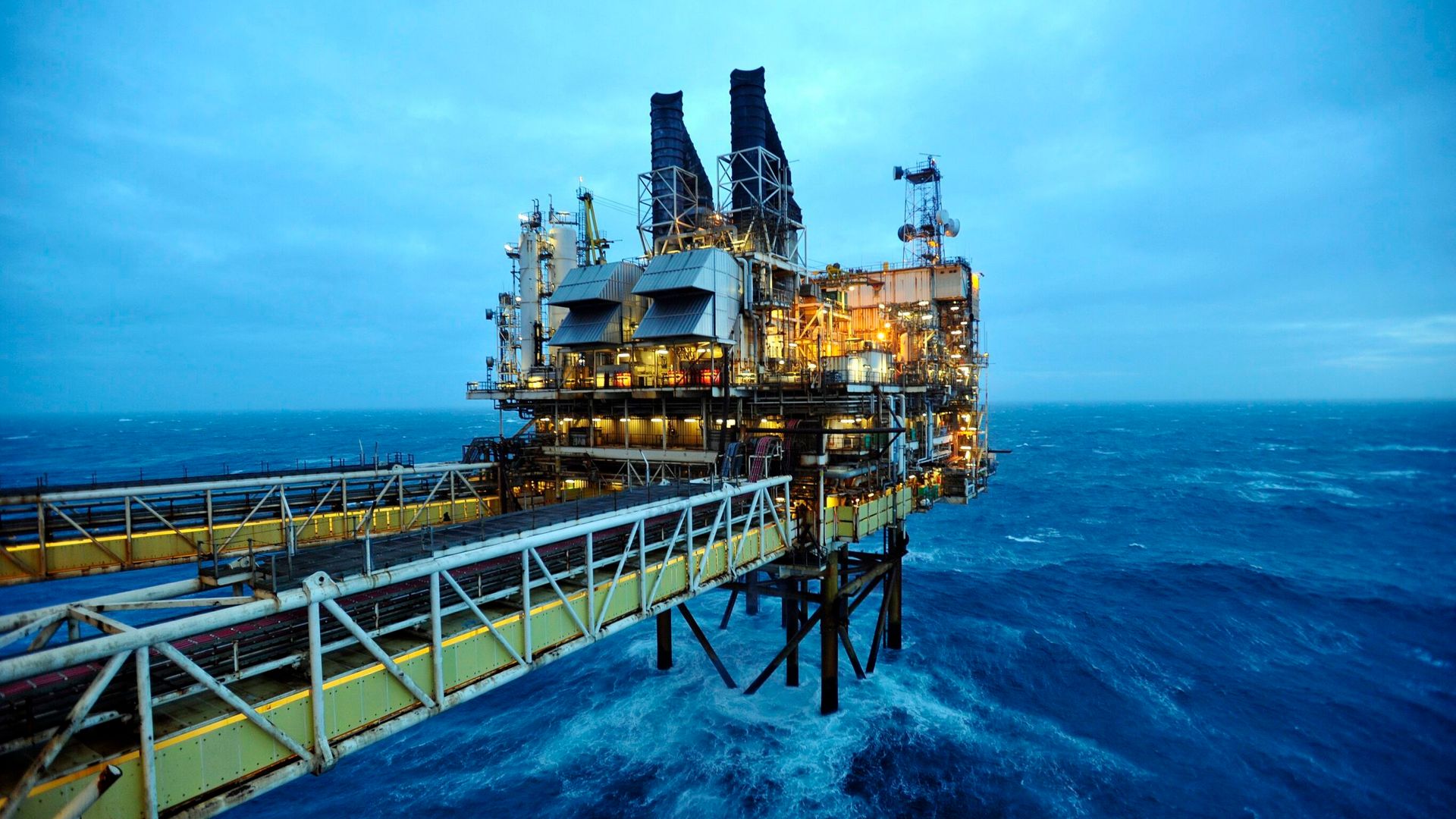
Picture a rig fifty miles off the coast of Aberdeen. Steel legs buried deep in the seabed, battered by forty-foot swells, roaring with the deafening hum of gas extraction. When global energy prices convulsed following sudden geopolitical shocks and supply chain fractures, those rigs became printing presses. While households huddled under extra blankets, bracing for utility bills that looked like mortgage payments, energy corporations watched their bank accounts swell with profits so obscene they embarrassed even the executives counting them. It was a statistical anomaly born of human misery and global chaos.
Enter the windfall tax.
In political terms, it was an emergency brake. A recognition of a simple, enduring moral truth: when an entire nation is squeezed by a crisis of global supply and soaring costs, windfalls born of catastrophe belong, in part, to the public treasury that anchors the society. It was supposed to capture those excess gains and channel them back into the veins of a strained economy, cushioning the blow for those least equipped to absorb it.
Then came the lobbying.
Whispers in Whitehall corridors. Warnings of capital flight. The familiar, well-worn threat that if you tax extraordinary profits, capital packs its bags and leaves for friendlier shores, abandoning domestic energy security. Executives in tailored suits warned that early dismantling of the Energy Profits Levy was essential to keep investment flowing into domestic fields. They spoke of certainty, of security, of the delicate psychology of international investors who frighten easily at the shadow of state intervention.
They did not speak of the families turning off their refrigerators to afford dinner.
Scrapping the windfall tax early—before 2030, before the transition away from fossil fuels has achieved any semblance of stability or self-sufficiency—carries a staggering hidden price tag. That is where the £8.6bn figure stops being a statistic and starts becoming a national wound.
Money does not simply vanish into thin air. It moves.
When you strip away a levy designed to capture exceptional profits during a crisis, you shift the burden. You take the weight off the balance sheets of multinational conglomerates and place it squarely back onto the shoulders of ordinary taxpayers, public services, and future generations who will inherit an underfunded transition to green energy. The vacuum left by that missing revenue must be filled.
Consider what happens next in the quiet chambers where budgets are pruned.
Without that revenue, the state faces an impossible arithmetic. It must either borrow more, adding to the mountainous national debt; cut deeper into public budgets that are already bruised from years of austerity; or abandon its climate targets altogether, kicking the environmental can down the road until the road runs out. None of these options are cost-free. They are paid for in deferred maintenance on crumbling infrastructure, in understaffed clinics where waiting lists stretch toward the horizon, in the slow, grinding erosion of public trust in institutions that seem perpetually designed to protect the fortunate while squeezing everyone else.
We have lived through this movie before. We know the ending by heart.
Short-term appeasement always demands a long-term sacrifice. The promise that corporate savings will automatically trickle down into job creation, lower bills, and public good is a ghost story told by people who profit from belief. History suggests a different pattern entirely. Untethered profits flow upward, pooling in executive bonuses and share buybacks, while the social fabric frays at the edges. When the rainy day arrives, the reserves are empty because they were distributed to shareholders when the sun was shining too brightly on the North Sea.
The debate over the windfall tax is often framed as a technical dispute between accountants and economists, conducted in dry jargon that puts rooms to sleep. It is not. It is a deeply moral argument about who bears the cost of living in a fragile world. When policymakers talk about removing the levy early to appease the market, they are making a quiet bet that the public has a short memory. They are betting that we will forget where the money came from, who needed it most, and what was left behind when the ledgers were balanced in favor of the few.
To walk through a modern British town on a damp Tuesday evening is to see the physical manifestation of these choices. You see it in the community centers operating on shoestring budgets, trying to serve as warm spaces for elderly residents who cannot afford their gas meters. You see it in the potholed streets, the delayed trains, the strained local clinics. These are not accidents of nature. They are the downstream effects of a system that treats public wealth as private subsidy.
When an economy prioritizes the immediate comfort of capital over the long-term resilience of its citizens, it is eating its own seed corn. It is celebrating a full belly today while ensuring an empty barn tomorrow.
The kettle stops whistling. The kitchen warms, slowly, drawing power from a grid paid for by the collective effort of millions over generations. Outside, the North Sea continues its endless churn against the steel pillars of the rigs, indifferent to politics, indifferent to profit, indifferent to the massive debts we are accumulating in the dark.
We ignore the balance sheet at our peril. But we ignore the human cost at our absolute destruction. The ledger can always be rewritten, but a fractured society is infinitely harder to mend once the frost sets in for good.