United States Central Command confirmed yesterday that American forces have officially terminated the maritime blockade of Iranian ports and coastal regions. The order, coming directly from the White House, ends a grueling two-month naval chokehold that began on April 13. Merchant ships are once again moving toward Bandar Abbas, and early transponder data shows crude oil flowing out through the Strait of Hormuz at rates not seen since February. While the sudden de-escalation has triggered a brief drop in global crude prices, the reality on the water is far from settled. This is not a simple return to status quo shipping; it is a high-stakes, sixty-day gamble that leaves the world's most critical energy corridor in a dangerous strategic limbo.
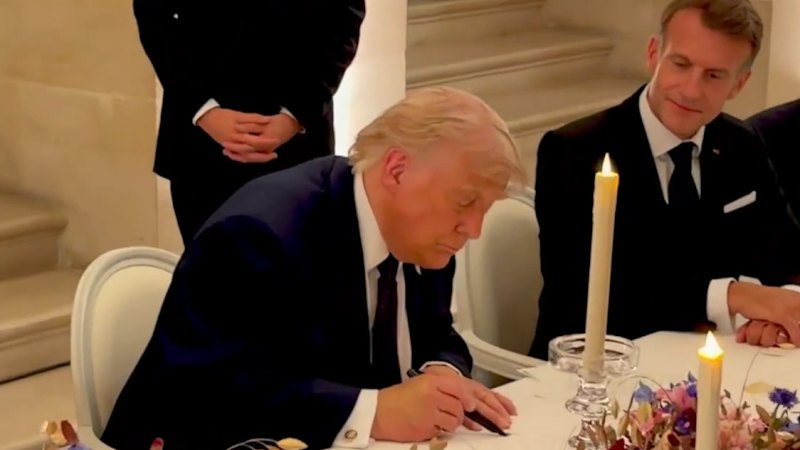
The lifting of the blockade is part of an interim Memorandum of Understanding signed by the American and Iranian presidents following intense diplomatic maneuvering in France. The deal establishes a narrow sixty-day window to negotiate a comprehensive resolution to a conflict that saw the assassination of Supreme Leader Ali Khamenei, devastating initial airstrikes, and the near-total shutdown of a channel responsible for twenty percent of global petroleum supply. Under the terms, Washington has granted a temporary waiver for Iranian oil exports and ceased active interdictions. In exchange, Tehran has opened the strait toll-free and agreed to an on-site, overseen dilution of its enriched uranium stockpile.
The Unseen Mechanics of the Naval Pullback
Enforcing the blockade required an immense commitment of American naval and aerial assets. For over sixty days, more than ten thousand personnel, backed by an advanced carrier strike group and dozens of long-range maritime patrol aircraft, monitored every square mile of the Persian Gulf and the Gulf of Oman. Under the tactical command of Admiral Brad Cooper, the operation was absolute. CENTCOM reported eighty-five formal vessel interceptions and three high-profile seizures, including the nine-hundred-foot cargo ship Touska.
Financially, the pressure on Tehran was staggering. White House estimates suggested the operation denied Iran up to five hundred million dollars daily in unspent oil revenues, bleeding the regime's liquidity at a time when internal stability was already fractured. Yet, the tactical victory hid a growing structural problem. Forcing an absolute blockade across thousands of miles of coastline strained naval rotation schedules and forced heavy reliance on satellite tracking to catch stateless smuggling tankers like the MT Tifani in the open Indian Ocean.
The abrupt end to these operations has created an immediate vacuum. While American warships are instructed to remain in international waters to monitor compliance, they have ceased all boarding and diversion activities. For an international merchant fleet that spent weeks routing around the region or idling in safe harbors, the sudden policy shift is generating tactical whiplash rather than confidence.
Why Shipowners Refuse to Celebrate
The immediate priority for global shipping councils is the evacuation of dozens of commercial vessels and hundreds of seafarers stranded in the Gulf since hostilities broke out on February 28. But shipping companies are discovering that lifting a military blockade is significantly easier than restoring commercial trust.
The Joint Maritime Information Centre recently downgraded the regional threat level from substantial to moderate, a designation meaning an attack is possible but not likely. That corporate phrasing does little to comfort captains on the water. The waters of the strait are heavily contaminated with both anchored and floating naval mines deployed during the height of the spring fighting. Mine-clearing operations take months, not days. Furthermore, the interim agreement provides zero details on vessel sequencing, traffic separation schemes, or emergency response protocols if a merchant hull strikes an explosive device.
Insurance markets have responded with predictable coldness. Lloyd's underwriters are keeping war-risk premiums near historic highs for the Persian Gulf, noting that a political handshake in Europe does not instantly remove physical hazards from the water. For an average supertanker, the cost of transit insurance remains a massive operational barrier, rendering the newly opened lanes economically unviable for smaller, independent operators who cannot absorb the liability.
The Massive Gaps in the Interim Deal
The political compromise that enabled this maritime opening contains omissions that veteran defense analysts find deeply troubling. The fourteen-point memorandum focuses heavily on maritime access and the immediate containment of Iran's nuclear material, specifically targeting an enriched uranium stockpile that has grown beyond nine thousand kilograms. It mandates the on-site dilution of near-weapons-grade material under international supervision.
However, the document makes absolutely no mention of Iran's extensive ballistic missile infrastructure or its network of regional proxy forces. White House briefings defended this choice by stating that total disarmament was an unrealistic prerequisite for a temporary ceasefire, arguing that regional powers must retain basic self-defense capabilities.
This omission ignores the reality of modern asymmetric naval warfare. The primary threat to commercial shipping over the last four months did not come from traditional Iranian naval vessels, which were easily tracked by American cruisers. The disruption was driven by mobile, shore-based anti-ship cruise missiles and low-cost explosive drones operated from hidden positions along the rugged cliffs of the Iranian coastline. By leaving these systems completely intact and unmonitored during the sixty-day negotiation period, the agreement leaves the physical trigger for a secondary crisis entirely in Tehran's hands.
The Geopolitical Stakes of the Sixty-Day Clock
The diplomatic architecture supporting the naval pullback is remarkably fragile. Technical negotiations are scheduled to begin in Switzerland, led on the American side by Vice President J.D. Vance. The logistics are complex, and Western diplomats are already encountering friction regarding the travel schedules and structural isolation of the remaining Iranian leadership cadre.
The ultimate goal of the talks is an elusive comprehensive settlement that would exchange permanent Western sanctions relief for verifiable nuclear containment and a proposed three-hundred-billion-dollar regional reconstruction fund. This fund, intended to be financed primarily by wealthy Gulf Arab states rather than direct American tax dollars, is designed to rebuild Iran's shattered domestic infrastructure in exchange for long-term regional stability.
The risk of collapse is present at every level of this framework. If the technical teams in Switzerland reach an impasse over verification protocols or the unfreezing of overseas capital assets, the temporary waivers will expire automatically at the end of the sixty days. If that occurs, the American naval presence is positioned to snap the blockade back into place within hours.
For the global economy, a secondary shutdown would be far more damaging than the first. International supply chains have spent the last two months exhausting existing stockpiles and rerouting trade flows around the Cape of Good Hope. A sudden, renewed closure of the Strait of Hormuz in August would catch energy markets with depleted inventories and zero institutional patience for diplomatic failure. The ships are moving again, but the underlying geography of the conflict remains entirely unchanged, waiting for a single miscalculation to set the corridor on fire once more.


